10 Parts of a Powerstroke Engine Most Likely To Fail
Estimated 0 min read
The Powerstroke is a legendary engine known for its durability and performance, but it’s not immune to issues. Whether you’re a seasoned diesel engine owner or are new to the world of trucks, you should be familiar with 10 parts of a Powerstroke engine that are most likely to fail. Addressing problems can save you time, money, and frustration while ensuring your engine delivers the best performance.
Overview of the 7.3L Powerstroke Engine
The 7.3L Powerstroke diesel engine, produced by Navistar International Ford between 1994 and 2003, is exceptionally reliable. It can handle heavy loads and deliver impressive torque, so this engine has a dedicated following in the automotive world. However, its reputation doesn’t make it invincible. Certain components are more likely than others to fail over time, especially under heavy use or with poor maintenance.
High-Pressure Oil Pump (HPOP) Failures
One of the most common areas of concern with the Powerstroke is the high-pressure oil pump (HPOP). It creates the necessary hydraulic pressure to operate the injectors. Over time, the seals and fittings of the HPOP can wear out, leading to oil leaks or pressure loss. Hard starts, engine misfires, or a sudden loss of power indicate issues with the HPOP. Regular checks and maintenance of this system can prevent damage.
Injector Issues
The fuel injectors in the 7.3L Powerstroke are prone to wear, particularly when you fill up with low-quality diesel fuel or when there’s water contamination. Injectors typically fail due to carbon buildup or wear on internal components, which affects the combustion process.
Symptoms of failing injectors include rough idling, white smoke from the exhaust, or poor fuel economy. Routine fuel filter replacements and the use of high-quality fuel additives can prevent this.
Weakness in the Exhaust Back Pressure Valve (EBPV)
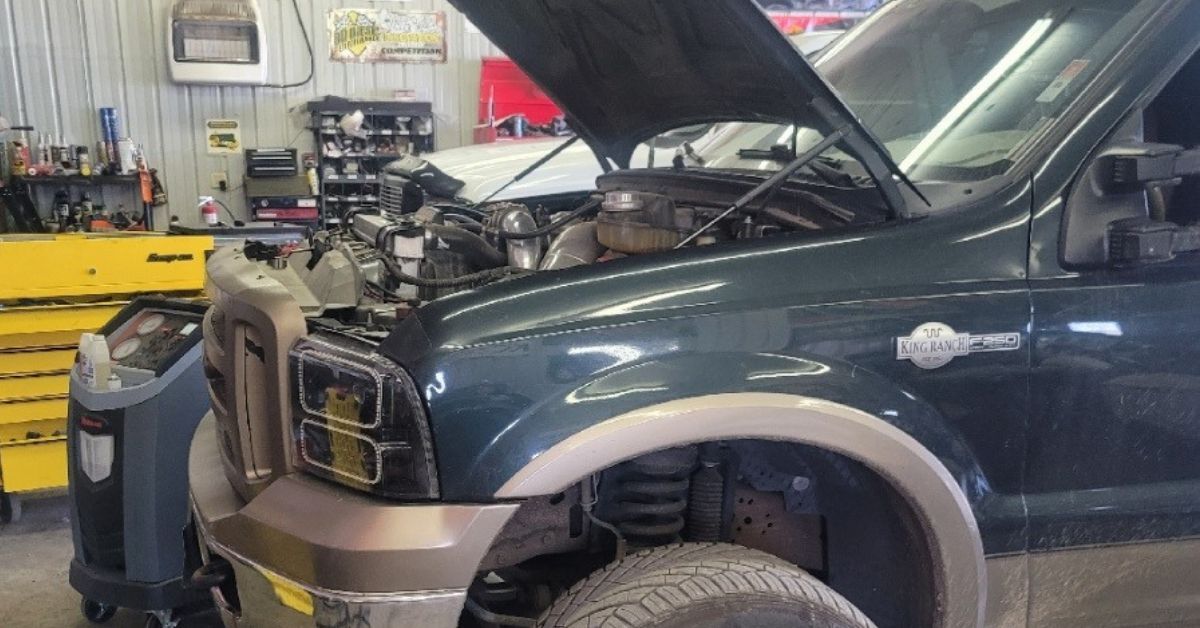
The exhaust back pressure valve warms the engine during cold starts. However, it may malfunction over time due to dirt buildup or wear, causing performance difficulties. A stuck valve can restrict exhaust flow, leading to a noticeable decrease in engine power and efficiency. Keeping the EBPV clean and lubricating components during routine maintenance can extend its lifespan.
Turbocharger Failures
Although the turbocharger is durable, it’s not immune to wear and tear. Excessive heat and stress can lead to bearing failures or damage to the compressor. A worn turbo may result in increased exhaust smoke, reduced boost pressure, or a noticeable drop in engine power. Regularly inspecting your turbocharger for proper operation and cleaning the intake system can prevent issues.
Camshaft Position Sensor (CMP) Problems
A failing camshaft position sensor is another notorious issue for vehicle owners with Powerstroke engines. This small but essential component monitors the camshaft’s position and communicates with the engine control module. A faulty CMP can cause intermittent stalling, hard starts, or failure to start at all. Fortunately, replacing the sensor is relatively inexpensive and straightforward, making it a quick fix when caught early.
Glow Plug System Failures
The glow plug system plays a crucial role in starting a diesel engine, particularly in cold weather. Faulty glow plugs or issues with the glow plug relay can lead to hard starts, extended cranking times, or no-start situations. Testing the glow plugs regularly and replacing faulty ones ensures that the engine fires effortlessly, regardless of the temperature.
Fuel Pump and Fuel Filter Issues
The fuel delivery system of the Powerstroke features a mechanical fuel pump and filters, both of which can experience wear or contamination over time. A clogged fuel filter restricts fuel flow to the engine, resulting in rough operation and reduced power. Regular filter replacements and periodic inspection of the fuel pump maintain optimal engine performance.
Overheating Problems
The Powerstroke can withstand heavy use, but it’s susceptible to overheating under extreme stress or with inadequate maintenance. Common causes include a failing water pump, thermostat issues, or a clogged radiator. An overheating engine can cause severe damage, including warped cylinder heads and deteriorated gaskets. Regularly flushing the cooling system, cleaning the radiator, and checking the water pump’s condition are little things you can do for great peace of mind.

Oil Leaks From the Rear Main Seal
Oil leaks are a common frustration for vehicle owners with Powerstrokes, and the rear main seal is a frequent source of the issue. Over time, this seal can degrade, especially if exposed to high heat and heavy workloads. While minor leaks may not seem like a big deal initially, they can lead to a loss of oil pressure and increased engine wear. Promptly addressing oil leaks supports good engine health and prevents more problems down the road.
Electrical System Challenges
Many components of the Powerstroke, including sensors, relays, and wiring, are integral to its electrical system. Age and exposure to the elements can lead to corroded connections or short circuits. Symptoms such as erratic engine behavior, dashboard warning lights, or complete system failures may indicate electrical issues. Periodic inspection and cleaning of electrical connections go a long way in preserving system integrity.
Keeping Your 7.3L Powerstroke Running Strong
Despite these common failure points, the 7.3L Powerstroke remains one of the most reliable diesel engines on the market. Preventive maintenance is the key to preserving the performance and longevity of your engine. Regular oil and filter changes, thorough cooling system maintenance, and fuel system flushing can keep the engine running smoothly.
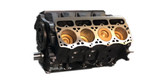
The 7.3 Powerstroke diesel crate engine is a testament to engineering excellence. Your truck will continue to deliver the power and reliability you depend on when you take care of things under the hood.
Final Thoughts
Owning and maintaining a 7.3L Powerstroke comes with its challenges, but the rewards far outweigh the effort. By understanding the parts of a Powerstroke engine most likely to fail, you’ll be better equipped to spot and address issues before they escalate. Treat the engine well, and it will repay you with years of faithful service.
If you’re experiencing issues or want to learn more about how to optimize your engine performance, don’t hesitate to reach out to a trusted professional. Take a proactive approach to maintenance, and enjoy the confidence that comes with driving a well-cared-for diesel legend.