4 Common 6.0L Powerstroke Engine Problems
Estimated 0 min read
The 6.0L Powerstroke engine, produced by Navistar International for Ford from 2003 to 2007, quickly became a popular choice for truck enthusiasts who demanded serious power and towing capability. Despite its robust performance, the engine developed a reputation for several recurring issues. For owners and prospective buyers, understanding these common problems is the first step toward a reliable and long-lasting experience.
This guide will walk you through the most frequent issues that plague the 6.0L Powerstroke. We’ll explore the causes and symptoms of each problem and discuss practical solutions to get your truck running smoothly. Being proactive can save you from costly repairs down the road, and knowing what to watch for helps you maintain the engine’s legendary power. Let’s dive into what makes this engine tick and what to do when it doesn’t.

Common Problems With the 6.0L Powerstroke Engine
While the 6.0L Powerstroke is a powerful engine, certain components are known to be more prone to failure than others. Addressing these weak points is key to unlocking the engine’s full potential and reliability.
EGR Cooler Failure
The Exhaust Gas Recirculation (EGR) system can reduce emissions by rerouting some exhaust gas back into the intake. The EGR cooler’s job is to lower the temperature of this gas before it mixes with the intake air. However, the stock cooler on the 6.0 Powerstroke motor is a well-known point of failure.
The cooler can become clogged with soot and carbon buildup over time, or it can rupture internally due to thermal stress. Symptoms of a failing EGR cooler often include white smoke or steam from the exhaust, a noticeable loss of coolant without any visible external leaks, and sometimes overheating.
If the cooler cracks, coolant can leak into the exhaust system, which is what produces the white smoke. To fix this, you can replace the faulty cooler with an aftermarket, more durable model designed to withstand higher temperatures and resist clogging.
Oil Cooler Failure
Another critical component that can cause significant trouble is the oil cooler. Its function is to regulate the engine oil temperature by using the engine’s coolant. The problem arises when the small passages within the cooler get blocked by contaminants in the coolant or by solidified oil sludge.
When the oil cooler clogs, coolant flow becomes restricted, leading to a dangerous increase in engine oil temperature. This problem can also cause a temperature difference between the oil and the coolant, placing additional strain on other engine components.
Symptoms include a noticeable drop in engine performance, higher-than-normal oil temperatures on your gauge, and signs of oil mixing with your coolant, creating a milky substance in the coolant reservoir. The most effective solution is to replace the clogged oil cooler with a new one and perform a thorough flush of the cooling system to remove any debris that caused the blockage in the first place.
Injector Issues
The fuel injectors on the 6.0L Powerstroke are hydraulically actuated by high-pressure oil, a system known as HEUI (Hydraulically-Actuated Electronically-Controlled Unit Injection). These injectors are susceptible to a condition called “stiction,” where the internal moving parts become sticky due to degraded or dirty oil.
Stiction can cause a range of performance problems, including rough idling, hard starting, hesitation during acceleration, and a general loss of power. You might also notice an increase in smoke from the exhaust. The primary cause is often poor oil quality or failing to stick to regular oil change intervals.
To address this, using a high-quality oil additive designed to clean the injectors can sometimes resolve minor stiction issues. However, if the problem is severe, the affected injectors will need to be replaced. Regular oil changes with the correct type of oil are the best preventative measure.
Head Gasket Failure
Perhaps the most notorious issue with the 6.0L Powerstroke is head gasket failure. The head gaskets create a seal between the cylinder heads and the engine block. The original design used only four head bolts per cylinder, which proved a weak point under the engine’s high combustion pressures.
When a head gasket fails, coolant can leak into the cylinders, or combustion gases can be forced into the cooling system. This force often results in coolant loss, engine overheating, and white smoke from the tailpipe.
A key symptom is pressurization of the coolant reservoir, which may push coolant out of the overflow. The definitive fix for this issue is to replace the factory head bolts with stronger aftermarket head studs. Head studs provide superior clamping force, preventing the cylinder heads from lifting and blowing the gaskets. This problem is a significant repair, but it permanently addresses one of the engine’s main design flaws.
Maintenance and Prevention Tips
Staying on top of regular maintenance is the best way to prevent these common problems from occurring. Simple tasks like changing your oil and filters on schedule, using high-quality fluids, can make a world of difference. It’s also wise to closely monitor your engine’s performance. Installing gauges to monitor oil, coolant, and exhaust gas temperatures can give you an early warning of developing issues. Using high-quality replacement parts for any repairs will also contribute to the engine’s longevity.

Get a Fresh Start With Blessed Performance
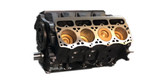
For those facing major engine failure or simply wanting to start fresh with a fully reliable motor, a crate engine from Blessed Performance is an excellent solution. Experienced technicians meticulously assemble the fresh crate engines using high-grade parts and materials. We test each engine to meet the demands of both daily driving and more rigorous applications.
Opting for a Blessed Performance crate engine means you’re investing in quality and endurance. You get a direct-fit engine built to last, often with the common failure points already addressed with upgraded components. We stand behind our products with exceptional customer service and technical support, guiding you from selection to installation. A fresh engine eliminates the guesswork and provides peace of mind that a dependable and robust motor powers your truck.
Your Path to a Reliable 6.0L Powerstroke
By understanding the common failure points of a 6.0L Powerstroke engine, you can take proactive steps to prevent costly breakdowns. Regular maintenance and the use of quality parts are essential. If you’re looking for the ultimate solution, a fresh crate engine offers a clean slate built for peak performance. For expert advice, reliable parts, or a top-tier crate engine, contact Blessed Performance today.