A Complete Guide to Selecting a Powerstroke Intake Manifold
Estimated 0 min read
The intake manifold plays a crucial role in your Powerstroke engine’s performance, serving as the gateway that controls air distribution to each cylinder. This component directly impacts your engine’s power output, fuel efficiency, and overall reliability. Making the right choice when selecting an intake manifold can transform your driving experience, while the wrong decision might leave you with underwhelming results or compatibility issues.
Ford’s Powerstroke engines have earned their reputation for durability and power, but they also present unique considerations when upgrading components. The intake manifold sits at the heart of your engine’s breathing system, making it one of the most influential modifications you can perform. Understanding the different options available and how they align with your specific goals will help you make a decision that delivers the performance gains you’re seeking.
What Makes a Powerstroke Intake Manifold Different
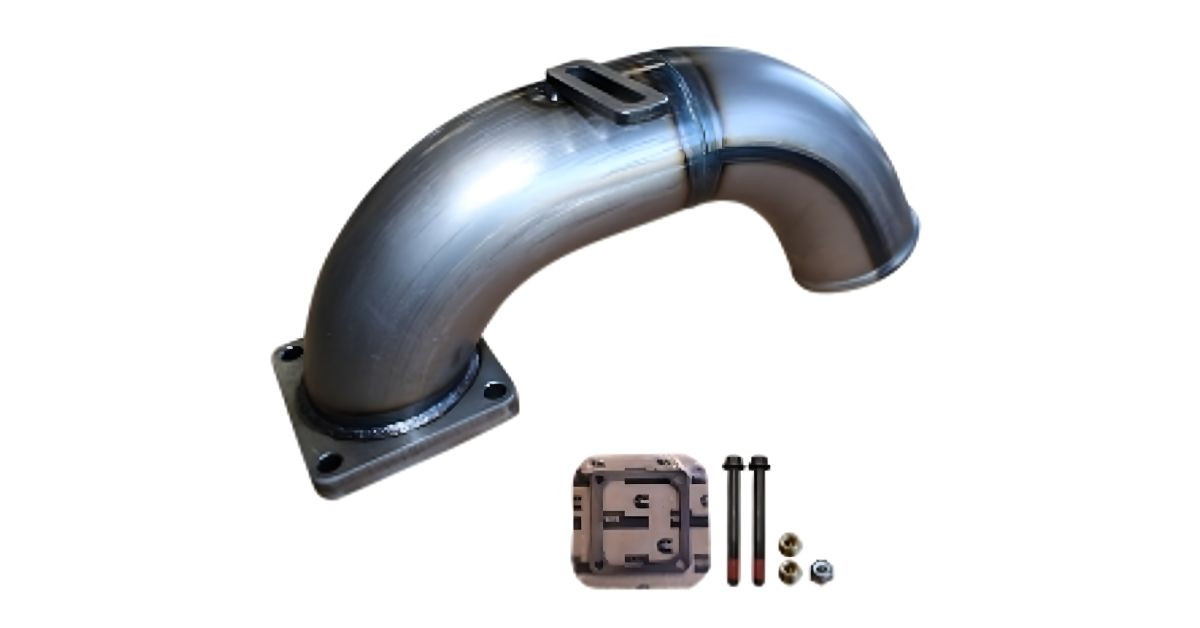
A Powerstroke intake manifold serves as a distribution hub, channeling air from your turbocharger to the individual cylinders. Unlike gasoline engines, diesel engines like the Powerstroke rely on precise air management to optimize combustion efficiency and power delivery. The manifold’s design affects airflow patterns, pressure distribution, and ultimately how well your engine breathes under various operating conditions.
The component consists of several key elements: the plenum chamber that stores pressurized air, individual runners that direct air to each cylinder, and various ports for sensors and accessories. Modern Powerstroke intake manifolds also incorporate sophisticated engineering features like variable geometry runners or integrated intercooler connections, depending on the specific design and application.
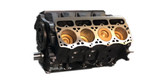
Different Powerstroke generations feature distinct manifold configurations. The 6.0L Powerstroke, for example, uses a plastic composite manifold from the factory, while newer generations might employ aluminum or other materials. Each design reflects Ford’s engineering priorities at the time, balancing cost, weight, performance, and manufacturing considerations.
Key Factors That Influence Your Selection
Your performance goals should drive your intake manifold selection process.
Fuel Economy and Smooth Operation
Daily drivers who prioritize fuel economy and smooth operation have different requirements than enthusiasts building high-horsepower race engines. Consider whether you want modest improvements in throttle response and efficiency, or aggressive modifications that demand maximum airflow capacity.
Budget
Budget considerations extend beyond the initial purchase price. Factor in installation costs, potential tuning requirements, and any supporting modifications that might become necessary. Some aftermarket manifolds require custom tuning to optimize performance, while others work well with existing engine management systems. Professional installation may be necessary for complex designs, increasing your total investment.
Current Modifications
Your engine’s current modification level significantly impacts manifold selection. Stock engines with basic modifications can benefit from most aftermarket options, but heavily modified engines with larger turbos, aggressive tuning, or nitrous systems need manifolds designed for extreme applications. The manifold must complement your other modifications rather than creating bottlenecks or compatibility issues.
Climate and Operating Conditions
Climate and operating conditions also influence your decision. Engines operating in extreme temperatures, at high altitude, or in demanding applications like heavy towing require manifolds designed for these specific challenges. Some designs handle heat cycling better than others, while certain materials resist corrosion more effectively in harsh environments.
Understanding Different Intake Manifold Types
Stock intake manifolds represent Ford’s original engineering solution for your specific Powerstroke generation. These components prioritize durability, emissions compliance, and broad compatibility across different operating conditions. While they might not offer maximum performance potential, stock manifolds provide predictable operation and typically integrate seamlessly with existing engine management systems.
Factory manifolds often incorporate cost-saving measures like plastic construction or simplified internal geometries. However, they also benefit from extensive testing and validation that aftermarket alternatives might lack. For drivers seeking modest improvements or those maintaining vehicles under warranty, stock replacements often make sense.
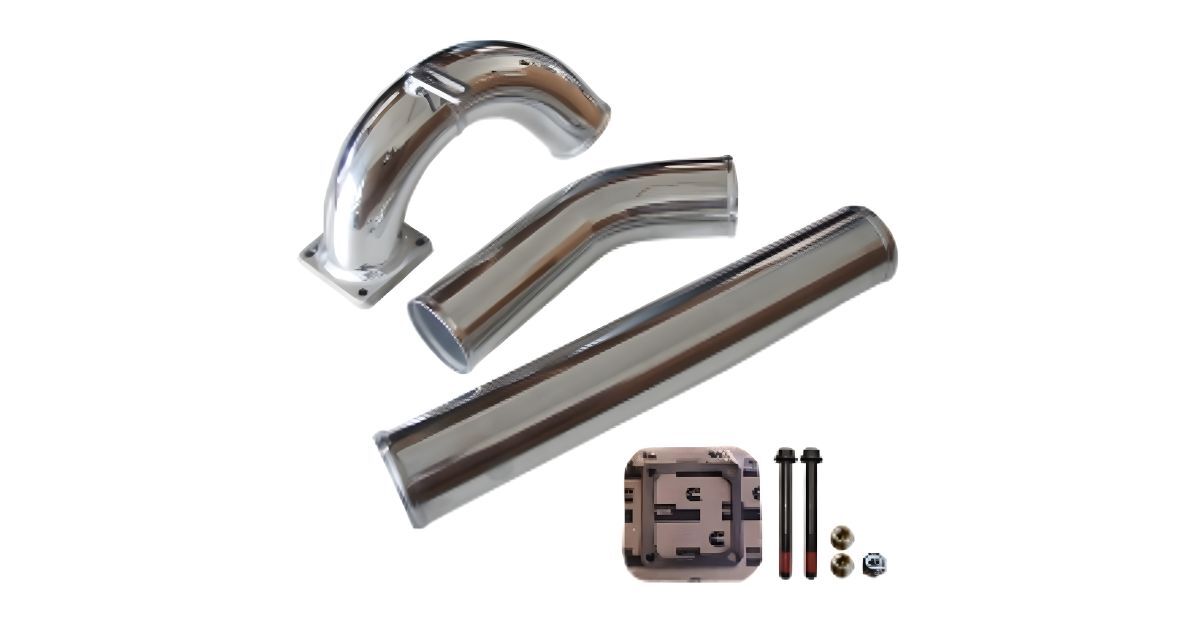
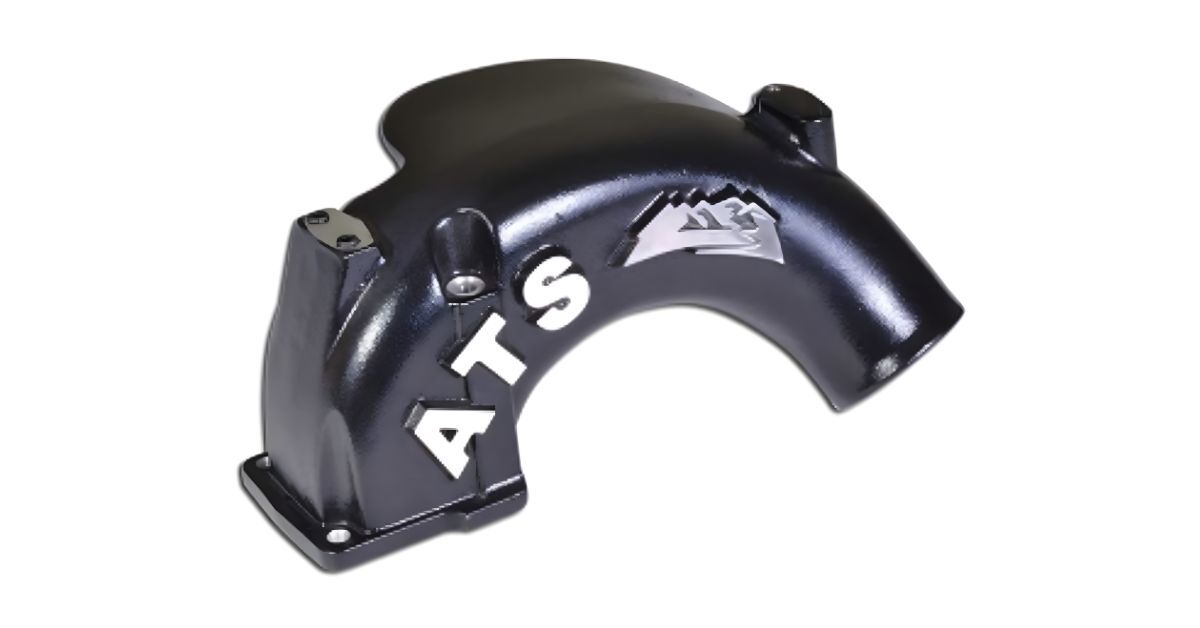
Performance-oriented aftermarket manifolds focus on maximizing airflow capacity and optimizing internal geometries for better power delivery. These components typically feature larger plenums, smoother internal surfaces, and more efficient runner designs. Materials like cast aluminum or billet construction provide durability advantages over plastic factory components while reducing weight.
High-end aftermarket options might include features like removable runners for cleaning, integrated mounting points for accessories, or custom port configurations. Some manufacturers offer manifolds specifically designed for particular applications, such as drag racing, pulling competitions, or extreme street performance.
Installation Considerations and Professional Help
Intake manifold installation requires mechanical aptitude and specialized tools, but many experienced enthusiasts can handle the job with proper preparation. The process typically involves removing the existing manifold, transferring sensors and accessories, and installing the new component with appropriate gaskets and hardware. However, diesel engines present unique challenges that a gasoline engine experience might not prepare you for.
Timing and precision become critical factors during installation. Diesel engines operate under higher pressures and temperatures than gasoline engines, making proper torque specifications and gasket installation crucial for long-term reliability. Mistakes during installation can lead to vacuum leaks, sensor malfunctions, or catastrophic engine damage.
Professional installation offers several advantages, particularly for complex aftermarket manifolds or heavily modified engines. Experienced technicians understand the nuances of Powerstroke engines and can identify potential compatibility issues before they become problems. They also have access to specialized tools and diagnostic equipment that might be necessary for proper installation and initial setup.
Consider professional help if your installation involves other simultaneous modifications, complex tuning requirements, or if you lack confidence in your mechanical abilities. The cost of professional installation often proves worthwhile when weighed against the potential consequences of installation errors.
Top Performing Intake Manifold Options
Several manufacturers have established reputations for producing high-quality Powerstroke intake manifolds that deliver measurable performance improvements. When exploring 6.0 Powerstroke performance parts, some companies offer proven solutions with track records of reliability and performance gains.
Making Your Final Decision
Selecting the right Powerstroke intake manifold requires balancing performance goals, budget constraints, and compatibility requirements with your specific Powerstroke engine and intended use. Start by clearly defining what you want to achieve—whether that’s modest efficiency improvements, significant power gains, or maximum performance potential for competition use.
Research thoroughly and read user reviews from owners with similar applications and goals. Online forums and communities dedicated to Powerstroke engines provide valuable real-world feedback about different manifold options. Pay attention to installation experiences, long-term reliability reports, and actual performance gains rather than just manufacturer claims.
Consider the total cost of ownership, including the manifold price and also installation, tuning, and any supporting modifications that might become necessary. Sometimes, a more expensive manifold that includes comprehensive support and documentation proves more cost-effective than a cheaper option that requires additional modifications or professional help.
Don’t overlook the importance of manufacturer support and warranty coverage. Companies that stand behind their products with comprehensive warranties and responsive customer service provide valuable peace of mind, particularly for significant modifications like intake manifold upgrades.
The right intake manifold can transform your Powerstroke’s performance characteristics, delivering improved power, better throttle response, and enhanced driving enjoyment. By carefully considering your specific needs, researching available options, and choosing a reputable manufacturer, you’ll be well-positioned to make a selection that delivers the performance improvements you’re seeking while maintaining the reliability that makes Powerstroke engines so appealing.