Aftermarket Exhaust Systems: A Buyer’s Guide
Estimated 0 min read
Aftermarket exhaust systems are some of the most popular upgrades among car enthusiasts, and for good reason. They offer the ability to enhance your vehicle’s performance, improve its sound, and even upgrade its aesthetic appeal. But with so many options available, finding the perfect fit for your car and your goals can feel overwhelming. This buyer’s guide to aftermarket exhaust systems aims to demystify the process and give you the knowledge you need to make an informed purchase.
What Are Aftermarket Exhaust Systems?
An aftermarket exhaust system replaces the stock exhaust system that comes with your vehicle from the manufacturer. Third-party companies designed and built these systems to meet different goals, such as increasing horsepower, improving sound quality, or achieving a cleaner appearance. Aftermarket exhaust systems prioritize performance and customization, unlike standard stock systems. They allow car enthusiasts to tune their vehicles to align more closely with their driving needs and personal preferences.
Why Upgrade to an Aftermarket Exhaust System?
Your car’s stock exhaust system likely meets general performance standards and regulations but isn’t optimized for enthusiasts. Upgrading to an aftermarket exhaust can bring several noticeable advantages.
For starters, a better-designed exhaust allows for more efficient airflow through the engine, which improves horsepower and torque. It also often results in a more aggressive engine note, giving your car an auditory personality that turns heads. Additionally, aftermarket systems are usually crafted from higher-quality materials like stainless steel, making them more durable than their factory counterparts.
Cat-Back vs. Axle-Back Exhaust Systems
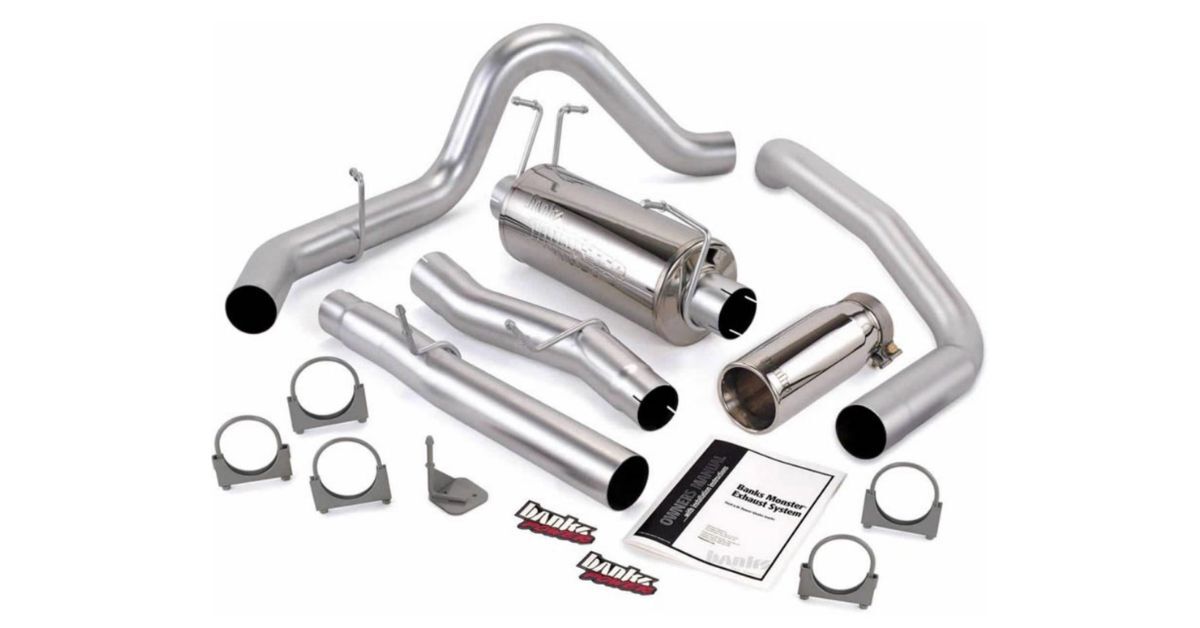
When choosing an aftermarket exhaust system, one of the first considerations is the type of upgrade you are after. The two main categories are cat-back and axle-back systems. A cat-back system upgrades the exhaust parts starting from the catalytic converter all the way to the tailpipe. This type is ideal for those looking to maximize performance and sound.
An axle-back system, by comparison, replaces only the exhaust components from the rear axle to the tailpipe. While it offers a simpler installation process and lower cost, its performance enhancements might not be as pronounced as a cat-back upgrade.
Material Matters
The material of your exhaust system plays a key role in its performance, durability, and overall cost. Stainless steel is the gold standard for high-quality aftermarket exhaust systems. Not only is it resistant to rust and corrosion, but its strength also ensures durability in high-performance applications.
Another option is aluminized steel, which is more affordable but sacrifices longevity and resistance to harsh weather conditions. Titanium exhaust systems are a lightweight option that is perfect for racers, but these come with a significantly higher price tag.
Matching the Sound to Your Style
One of the most exciting aspects of upgrading to an aftermarket exhaust system is the sound. Whether you’re after a deep growl, an aggressive roar, or a subtle performance note, there’s an option for you. The muffler’s design, the pipes’ size, and other factors work together to create a distinct auditory experience.
Resonated exhaust systems reduce harshness in the sound, offering a refined tone, while straight-pipe systems deliver an unfiltered, racecar-like roar. If you’re unsure which sound will suit your preferences, consider watching videos of various systems or speaking with a professional for recommendations.
Performance Benefits of Aftermarket Exhaust Systems
At its core, the job of an exhaust system is to expel gases produced by the engine. A high-performance after-market system improves this process, enabling the engine to “breathe” more efficiently. With reduced back pressure and increased airflow, you’ll notice gains in horsepower and torque.
For example, if you’re a fan of diesel-powered vehicles such as the Ford 6.0 Powerstroke, upgrading to a 6.0 Powerstroke exhaust turbo back system can result in significant performance improvements, further reducing restrictions and improving responsiveness.
Additionally, by removing unnecessary components or including high-performance catalytic converters, aftermarket systems can reduce the weight of your vehicle, improving its efficiency.
DIY Installation vs. Professional Help
For the automotive enthusiast with some mechanical know-how, installing an aftermarket exhaust system can be a satisfying DIY project. Many manufacturers provide detailed installation instructions to guide you through the process. However, if your chosen system requires complex modifications or intricate welding, enlisting professional assistance is wise. A poorly installed exhaust system may reduce performance or result in harmful leaks. Investing in proper installation ensures that your upgrade functions as intended.
Are Aftermarket Exhaust Systems Street Legal?
One overlooked factor is whether the chosen exhaust system complies with local laws and regulations. Some systems, particularly those designed for off-road or racing purposes, may not be street-legal due to noise levels or emissions. Before purchasing, check for certifications such as EPA-approved markings or CARB compliance if you’re in California. Reputable manufacturers will indicate whether their products meet regulatory requirements.
Balancing Costs and Benefits
Aftermarket exhaust systems vary widely in price, depending on the brand, material, and functionality. While budget options are tempting, remember that you often get what you pay for. A cheaper system may lack the craftsmanship and durability of a premium alternative, resulting in additional costs for repairs or replacements down the line. Determine your priorities upfront. If sound and aesthetics top your list, a mid-tier system might suffice. But if you’re chasing optimal performance, be prepared to invest in a high-end system.
Maintaining Your Aftermarket Exhaust
Upgrading to an aftermarket exhaust system doesn’t mean saying goodbye to maintenance. Proper care will help your system perform better and last longer, like any vehicle component. Regularly inspect your exhaust for dents, cracks, and rust. Cleaning the system with appropriate products will also maintain its luster and prevent buildup. Some exhaust tips may even benefit from polishing to retain their appearance. Keeping an eye on your upgraded system keeps it in top-notch condition so it delivers the expected performance.
Finding the Right Exhaust System for You
Upgrading to an aftermarket exhaust system can be a thrilling way to enhance your vehicle’s performance, sound, and style—but the key isn’t choosing the “best” system overall; it’s choosing the best one for your goals. Whether you’re after a deeper growl, improved horsepower, or a sleeker look, knowing what you want to achieve will point you in the right direction.
With countless options for every level of enthusiast, it’s important to consider factors like material, sound profile, and ease of installation. Customer reviews and video demos can also offer real-world insight to help you make a confident decision.
Keep this buyer’s guide to aftermarket exhausts on hand as you research, compare products, and consult with professionals. The right aftermarket exhaust system is a long-term investment in your vehicle’s performance and driving enjoyment. With proper care and installation, you can upgrade your exhaust and your entire driving experience.