Buying a Used 5.9 Cummins? What To Look For
Estimated 0 min read
When purchasing a used 5.9 Cummins engine, whether for a project truck or as a replacement, due diligence is non-negotiable. These engines are renowned for their reliability and power, but no engine is immune to wear and tear over time. A thorough inspection can help you identify potential issues and assess whether the asking price is justified. This guide will walk you through the process of buying a used 5.9 Cummins and what to look for, including key areas to examine before making your purchase.
The Importance of Pre-Purchase Inspections
Inspecting a used 5.9 Cummins isn’t just about engine health; it’s also about your peace of mind. A little upfront effort can save thousands of dollars in repairs later. During your inspection, focus on spotting signs of neglect or heavy use that may not be immediately obvious. For example, an engine may appear functional initially but could harbor long-term issues due to inadequate maintenance.
Check the Overall Condition of the Engine
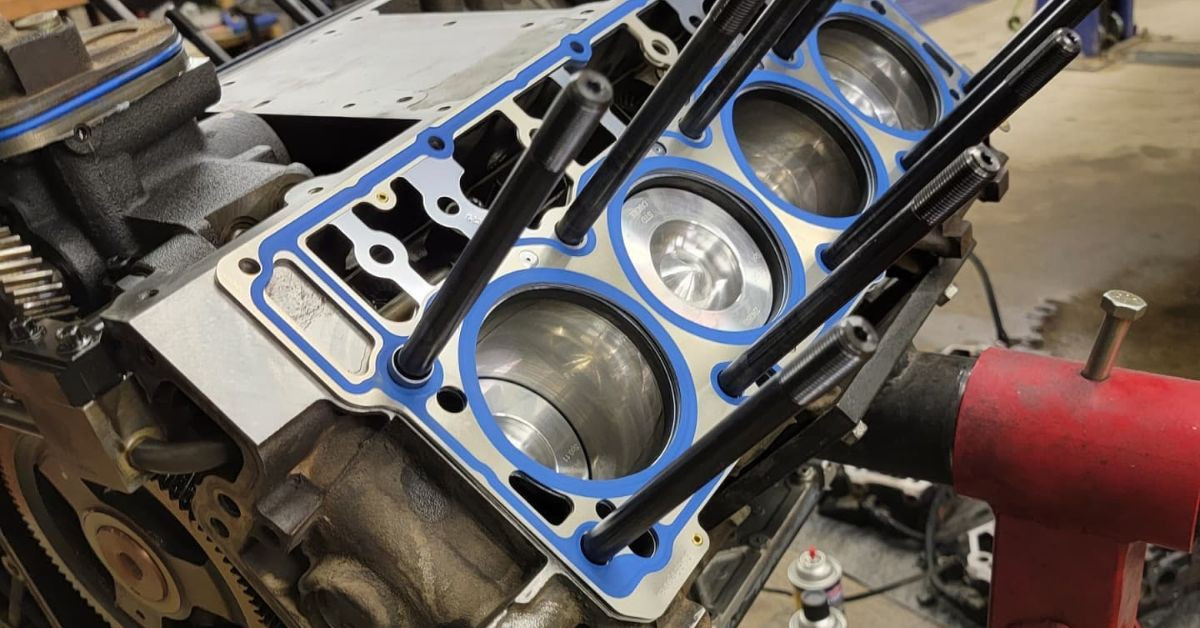
Begin by visually inspecting the engine for external signs of wear and tear. Cracks on the engine block, rust, or corrosion could signal advanced aging or exposure to harsh environments. Please pay attention to oil leaks, as they can point to issues with seals or gaskets. For example, finding residue around the oil pan could mean replacing the gasket soon after buying it, adding to your costs.
Examine the Engine’s Maintenance Records
A well-maintained engine often comes with detailed service records. Ask the seller for these records; they’re invaluable for assessing the engine’s care history. Was the oil changed regularly? Was the fuel system serviced? The absence of maintenance records shouldn’t be a dealbreaker, but be cautious. Hypothetically, if the seller claims an engine was well-maintained but provides no documents, you might be inheriting unresolved problems.
Test the Oil for Clues
Checking the oil condition provides immediate insight into the internal engine's health. First, remove the dipstick and inspect the oil color. Fresh oil is golden brown, while dark or murky oil indicates that it has passed its prime. Rub a bit of oil between your fingers; metallic particles could indicate internal wear. For example, an engine with metallic debris in the oil may have a failing component, such as the camshaft or bearings.
Assess the Turbocharger Condition
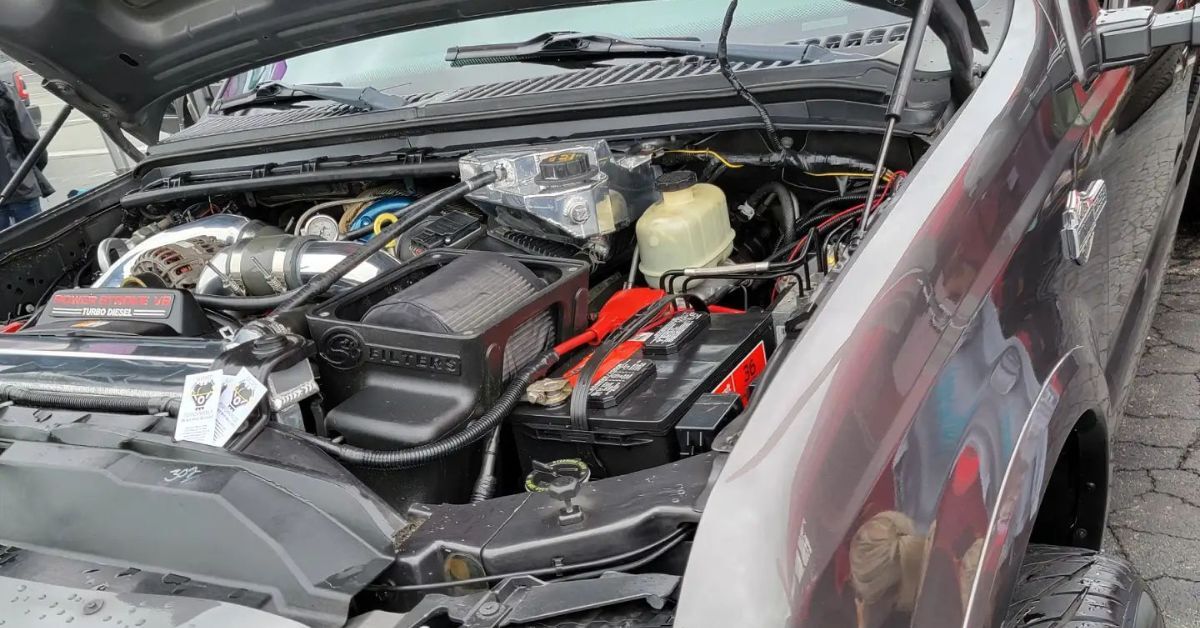
The 5.9 Cummins turbocharger plays a crucial role in delivering its iconic power and performance, making its condition essential. Look for signs of oil leakage around the turbo housing and inspect its blades for wear. Spin the turbo blades carefully to check for unusual resistance or play.
Consider this hypothetical scenario: if the turbo blades wobble excessively, you may need to replace the turbo soon after purchase, which could be a costly repair. Neglecting turbocharger maintenance can also lead to reduced engine efficiency, loss of power, and an increase in exhaust temperatures, which may cause further damage to engine components. Regular inspections and prompt servicing of the turbocharger can help the 5.9 Cummins continue to deliver reliable performance and extend its lifespan.
Inspect the Fuel System
The fuel system plays a critical role in maintaining engine performance and longevity, especially in the 5.9 Cummins engine, renowned for its durability and power. Ensuring the fuel system operates efficiently requires regular inspections and maintenance of components like fuel lines, injectors, and the fuel pump, as issues in these areas can lead to a cascade of performance problems.
Start by inspecting the fuel lines for any signs of wear, cracks, or leakage. Even a minor fuel leak can compromise engine performance and pose a safety risk. Moisture or visible fuel around the lines indicates the need for immediate attention. Similarly, pay close attention to fuel injectors, as they play a pivotal role in delivering fuel to the combustion chamber. Faulty injectors can lead to uneven performance, reduced fuel efficiency, and, in severe cases, engine damage.
Check the Cooling System
The cooling system is another critical component that prevents the engine from overheating. Inspect the radiator for signs of corrosion, leaks, or damage. Additionally, check the coolant levels and color. Clean, green, or orange coolant is ideal, but cloudy or oily coolant signals contamination. For instance, oil in the coolant could point to a head gasket issue, which would require significant repairs.
Run a Compression Test
A compression test is a definitive way to assess an engine’s internal health. Uneven compression across cylinders could indicate a valve failure, worn piston rings, or head gasket issues. For example, if cylinder compression varies significantly during the test, you’re looking at repairs that could cost nearly as much as replacing the engine altogether. Always request a compression test before finalizing your purchase.
Evaluate Idle and Exhaust
Start the engine to see how it performs at idle. It should run smoothly without vibrations or unusual noises. Also, pay attention to exhaust emissions, as they can affect the engine’s internal health. Black smoke might indicate fuel timing issues, while blue smoke often signals burning oil due to worn seals.
Inspect the Aftermarket Additions
Many 5.9 Cummins engines may come with aftermarket modifications, such as upgraded turbos, injectors, or a 5.9 Cummins programmer. While these can improve performance, they could also indicate stress on the engine if installed improperly. Always inquire whether any aftermarket parts are installed professionally. A poorly installed programmer chip causing excess fuel injection may lead to engine overheating and long-term wear.
Perform a Test Drive
A test drive often reveals more than static inspections. Pay attention to how the engine performs under different conditions, such as accelerating uphill or maintaining highway speed. Listen for knocking sounds, whining noises, or hesitations, as these may indicate more serious mechanical issues. Hypothetically, if the power delivery feels laggy or uneven during the test drive, the engine may have fuel or turbocharger issues requiring immediate attention.
Ask a Diesel Mechanic for Expertise
Even with careful inspections, it’s wise to bring along a trusted mechanic who’s familiar with diesel engines. Their trained eyes can catch nuances that might escape your notice. For instance, they might detect slight vibrations in the engine mount or subtle shifts in pressure that indicate future problems. Spending on an expert’s opinion is a worthy investment when considering the cost of major repairs later.
Factor in the Asking Price
After completing your inspection, compare your findings with the seller’s asking price to determine if the deal is a good fit. A pristine engine may be worth a premium, while one with minor issues requires a price that accounts for future repairs.
For example, a seller asking top dollar for an engine requiring turbo repairs is likely overpriced. Negotiating based on your inspection results can often yield a fair deal. Thorough inspections not only protect your investment but also give you leverage in discussions, enabling you to avoid overpaying for hidden problems.
Protect Your Investment With a Thorough Inspection
Purchasing a used 5.9 Cummins engine requires a careful and systematic approach. By investigating its overall condition, maintenance, turbocharger, and fuel system, and using professional evaluations, when possible, you set yourself up for success.
Ensure your investment is worthwhile by choosing high-quality performance parts that deliver both reliability and power. For top-tier engine upgrades and components designed to maximize your Cummins' potential, explore Blessed Performance’s premium offerings. Start optimizing your vehicle's performance today with trusted products built to last!