Common Signs Your 6.7 Powerstroke Turbo Needs an Upgrade
Estimated 0 min read
The turbo on a 6.7 Powerstroke has a direct effect on how the truck builds boost, responds under load, and supports the rest of your setup. For some owners, the factory turbo remains the right fit. For others, wear, towing demands, tuning, or bigger performance goals can make a 6.7 Powerstroke turbo upgrade worth considering.
The factory setup gets the job done for most truck owners. However, a 6.7 Powerstroke upgraded turbo can give you better responsiveness and better horsepower. If you tow heavy trailers, run custom tuning, or simply want your truck to be more responsive when you put the pedal down, replacing the stock 6.7 Powerstroke turbo can be a great call.
Over time, your stock turbo could get worn down and need to be replaced. Other truck owners replace the turbo before it reaches its end of life, simply because they want better performance. Here’s a look at some indications that your Super Duty needs a turbo upgrade.
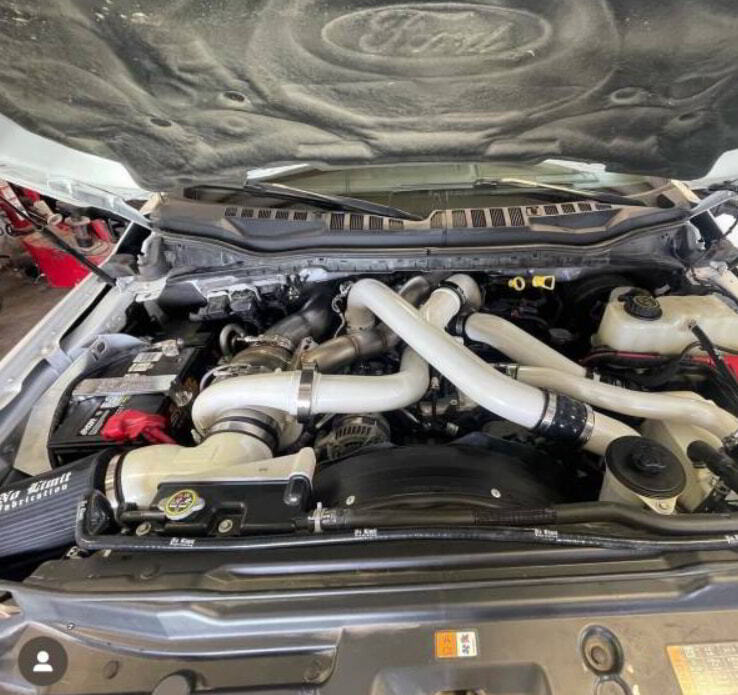
Signs Your Current Turbo Setup May Be Holding You Back
Most truck owners start researching upgrades after noticing that their Super Duty isn’t performing as well as they would like. Sometimes, these changes happen gradually. Other times, truck owners will notice a performance issue when they start using their truck for something new, such as hauling a trailer or camper that they just purchased.
You may benefit from upgrading your 6.7 Powerstroke Turbo if you notice some specific signs.
Slower Boost Response
The 6.7 Powerstroke engine offers good factory responsiveness. But you know your truck. If it starts lagging behind, it may indicate that the turbocharger is worn. If boost takes noticeably longer to build than it used to, the turbo could be to blame.
While any truck could experience some small delays under tough circumstances, consistent lag is a major concern, especially if you are towing or merging onto a busy highway. Replacing your stock 6.7 Powerstroke turbo or upgrading to a more powerful option can give you the responsiveness you are looking for.
Loss of Power Under Load
Heavy towing puts serious demand on your turbocharger. However, the Super Duty is built to work. If your truck feels like it’s working harder than usual when hauling or climbing grades, the turbo may be approaching its limits.
A 6.7 Powerstroke turbo built for factory output can sometimes struggle if you install an aggressive tune or modify your engine. Upgrading to a more capable turbocharger will allow you to reap the full benefits of your other mods. However, it's important to make sure the new turbo is compatible with your other upgrades.
Increased Exhaust Smoke
When you accelerate, your truck shouldn’t produce a lot of excess smoke. If it does, the engine might not be getting enough air relative to the fuel being delivered. When airflow becomes a limiting factor, combustion efficiency drops.
While smoke can be related to tuning or injector issues, turbo airflow limitations are another possible cause.
There’s a difference between increased exhaust smoke during regular driving and intentionally rolling coal when rapidly accelerating from a dead stop. A general increase in exhaust smoke could be a sign that you need a 6.7 Powerstroke turbo upgrade.
Higher Exhaust Gas Temperatures
Rising exhaust gas temperatures (EGTs) when you are towing or accelerating quickly indicate that your turbocharger isn’t moving air efficiently. If you are tuning your truck to improve performance and have begun pushing it harder, a turbocharger upgrade is a natural next step.
Lower EGTs typically mean your engine is breathing better. That’s one of the main perks of a turbo system that matches other engine performance components. When your engine upgrades are working together, the powertrain is going to put out more power with less effort.
Unusual Turbo Noise or Wear
Diesel trucks are known for their iconic whistling noise. Some diesel owners even modify their turbochargers to whistle louder. However, you should not hear whining, grinding, or other odd noise from your turbo. If you are, it could indicate that the bearings are worn or that other internal damage has occurred.
In these cases, swapping out the turbo is your best bet. You can reinstall a factory unit or upgrade. If the turbo is already coming out, that is often the point where owners compare a stock replacement against an upgraded option that better matches how the truck is used.
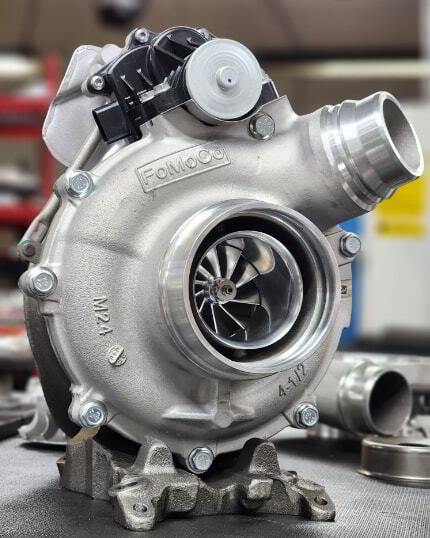
Common Reasons Owners Upgrade
You don’t have to wait until your stock turbo bites the dust to upgrade. Many Super Duty owners swap out their turbos simply because they want their trucks to perform better in specific conditions.
Improved Towing Performance
Super Duty trucks are built to work, especially those equipped with the 6.7 Powerstroke. However, if you are frequently towing heavy trailers, it will place added demand on your turbocharger. A properly matched turbo can improve boost stability, reduce EGTs, and make your truck handle more confidently under load.
If towing is a big part of how you use the truck, it also helps to look at the other supporting changes covered in Blessed Performance’s guide to the best diesel truck upgrades for towing.
Better Throttle Response
Some factory turbo systems are tuned for emissions and efficiency, rather than responsiveness.
Upgraded turbos can deliver faster spool and stronger mid-range power, which makes your truck feel more responsive in everyday driving. You’ll notice these perks most when you are accelerating from a dead stop or merging onto busy highways.
Supporting Performance Mods
Once you start adding upgrades, such as tuning your engine or swapping out the intake, the factory turbo may start to hold you back. Investing in a more capable turbocharger allows those other performance parts to work together more effectively.
Sometimes, upgrading your 6.7 Powerstroke turbo is about making your truck perform and sound better. Some owners also prefer specific sound characteristics, including 9-blade-style setups, but that should be a secondary consideration behind fitment, drivability, and overall goals.
Preparing for Bigger Builds
If you have a long-term vision for your diesel Super Duty, upgrading the turbo could be just one step in the process. To hit your higher horsepower goals, you need more airflow than a stock turbo can typically provide. Choosing the right turbo early can make it easier to achieve future upgrades.
Types of 6.7 Powerstroke Turbo Options
When shopping for turbochargers for your 6.7 Powerstroke engine, you’ll find all sorts of options.
Stock Replacement Turbos
Stock replacement turbos are designed to restore factory performance. If your original turbocharger is failing and you want to keep the truck close to its original configuration, go with this option. In many cases, a stock-style replacement requires fewer supporting changes than a larger upgrade, but fitment and install requirements still depend on the exact truck and parts you choose.
Drop-in Upgraded Turbos
Drop-in turbos are one of the most popular choices because they have a similar footprint to the factory turbocharger. You won’t have to make any major changes to your truck to install a drop-in turbo. Simply remove the factory unit, install the replacement, and you are good to go.
T4 Swap Kits
T4 turbo conversion kits move away from the factory configuration and open the door to a much wider range of turbocharger options. If you are pursuing higher horsepower or more specialized performance goals, a T4 swap kit can be a great choice. However, these kits require a more complex installation process. You may also have to order additional exhaust piping, which isn’t included in most kits.
Compound Turbo Systems
A compound turbo uses two turbochargers that work together to improve airflow and reduce EGTs and lag. First, a smaller, high-pressure turbo spools instantly and feeds air into the larger low-pressure turbo. These setups are more costly, but they also deliver exceptional performance and noticeable power gains.
How to Choose the Right Turbo for Your Truck
Before you order a new turbocharger, decide whether your priority is factory-like towing manners, a stronger drop-in upgrade, or a more aggressive build that will need additional supporting parts. The right turbo for a daily-driven tow rig is not always the right turbo for a truck chasing much higher horsepower.
For a broader look at airflow, intercooling, maintenance, and other supporting factors, see How To Boost Your Turbocharger’s Performance.
Consider:
- Your use case and overall goals
- Whether you plan to add more supporting upgrades later
- Whether towing response, drivability, or higher power matters most
You should also decide whether you plan to handle the install yourself or work with a diesel performance shop.
Ready for Your 6.7 Powerstroke Turbo Upgrade?
The 6.7 Powerstroke turbocharger is one of the most important performance parts in your diesel truck.
If you think your current setup is limiting the truck, start by narrowing down the kind of turbo that fits your use case, then compare the 6.7L Powerstroke options that match your model year and build goals.
FAQs
How Do I Know if My 6.7 Powerstroke Turbo Needs to Be Replaced or Upgraded?
You may be due for a replacement or upgraded turbo if you are experiencing issues like a reduced boost response, higher exhaust gas temperatures, and increased smoke under load.
What Is the Difference Between a Stock Replacement and an Upgraded Turbo?
A stock turbo is designed to match factory performance and airflow. An aftermarket turbocharger may offer improved airflow capacity and better boost response.
Is a Bigger Turbo Always Better for Towing?
Not necessarily. While larger turbos can support higher horsepower, they may also spool more slowly. If your goal is optimal performance while towing, you need a turbo setup that offers good boost responsiveness and plenty of airflow.
What Other Upgrades Should I Consider With a Turbo Upgrade?
You may want to tune your truck or invest in an upgraded intercooling system. Installing a better fuel system could also help you get the most out of your new turbocharger.