ECU Parameters That Affect Diesel Horsepower
Estimated 0 min read
Every diesel engine owner knows the feeling of wanting a little more power. Whether you are towing a heavy load or just craving a more responsive throttle, unlocking your engine’s full potential can be a game-changer. The key to this extra power lies within your truck’s brain: the Engine Control Unit, or ECU. By adjusting specific ECU parameters, you can significantly boost your diesel engine’s horsepower and torque. This post will walk you through the ECU parameters that affect diesel horsepower.
Understanding the ECU is the first step toward getting more from your engine. It is the central computer that manages nearly all aspects of your engine’s performance. The ECU continuously receives data from sensors throughout the engine, including oxygen levels, engine temperature, and throttle position. Based on this information, it makes real-time adjustments to keep the engine running efficiently. This factory programming prioritizes a balance of power, fuel economy, and emissions control, which often leaves untapped potential on the table. Tuning the ECU involves modifying these factory settings to favor performance, giving you more power when you need it.
Your Engine’s Command Center: The ECU
Think of the ECU as the conductor of an orchestra. It directs every component to work in harmony to produce the desired output. In a diesel engine, this means controlling the precise amount of fuel injected, the timing of that injection, and the amount of air forced into the cylinders. The factory calibration is a compromise designed for the average driver in average conditions.
But if you want to optimize your engine for specific tasks, like hauling heavy equipment or improving your quarter-mile time, ECU tuning allows you to rewrite the rules. By altering the ECU’s programming, you tell the engine to prioritize power over other factors, resulting in noticeable gains in horsepower and torque.

Key ECU Parameters for More Power
Several key parameters within the ECU directly influence your diesel engine’s horsepower. Adjusting these settings tells the engine how to create more power. Each parameter plays a unique role, and understanding them helps you appreciate what happens when you tune your vehicle.
Fuel Injection Timing
Fuel injection timing is one of the most critical factors for engine performance. This parameter determines the exact moment fuel sprays into the cylinder during the compression stroke. Advancing the timing, which means injecting the fuel slightly earlier, allows more time for the fuel to mix with the compressed air. This timing leads to a more complete combustion process, generating greater piston pressure and, consequently, more power. However, advancing the timing too much can cause engine knocking or pre-detonation, which can damage engine components. Finding the right balance is crucial for safe and effective tuning.
Fuel Rail Pressure
Fuel rail pressure controls how much fuel goes to the injectors. Increasing this pressure forces more fuel into the cylinder with each injection event. A higher volume of fuel, when combined with the right amount of air, creates a more powerful explosion in the combustion chamber. This surge directly translates to increased horsepower. Modern common rail diesel systems operate under extremely high pressures, and tuning can push these levels even higher. It is important that the fuel system components, like the injectors and high-pressure fuel pump, can handle the increased demand without failing.
Turbocharger Boost
Most modern diesel engines use a turbocharger to force more air into the cylinders. The ECU controls the amount of boost the turbo produces. Increasing the boost pressure packs more oxygen into the combustion chamber, which allows the engine to burn more fuel and produce more power. Tuners can adjust the ECU to command the turbocharger to spin faster, generating higher levels of boost. For example, a quality 6.0 Powerstroke programmer can modify these boost settings to help you achieve significant performance gains. Like other parameters, there is a limit. Excessive boost can strain the turbo and other engine parts, so careful adjustment is necessary to avoid damage.
Air-Fuel Ratio
The air-fuel ratio is the delicate balance between the amount of air and fuel in the combustion mixture. For diesel engines, this ratio is crucial for both power and efficiency. Tuning the ECU to adjust the air-fuel ratio involves optimizing the amount of fuel injected for the volume of air supplied by the turbocharger. A richer mixture, with more fuel relative to air, can produce more power up to a certain point. However, a mixture that is too rich will result in incomplete combustion, producing black smoke and wasting fuel. Proper tuning finds the sweet spot where the engine makes maximum power without excessive smoke or dangerously high exhaust gas temperatures.
Tuning Your Diesel Engine Safely
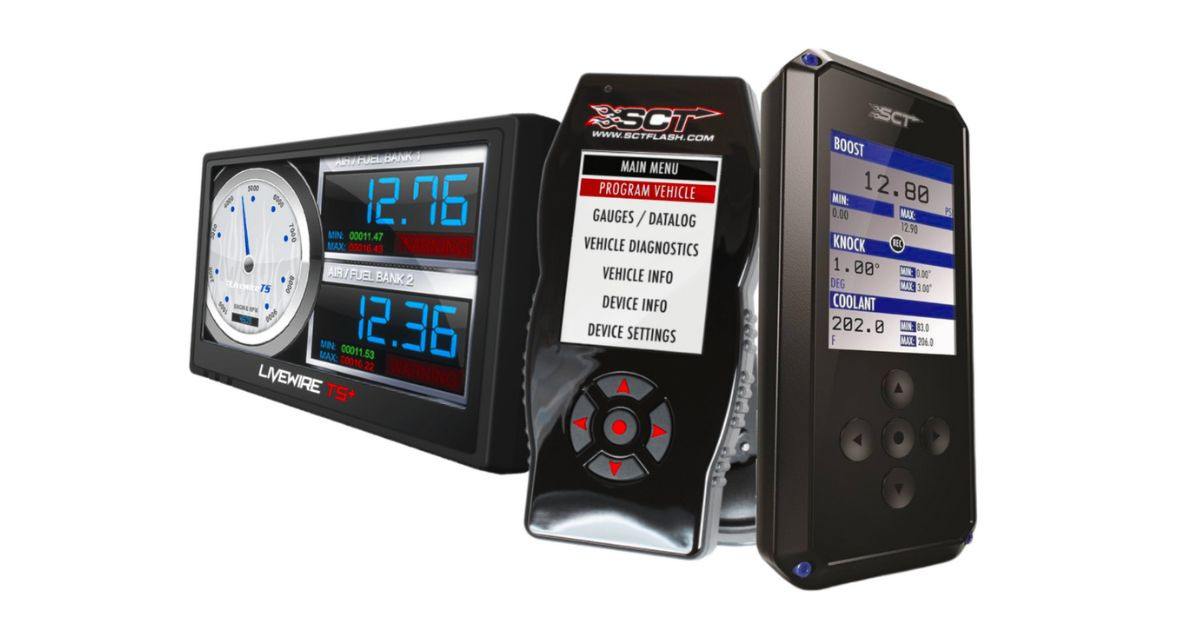
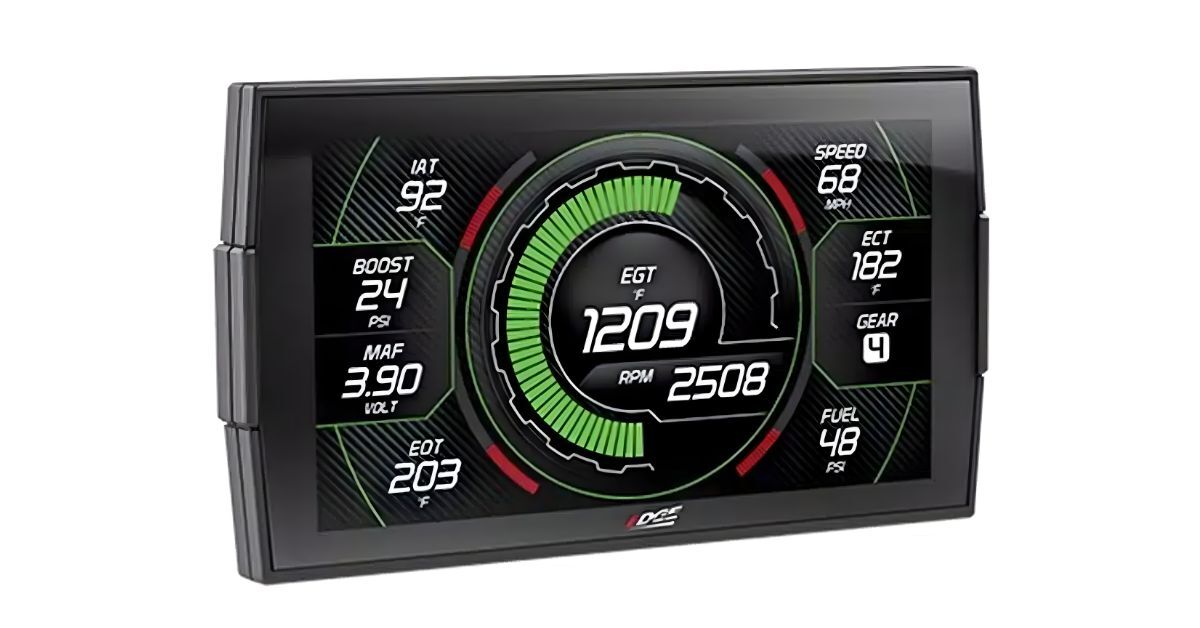
Modifying your ECU’s parameters can unlock impressive power, but you must do it carefully. Pushing the engine beyond its mechanical limits can lead to catastrophic failure. The safest way to tune your diesel engine is to use a reputable handheld tuner or have a professional tuner perform a custom tune. These experts understand the intricate relationships between different parameters and know how to optimize them without compromising your engine’s longevity. They will monitor critical data points like exhaust gas temperatures and cylinder pressures to dial in a tune that is both powerful and reliable.
Exploring the Benefits of Tuning
ECU tuning offers a range of benefits that can significantly enhance your vehicle’s performance and efficiency. One of the most notable advantages is the ability to unlock additional horsepower and torque by optimizing the engine’s parameters, such as air-fuel ratio, ignition timing, and turbo boost levels. This optimization improves acceleration and overall power delivery.
Additionally, ECU tuning can help improve fuel economy by fine-tuning engine performance based on driving conditions, enabling you to get the most out of every gallon of fuel. For those who tow or carry heavy loads, tuning can tailor the engine’s performance to provide better torque at lower RPMs, improving reliability and drivability. Beyond performance gains, some custom tunes can also adjust throttle responsiveness, enhancing the driving experience and making your vehicle feel more dynamic and enjoyable on the road.
Maximize Your Horsepower
ECU tuning offers a direct path to unlocking the hidden power within your diesel engine. By carefully adjusting fuel injection timing, fuel rail pressure, turbocharger boost, and the air-fuel ratio, you can transform your truck’s performance. These changes allow the engine to burn fuel more efficiently, delivering more horsepower and torque right where you need them. Whether you are looking for better towing capability or just a more exhilarating driving experience, understanding how these ECU parameters work gives you the knowledge to pursue more power with confidence.