Everything To Know About 6.0L Powerstroke Oil Capacity
Estimated 0 min read
The 6.0L Powerstroke diesel engine requires precise oil management to deliver reliable performance and longevity. Understanding the correct oil capacity helps prevent costly repairs and maintains your engine's efficiency over time. This comprehensive guide covers everything you need to know about the 6.0L Powerstroke’s oil capacity. Whether you're a seasoned mechanic or a new owner, these insights will help you maintain your engine correctly.
Understanding the 6.0L Powerstroke Engine Basics
The 6.0L Powerstroke engine was manufactured by International and used in Ford Super Duty trucks from 2003 to 2007. This V8 diesel engine featured advanced technology for its time, including a variable geometry turbocharger and a sophisticated fuel injection system. The engine produces substantial torque and horsepower, making it popular among truck enthusiasts and commercial operators. However, proper maintenance remains crucial for optimal performance and preventing common issues associated with this engine design.
Standard Oil Capacity Specifications
The 6.0L Powerstroke engine holds approximately 15 quarts of oil when completely drained, including the oil filter replacement. This capacity includes both the oil pan and the oil cooler system, which helps regulate engine temperatures. The large oil capacity reflects the engine's size and the demanding conditions it operates under regularly. Always verify your specific vehicle's requirements, as some configurations may have slight variations in total capacity.
Oil Pan Capacity vs Total System Capacity
The oil pan itself holds roughly 13 quarts, while the remaining capacity exists within the oil cooler and associated lines. Understanding this distinction helps during oil changes, as you may not always drain every drop of oil. The oil cooler system retains some oil even after draining, which explains why oil changes typically require less. Most standard oil changes require approximately 12-13 quarts when replacing the filter and allowing proper drainage time.
The Importance of Proper Oil Level Maintenance
Maintaining correct oil levels prevents engine damage and ensures optimal lubrication throughout all engine components and systems. Low oil levels can cause bearing damage, increased wear, and potential catastrophic engine failure in extreme cases. Overfilling creates excessive pressure, foaming, and reduced lubrication effectiveness, potentially damaging seals and gaskets throughout the system. Regular monitoring prevents these issues and helps identify potential leaks or consumption problems before they become serious.
Oil Filter Considerations
The 6.0L Powerstroke uses a large oil filter that holds approximately 1-2 quarts of oil when filled. Replacing the filter during oil changes affects the total amount of fresh oil needed for proper system filling. Always use the correct filter specification to ensure an appropriate flow rate and filtration efficiency for your engine. Quality filters help maintain oil cleanliness and protect engine components from harmful contaminants and debris particles.
For example, a fleet manager servicing multiple 6.0L Powerstroke trucks may have noticed that using premium high-capacity filters reduced premature wear and allowed longer oil change intervals, ultimately saving time and maintenance costs.
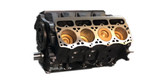
6.0 Powerstroke Crate Engine Oil Requirements
When installing a 6.0 Powerstroke crate engine, follow the same oil capacity guidelines as the original factory specifications. New engines may require special break-in oil or specific viscosity ratings during the initial operating period. Consult your crate engine documentation for specific requirements, as some manufacturers recommend particular oil types or additives. Proper initial fill and break-in procedures help ensure long-term reliability and performance from your replacement engine.
Recommended Oil Types and Viscosity Ratings
The 6.0L Powerstroke performs best with high-quality diesel engine oil meeting API CJ-4 or newer specifications. Most operators choose 15W-40 viscosity for general use, though 5W-40 works better in colder climates and conditions. Synthetic oils offer superior protection and longer service intervals, though they cost more than conventional petroleum-based products. Always consult your owner's manual for specific recommendations based on operating conditions and climate requirements.
Oil Change Intervals and Best Practices
Ford recommends oil changes every 7,500 miles under normal operating conditions, though heavy-duty vehicles may require more frequent service. Monitor oil condition regularly, as diesel engines can contaminate oil more quickly than gasoline engines do. Heavy-duty conditions include towing, dusty environments, and frequent short trips that don't allow complete engine warm-up. Many experienced owners change oil every 5,000 miles to ensure optimal protection and identify potential issues early.
Common Oil System Problems and Solutions
The 6.0L Powerstroke oil system faces several common issues, including oil cooler failures and high-pressure oil pump problems. Oil cooler failures can cause coolant contamination, requiring immediate attention to prevent severe engine damage and costly repairs. High-pressure oil pump issues affect the injector operation and engine performance, often requiring professional diagnosis and repair services. Regular maintenance and quality oil help prevent many of these problems from developing over time.
Checking Oil Levels and Monitoring Consumption
Check oil levels regularly using the dipstick, ensuring the engine sits level and has cooled for accurate readings. The dipstick shows minimum and maximum levels, with optimal levels falling between the two marks consistently. Monitor consumption patterns, as excessive consumption may indicate internal wear or external leaks requiring professional attention. Normal consumption should remain minimal between oil changes, with significant loss indicating potential problems requiring investigation.
Environmental Factors Affecting Oil Capacity
Extreme temperatures affect oil viscosity and may require capacity adjustments for optimal performance and engine protection. Cold weather thickens oil, potentially requiring thinner viscosities to maintain proper flow and circulation throughout the system. Hot climates may benefit from slightly higher oil levels to compensate for thermal expansion and increased consumption. Always consider your operating environment when determining optimal oil capacity and service intervals for best results.
Professional Service vs DIY Oil Changes
Professional service ensures proper disposal of used oil and filters while providing expertise in identifying potential problems. DIY oil changes save money but require appropriate tools, knowledge, and disposal methods for environmental compliance. Consider your skill level and available time when deciding between professional service and self-maintenance approaches. Both approaches work effectively when performed correctly and consistently over the engine's service life.
Understanding your 6.0L Powerstroke’s oil capacity requirements helps ensure reliable operation and prevents costly repairs over time. Regular monitoring, quality oil selection, and proper maintenance intervals protect your investment and maintain optimal performance. Whether performing your own maintenance or using professional services, accurate knowledge of your 6.0L Powerstroke’s oil capacity remains essential for success. Follow these guidelines to keep your Powerstroke engine running smoothly for years to come.