How To Replace an EGR Valve Step by Step
Estimated 0 min read
Your truck’s exhaust gas recirculation (EGR) valve plays a critical role in reducing harmful emissions and maintaining engine efficiency. When this component fails, you might notice rough idling, poor fuel economy, or an illuminated check engine light. Replacing a faulty EGR valve can restore your vehicle’s performance and help you avoid costly repairs down the line. This post walks you through the entire process, from identifying symptoms to completing the replacement and testing your work.
What Is an EGR Valve and Why Does It Matter?
The EGR valve recirculates a portion of your engine’s exhaust gases back into the combustion chamber. This process lowers combustion temperatures and reduces nitrogen oxide (NOx) emissions, which helps your vehicle meet environmental standards. Over time, carbon buildup and wear can cause the valve to stick open or closed, leading to engine performance issues.
A malfunctioning EGR valve can trigger several problems. You might experience decreased fuel efficiency, hesitation during acceleration, or engine knocking. In some cases, the valve’s failure can cause your vehicle to fail emissions testing. Addressing these issues promptly keeps your engine running smoothly and prevents further damage to other components.
Symptoms of a Failing EGR Valve
Recognizing the warning signs of a failing EGR valve helps you catch the problem before it worsens.
Rough Idling
One common symptom is rough idling. If your engine runs unevenly or shakes while at a standstill, the EGR valve might get stuck open, allowing too much exhaust gas into the combustion chamber.
Reduced Fuel Economy
Another telltale sign is reduced fuel economy. A valve that doesn’t close properly disrupts the air-fuel mixture, forcing your engine to work harder and consume more fuel. You might also notice a loss of power during acceleration, particularly when merging onto highways or climbing hills.
Check Engine Light
The check engine light often illuminates when the EGR valve fails. Your vehicle’s onboard diagnostic system detects irregular exhaust gas flow and stores a trouble code. Mechanics use these codes to pinpoint the exact issue. If you see this warning, scanning for codes can confirm whether the EGR valve needs attention.
Strong Odors and Black Smoke
Strong exhaust odors or visible black smoke from the tailpipe suggest incomplete combustion, which can stem from a malfunctioning EGR valve. These symptoms indicate that your engine isn’t burning fuel efficiently, and the valve may be contributing to the problem.

Tools and Materials Needed for Replacement
Before starting the replacement, gather all necessary tools and materials. Having everything on hand streamlines the process and prevents unnecessary trips to the auto parts store. You’ll need a socket set with various sizes, including metric and standard sockets, to remove bolts securing the EGR valve. A ratchet and extension bars help you reach fasteners in tight spaces.
Grab a screwdriver set, both flathead and Phillips, for disconnecting clamps and electrical connectors. Needle-nose pliers come in handy for removing stubborn clips or vacuum hoses. A torque wrench helps you tighten bolts to the manufacturer’s specifications, preventing over-tightening or under-tightening.
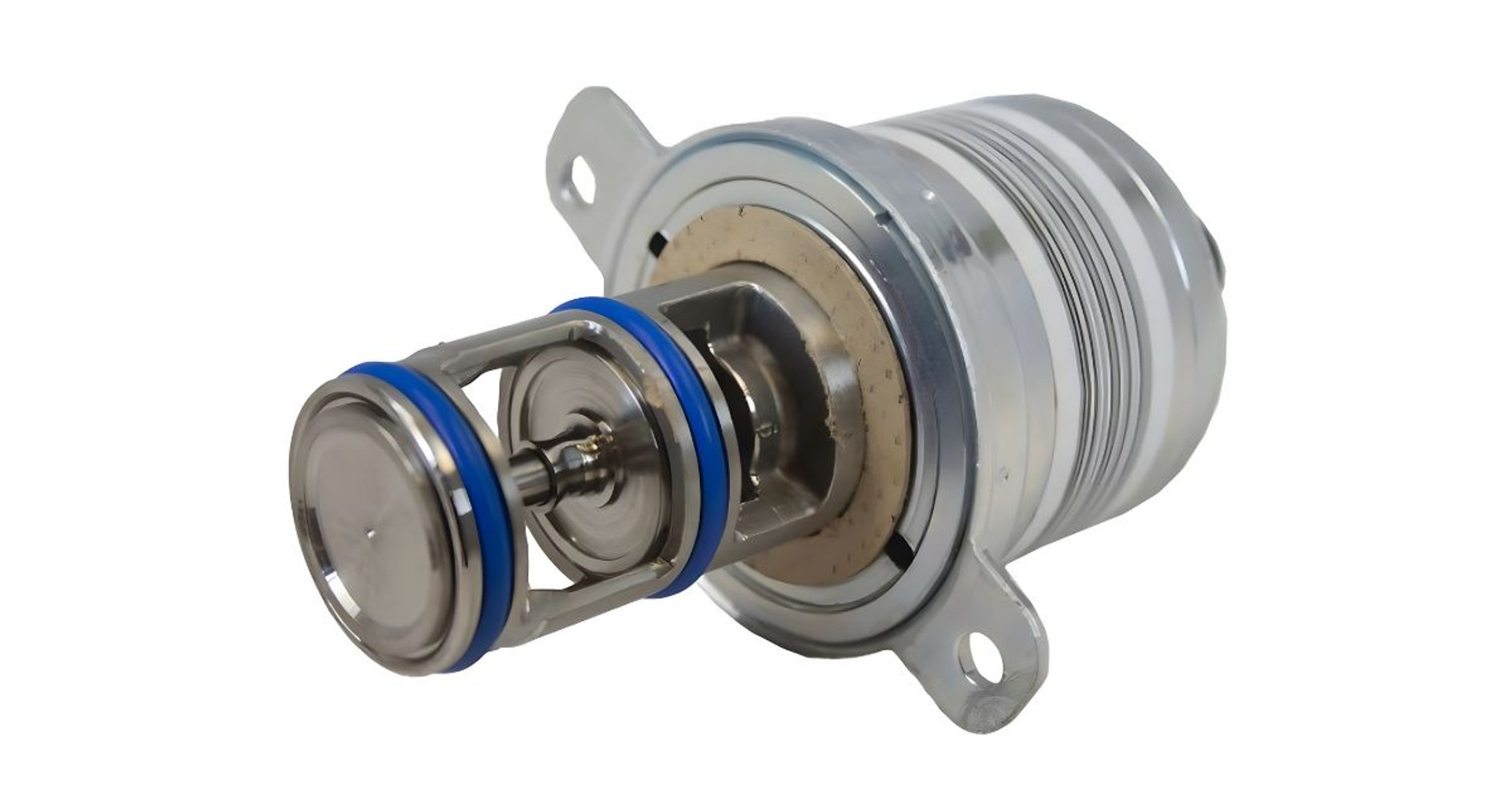
You’ll also need a new EGR valve that matches your vehicle’s make, model, and year. Purchase a quality replacement part from a trusted supplier to avoid premature failure. Consider upgrading to performance components if you’re working on a PowerStroke diesel performance build or similar application, as these can handle higher demands.
Additional materials include a gasket or O-ring to create a proper seal between the valve and the intake manifold. Some kits include a new gasket; verify this before starting. A can of carburetor cleaner or brake cleaner helps you remove carbon deposits from the mounting surface. Wear safety glasses and nitrile gloves to protect yourself from debris and chemicals.
Step-by-Step EGR Valve Replacement Process
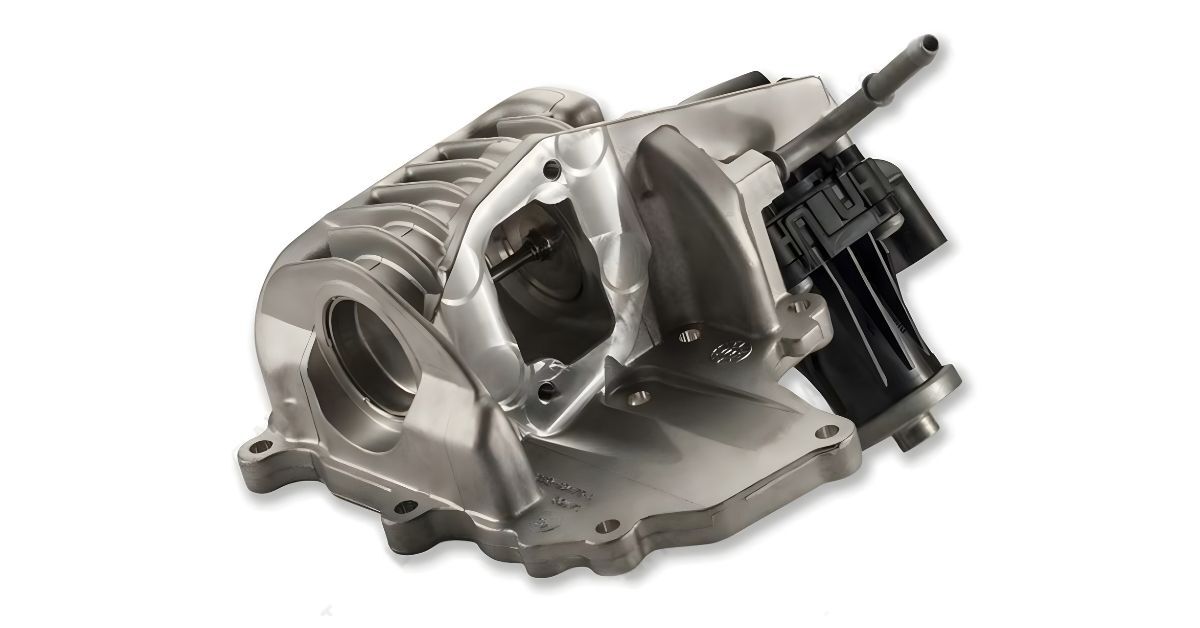
Start by parking your vehicle on a level surface and engaging the parking brake. Open the hood and disconnect the negative battery terminal to prevent electrical shorts during the repair. Locate the EGR valve, which typically sits on or near the intake manifold. Consult your vehicle’s service manual if you’re unsure of its exact position.
Once you’ve found the valve, disconnect any electrical connectors attached to it. Press the release tab and gently pull the connector away from the valve. Next, remove any vacuum hoses connected to the valve by loosening the clamps or pulling them off carefully. Label these hoses if needed to avoid confusion during reassembly.
Use your socket set to remove the bolts securing the EGR valve to the intake manifold. These bolts can be tight, especially if they’ve been in place for years. Apply steady pressure and avoid using excessive force, which could strip the threads or break the bolts. If a bolt refuses to budge, apply penetrating oil and let it sit for a few minutes before trying again.
Lift the old EGR valve away from the mounting surface. Inspect the gasket or O-ring for damage or carbon buildup. If the gasket is stuck to the manifold, scrape it off using a plastic scraper or gasket removal tool. Avoid using metal tools, as they can scratch the mounting surface and compromise the seal.
Clean the mounting area thoroughly with carburetor cleaner or brake cleaner. Wipe away any residue with a lint-free cloth. A clean surface creates a proper seal and prevents exhaust leaks after installation.
Position the new gasket or O-ring on the intake manifold, aligning it with the bolt holes. Place the new EGR valve on top of the gasket, making sure it sits flush against the mounting surface. Insert the bolts by hand to avoid cross-threading, then tighten them gradually in a crisscross pattern. This method distributes pressure evenly and prevents warping.
Use a torque wrench to tighten the bolts to the manufacturer’s specifications. Over-tightening can crack the valve or damage the manifold, while under-tightening can cause exhaust leaks. Refer to your service manual for the correct torque values.
Reconnect the vacuum hoses and electrical connectors, making sure they click securely into place. Double-check that all connections are tight and that no hoses or wires are pinched or kinked. Reconnect the negative battery terminal to restore power to the vehicle.
After the Replacement: Testing and Maintenance
Once you’ve completed the installation, start your engine and let it idle for a few minutes. Listen for unusual noises or vibrations that might indicate a problem. Check the area around the EGR valve for exhaust leaks. If you notice hissing sounds or see exhaust escaping, shut off the engine and recheck your work.
Take your vehicle for a short test drive to evaluate its performance. Pay attention to how the engine responds during acceleration and deceleration. The rough idling and hesitation you experienced before should be gone if the replacement was successful. Monitor your fuel economy over the next few days to confirm that the new valve has resolved the issue.
Perform a diagnostic scan to clear any trouble codes stored in your vehicle’s computer. Many auto parts stores offer free code scanning services if you don’t have your own scan tool. Clearing the codes resets the check engine light and allows you to confirm that the repair fixed the problem.
Maintain your EGR valve by keeping up with regular engine maintenance. Change your oil and air filter according to the manufacturer’s recommendations to reduce carbon buildup. Using high-quality fuel can also minimize deposits that clog the valve over time. Inspect the valve periodically for signs of wear or damage, especially if you frequently drive in stop-and-go traffic or tow heavy loads.
Keeping Your Engine Running at Its Best
Replacing an EGR valve improves your vehicle’s performance, fuel efficiency, and emissions output. By following these steps and using the right tools, you can tackle this repair with confidence. A properly functioning EGR valve keeps your engine running cleanly and efficiently, saving you money on fuel and preventing costly damage to other components. Regular maintenance and attention to warning signs help you catch problems early and keep your truck performing at its peak.