How To Troubleshoot and Fix 6.0 Powerstroke Turbo Issues
Estimated 0 min read
The 6.0 Powerstroke engine is known for its impressive power and performance, making it a favorite among diesel truck enthusiasts. However, even a beast like this comes with its own set of challenges, particularly issues with the turbocharger. The turbocharger is a key component responsible for boosting engine efficiency and power output, so when problems arise, they can lead to noticeable performance drops. This guide offers valuable insights on how to troubleshoot and fix 6.0 Powerstroke turbo issues.
Common Symptoms of Turbo Issues in the 6.0 Powerstroke
Identifying the warning signs of turbo problems early can prevent long-term damage to your engine. Typical symptoms include excessive smoke, loss of power, sluggish acceleration, and unusual noises from the turbo area. If you notice your check engine light turning on, it may also indicate that the turbo system requires attention. Left unaddressed, these issues could escalate, leading to more severe engine problems and costly repairs.
Over time, a malfunctioning turbo can cause increased strain on other engine components, potentially resulting in reduced fuel efficiency and a complete engine breakdown. Acting promptly not only saves money but also ensures your vehicle remains safe and reliable on the road.
What Causes 6.0 Powerstroke Turbo Problems?
Several factors contribute to turbo issues in this engine model. Carbon buildup within the turbo vanes is one of the most frequent culprits. The variable geometry turbocharger (VGT) in a 6.0 Powerstroke relies on moving parts to function properly, and carbon deposits can hinder their movement. Other causes include a failing unison ring, clogged exhaust or intake systems, leaking seals, or insufficient lubrication. Understanding the underlying cause is crucial to planning an effective repair strategy.
Diagnosing Turbo Problems in the 6.0 Powerstroke
Before jumping to conclusions, proper diagnosis is essential. Begin by conducting a physical inspection of the turbocharger, looking for obvious signs of damage, such as oil leaks, excessive soot, or physical wear on the turbine blades. You can also use a scan tool to check for error codes related to the turbo system. Codes such as P0299 (under boost condition) and P0046 (VGT actuator fault) often indicate issues with the turbocharger. Diagnosing the root cause will guide you toward the most appropriate fix.
For instance, imagine a vehicle experiencing poor acceleration and noticeable black smoke from the exhaust. Upon inspection, you might discover oil seeping from the turbo’s housing, paired with excessive play in the shaft. A scan tool then reveals a P0299 error code. This combination of findings might suggest a failing turbo oil seal and potential mechanical wear. By identifying these issues upfront, you can proceed with replacing the turbocharger and addressing any related lubrication problems, ensuring the upgraded system performs optimally.
Cleaning the Turbo To Reduce Carbon Buildup
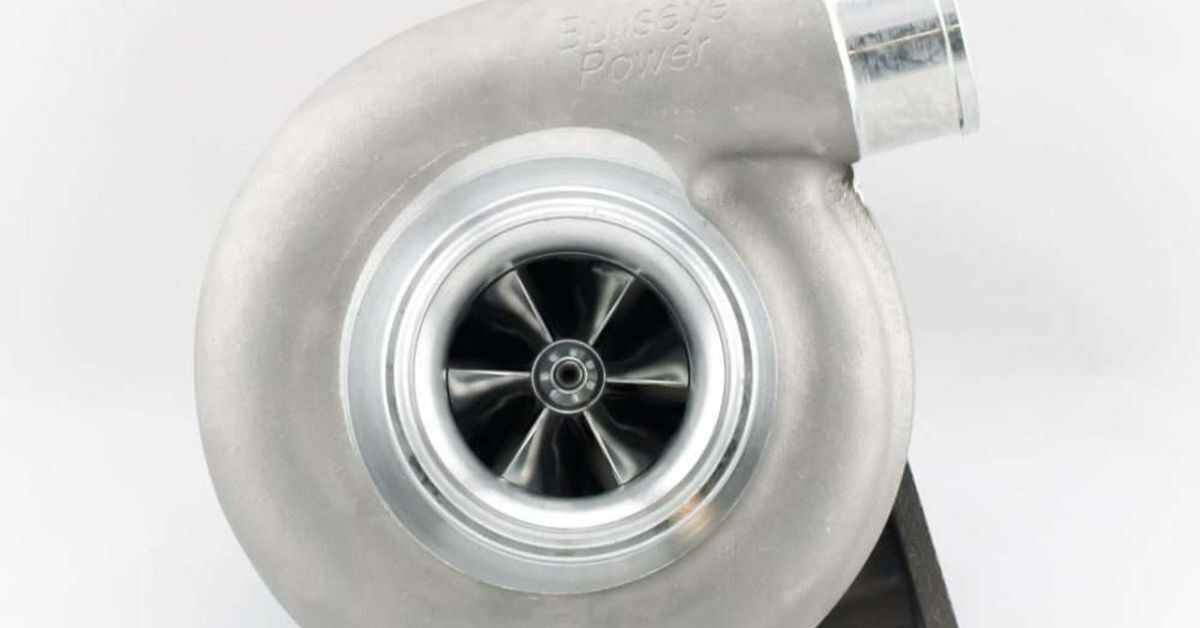
Carbon buildup is a common issue that can significantly affect how the turbo functions. Cleaning the turbocharger to remove these deposits is often a good first step in fixing performance problems. You can disassemble the turbo to clean the vanes, unison ring, and other affected components. If you’re not comfortable doing this yourself, consider taking it to a professional diesel mechanic for assistance. Regular maintenance and cleaning can go a long way in preventing future turbo issues.
Inspecting and Replacing the Unison Ring
The unison ring is a small but essential component in a 6.0 Powerstroke turbocharger, contributing to its overall performance. A worn or damaged unison ring can disrupt airflow and lead to inconsistent turbo operation. To repair this, you’ll need to remove the turbocharger and examine the unison ring for signs of wear or breakage. If a replacement is necessary, ensure you choose a high-quality part to enhance longevity and avoid future issues.
Checking the Exhaust and Intake Systems
A blocked or restricted intake or exhaust system can put excess strain on your turbocharger, leading to reduced performance. Inspect the air intake for clogged filters or obstructions and examine the exhaust system for soot buildup or blockages. Replacing clogged air filters and cleaning out the exhaust system can alleviate some of the stress placed on the turbo, improving overall engine performance.
Addressing Oil and Lubrication Problems
The 6.0 Powerstroke turbocharger relies on proper lubrication to function effectively. Insufficient or poor-quality oil can lead to overheating and wear on critical components within the turbo. Regularly inspect the oil supply to the turbocharger and fix any leaks or blockages. Using high-quality synthetic oil specifically recommended for your engine type can minimize wear and extend the life of your turbocharger.
When To Consider a Turbo Replacement
If a thorough inspection and minor repairs fail to resolve the issues, consider a turbo replacement. The 6.0 Powerstroke turbo upgrade market offers a range of options, from stock replacements to high-performance models designed to enhance engine efficiency and horsepower. A turbo upgrade can be an excellent investment for those seeking better performance and reliability in their trucks.
Upgrading to a Performance Turbocharger
For truck owners seeking to maximize their 6.0 Powerstroke's performance, upgrading to a performance turbocharger is a worthwhile consideration. A performance turbo not only resolves existing issues but also enhances your engine’s power output and overall efficiency. When selecting an upgrade, consider factors such as your truck’s intended use, budget, and compatibility with existing components. It’s always a good idea to consult with a diesel performance expert for personalized recommendations.
Regular Maintenance To Prevent Future Issues
Prevention is always better than a cure. Regular maintenance practices significantly reduce the likelihood of experiencing turbocharger problems. Clean or replace your air filters as needed, use high-quality engine oil, and avoid prolonged engine idling to minimize carbon buildup. Scheduling periodic inspections with a qualified mechanic can also help identify potential issues before they escalate.
Benefits of Keeping Your Turbocharger in Optimal Condition
Maintaining your turbocharger in peak condition goes beyond just preventing repairs. A well-functioning turbo significantly improves your vehicle’s performance, fuel efficiency, and overall driving experience. Additionally, staying on top of your turbo’s health also contributes to the longevity of your engine, ensuring that your 6.0 Powerstroke can deliver reliable performance for years to come.
Final Thoughts on Fixing 6.0 Powerstroke Turbo Issues
The turbocharger in your 6.0 Powerstroke is a vital component that directly impacts performance and efficiency. By identifying the underlying causes of turbo problems and addressing them promptly, you can restore your engine to its optimal functionality. Whether it’s cleaning the turbo, replacing worn components, or opting for a 6.0 Powerstroke turbo upgrade, taking a proactive approach can save you time, money, and frustration in the long run.
Remember, tackling turbo issues yourself is possible, especially if you’re familiar with diesel engines. However, don’t hesitate to seek professional help for more complex repairs or upgrades. With consistent maintenance and care, your 6.0 Power Stroke will continue to deliver the power and reliability you expect.
By following this guide, you’ll be better equipped to diagnose and fix turbo issues in your 6.0 Powerstroke engine, ensuring smooth performance and a reliable driving experience. If you’re considering an upgrade or looking for additional guidance, consult with a trusted diesel performance shop to make an informed decision.