How Turbochargers Impact Your Exhaust System
Estimated 0 min read
Turbochargers are like your car’s multitaskers—boosting performance while placing extra demands on your exhaust system. Understanding how turbochargers impact your exhaust system helps you optimize efficiency, extend your vehicle’s lifespan, and make smarter upgrades. A well-matched exhaust setup ensures your turbo runs cooler, spools faster, and delivers maximum gains.
The Relationship Between a Turbocharger and the Exhaust System
A turbocharger works by utilizing exhaust gases from your engine. These exhaust gases drive the turbo’s turbine, compressing air and sending it back to the engine. This compressed air allows your engine to produce more power without increasing fuel consumption. Think of this as repurposing your car’s “waste energy” to push it further, harder, and faster.
However, this magic doesn’t happen in isolation. The exhaust system plays a vital role in a turbo’s supply chain. A turbocharger can’t perform at its peak without a proper exhaust flow. Unfortunately, a poorly suited or clogged exhaust setup can restrict turbo performance, turning that potential power into wasted opportunity.
Increased Exhaust Flow Requirements
Turbochargers demand a significant increase in exhaust flow compared to naturally aspirated engines. When your turbo is spinning to produce an extra boost, it generates more exhaust gases. These gases must exit the engine quickly and efficiently. If the exhaust system can’t keep up, back pressure builds, which can choke performance and lead to overheating.
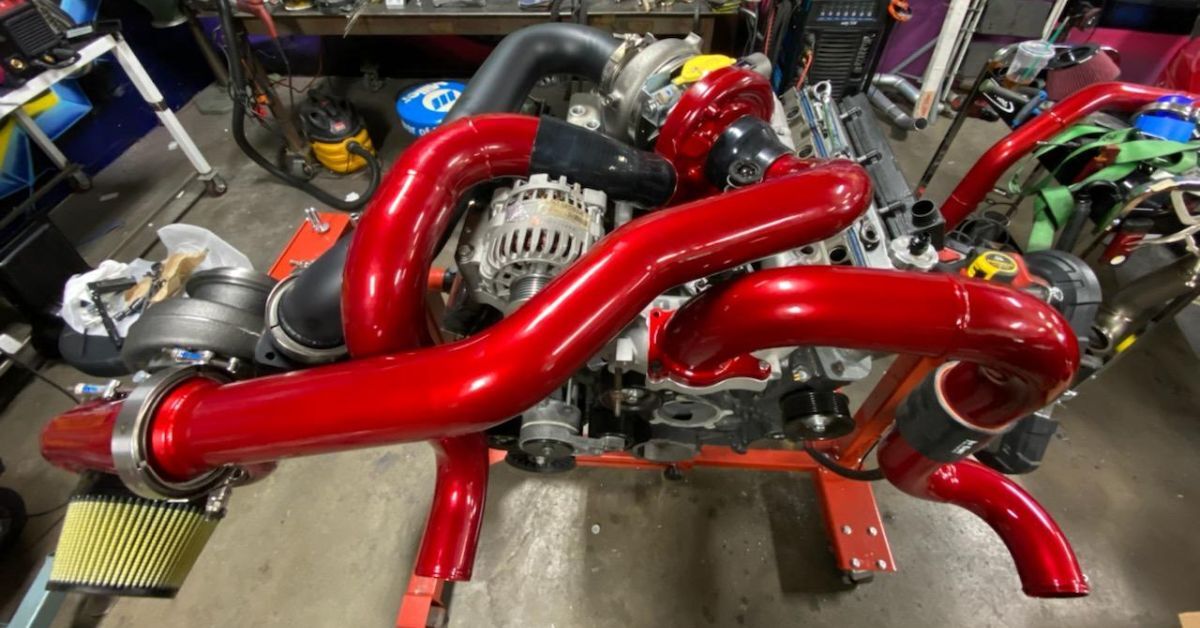
Modern aftermarket enthusiasts tuning their cars or making a Ford 6.0 turbo upgrade find that upgrading the exhaust system is just as important. A larger downpipe or high-flow catalytic converter can handle that increased pressure without allowing performance to take a hit.
Turbo Lag and Your Exhaust System
Turbo lag is a term dreaded by enthusiasts. It refers to the delay between hitting the throttle and the turbo reaching its effective boost point. Believe it or not, your exhaust system factors into this equation.
A restrictive exhaust can cause the turbo to spool slower because the gases face resistance on their way out. Switching to a more free-flowing exhaust setup allows the turbo to spin faster, reducing lag. The result? A throttle response that feels snappier, something every driver can appreciate.
Heat Management and Exhaust Materials
Turbochargers generate high heat as they compress air and force it into your engine. This heat travels into the exhaust system, which means your pipes, manifolds, and catalytic converters must withstand elevated temperatures.
Using high-grade materials like stainless steel or ceramic-coated components is crucial for vehicles with turbochargers, especially heavily modified ones. Standard materials on stock exhaust systems can quickly degrade under turbocharged conditions, leading to premature wear and inefficiency.
Heat buildup also impacts adjacent engine components. Without proper exhaust heat management, such as heat shields or wraps, your under-hood temperatures can soar, potentially affecting wiring, sensors, and other nearby parts.
Increased Wear and Maintenance
Adding a turbocharger to your system means more moving parts, more pressure, and more maintenance. The exhaust system, already exposed to some of the harshest conditions in your car, sees a greater share of stress. Over time, this added strain can lead to cracks in exhaust manifolds or leaks in connecting points.
For anyone running higher-than-stock boost levels, performance upgrades that strengthen the system’s durability are worth considering. For example, reinforced flanges or V-band clamps create tighter and longer-lasting seals.
Noise Dynamics With a Turbocharger
Move over, quiet exhaust systems. Turbochargers change the acoustics of your vehicle, typically for the better. The turbo is an additional muffler, smoothing out and damping exhaust noise. This is why turbo cars tend to have an iconic whoosh or whistle rather than a growling roar.
Upgraded exhausts often enhance these sounds, striking a balance between aggressive and refined. However, maintaining balance prevents you from going too loud, which could introduce drone or vibrational noise at higher RPMs. Proper exhaust tuning and resonators ensure the harmonious performance of turbocharged vehicles without sacrificing daily driving comfort.
Catalytic Converters and Turbo Systems
One overlooked area of exhaust-turbo interaction is the role of the catalytic converter. Turbos push high-pressure gases through the exhaust, which means a clogged or undersized catalytic converter is a significant roadblock. For cars undergoing performance upgrades, swapping for a high-flow cat or even a straight-pipe setup can free up some performance.
That said, balance is key. Straight pipes may offer maximum flow but can negatively affect emissions compliance and sound tolerance. Finding the right catalytic option maintains both performance gains and legality for peace of mind.

Fuel Efficiency With Turbocharged Exhaust Systems
Turbochargers increase power while keeping fuel consumption relatively low, earning widespread praise. However, the right exhaust system is vital to reaping those benefits.
A high-performance exhaust allows for better turbo response and ensures that your air-fuel ratio stays optimized under boost conditions.
Poor exhaust flow reduces turbo efficiency and inadvertently increases fuel consumption.
With higher fuel prices, every ounce of increased efficiency your turbocharged system can provide is worth it. Pairing turbo upgrades with supporting exhaust components ensures you maximize miles per gallon.
Post-Turbo Exhaust Configurations
Another critical area to consider is what happens to the gases after they’ve passed through the turbo. Your exhaust system’s downpipe and mid-pipe sections now play a much more influential role.
Manufacturers often optimize stock exhaust configurations for quieter performance and emissions compliance rather than maximum efficiency. Combined with a turbocharger, they can become bottlenecks, restricting airflow and limiting engine potential.
The solution? Switch to aftermarket performance systems designed to work seamlessly with turbochargers. These systems utilize larger pipe diameters and aerodynamic bends to remove restrictions and balance exhaust flow.
Turbo Tailpipe Tweaks
The tailpipe is the last stop for your exhaust gases, but even here, your turbocharged setup deserves attention. Turbos push exhaust gas out with greater velocity, which means your stock muffler may not be up to snuff for handling that flow efficiently.
Performance mufflers reduce back pressure while maintaining some noise regulation, ensuring your car doesn’t sound like a jet engine taking off. It’s the finishing touch to a system designed for maximum results for turbocharged vehicles.
Wrapping It All Up
The relationship between turbochargers and exhaust systems is a sophisticated interplay of airflow, pressure, and temperature. Optimizing both systems in tandem improves performance and enhances reliability, efficiency, and overall driving experience. A balanced turbocharger-exhaust setup transforms vehicle performance, reducing turbo lag and managing heat.
Ultimately, understanding how turbochargers impact your exhaust system will empower you to take full control of your automotive aspirations. Because, as every driver knows, every component matters in the pursuit of better performance.