The Importance of Fuel Pressure in a Diesel Engine
Estimated 0 min read
You've spent hours researching parts, comparing specs, and planning your diesel build. However, there's one aspect that even experienced builders often overlook: fuel pressure. The importance of fuel pressure in a diesel engine extends far beyond delivering fuel from point A to point B.
Think of it as the heartbeat of your entire system. Get it wrong, and you'll chase problems for months. Get it right, and everything else falls into place. Your injectors need precise pressure to atomize fuel properly. Too little pressure, and you get incomplete combustion. Too much, and you risk damaging components that are expensive to replace.
Diesel engines operate differently from their gas-powered cousins. They rely on compression ignition, which means fuel delivery timing and pressure matter more than most people realize. You can't simply install upgraded injectors and consider the job done. The whole system needs to work together, and fuel pressure sits right at the center of that equation.
Why Fuel Pressure Matters More Than You Think
Diesel fuel doesn't ignite from a spark. It ignites due to the heat generated by compression. That means your engine relies on precisely timed fuel injection at the exact right pressure. When pressure drops below spec, your injectors can't atomize fuel properly. You end up with bigger droplets that don't burn completely, creating excessive smoke, cutting your power, and wasting fuel.
On the other hand, excessive pressure can also cause its own headaches. Your injectors can't handle pressure beyond their ratings. Push them too hard, and you'll wear out seals, damage tips, and create inconsistent spray patterns. Then you're looking at a complete injector replacement, which isn't cheap.
Proper fuel pressure also protects your high-pressure fuel pump. This component performs adequately under normal conditions. When it struggles against incorrect pressure, it wears out faster.
How Fuel Pressure Affects Engine Performance
The performance of your diesel engine depends on the quality of the fuel delivery. When fuel pressure remains within spec, your engine produces power smoothly across the RPM range. The combustion process occurs efficiently, temperatures remain controlled, and everything feels well-organized.
Drop that pressure even slightly, and you'll notice the difference immediately. The acceleration feels sluggish. Your turbo takes longer to spool. The engine might hesitate when you hammer the throttle. These symptoms indicate that the combustion process isn't happening correctly. Insufficient pressure means fuel doesn't atomize into the fine mist your engine needs.
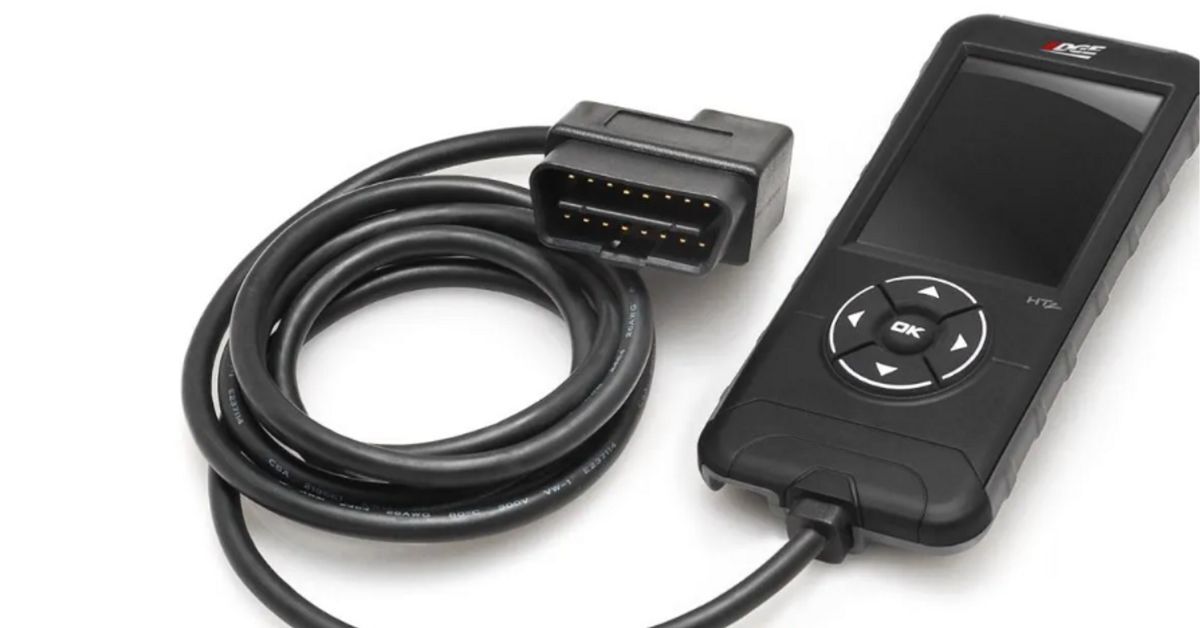
Instead, you get larger droplets that burn slowly and incompletely. High-performance builds feel these pressure issues even more. When you've installed a 24V Cummins Tuner and upgraded your turbo, your engine uses more air. That means it needs more fuel delivered at a precise pressure to match the requirements.
Your stock fuel system might've handled things fine before, but now it struggles. As a result, you lose the performance gains you paid for. Temperature management also depends on correct fuel pressure. Proper atomization creates efficient combustion, which produces less excess heat.
When pressure drops and combustion suffers, exhaust gas temperatures climb. That threatens your turbo, your pistons, and eventually your entire top end.
Common Fuel Pressure Problems and Their Causes
Fuel pressure issues manifest in various ways. Sometimes, you'll notice the engine is hard to start, especially when it's cold. At other times, you may notice excessive smoke or hear unusual noises from the fuel system. These problems don't appear randomly. They have specific causes you can track down. Here are the usual suspects behind fuel pressure problems:
- Clogged fuel filters: Dirty filters restrict flow and drop pressure. Replace them on schedule, not when problems start.
- Failing lift pump: This pump feeds your high-pressure pump. When it weakens, the whole system suffers.
- Worn injectors: Age and contaminants wear out injector tips, changing their spray patterns and pressure requirements.
- Air in the fuel system: Even small air leaks cause pressure fluctuations and rough running.
- Faulty pressure regulator: This component maintains system pressure. When it fails, pressure swings wildly.
Contaminated fuel causes more problems than most people realize. Water, dirt, and biological growth in diesel fuel damage components throughout your system. Your filters catch some of it, but not all of it.
Quality fuel from reputable stations can help prevent most of these issues. Mechanical wear happens, too. Seals deteriorate, O-rings harden, and metal surfaces wear over time. You can't ignore these components and expect them to work forever.
Testing and Monitoring Your Fuel Pressure
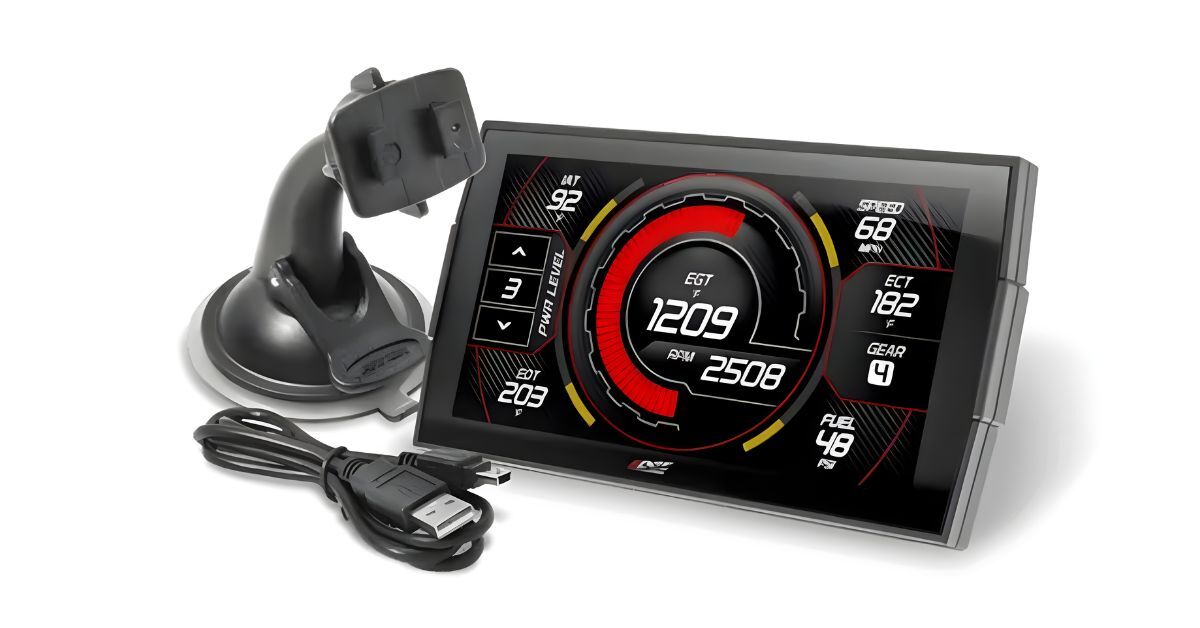
You need data, not guesses. Install a high-quality fuel pressure gauge in a location that is easily visible. Mechanical gauges work fine for basic monitoring. Electronic gauges with data logging help you track pressure changes over time and under different conditions.
Test your fuel pressure at idle first. Compare your reading to factory specs for your specific engine. Then test it under load. The pressure should stay consistent as RPMs climb. If it drops off, you've found your problem area.
Most diesel trucks have a fuel pressure port on the fuel rail or filter housing. You can tap into this for testing without significant modifications. Ensure that you use proper fittings and seal everything correctly.
Fuel leaks create fire hazards and make your truck smell like a refinery. Monitor the pressure during hard acceleration as well. This acceleration stresses your fuel system more than steady cruising. If the pressure can't keep up when you're on the throttle, you need to make upgrades before you damage something.
Cold weather testing reveals hidden problems. Diesel fuel thickens when temperatures drop, which increases demand on your fuel system. Pressure that appears fine in the summer may drop below spec in the winter. Perform basic tests across seasons if you live somewhere with real temperature swings.
Maintain Proper Fuel Pressure for Peak Performance
Prevention beats repair every time. Start with regular maintenance. Change your fuel filters based on your usage, not just the service interval. If you tow heavy loads or drive your truck hard, you’ll need more frequent oil changes.
Quality matters here. Cheap filters may save a few bucks, but they risk incurring expensive damage. Use your lift pump wisely. Stock lift pumps work fine for stock applications. However, when you modify your engine for more power, you need a pump that can keep up.
Aftermarket lift pumps flow more volume at higher pressure. This increased volume feeds your high-pressure pump properly and protects your whole system. Pay attention to your fuel quality. Run premium diesel when you can. Add a quality fuel additive that lubricates your injection system and prevents biological growth.
These products cost pennies per tank but protect thousands of dollars' worth of components. Watch for warning signs between service intervals. Unusual noises, smoke, or performance changes mean something's wrong. Catch problems early, and you’ll spend less money fixing them. Ignore them, and you'll pay for major repairs.
Keep your fuel tank reasonably full. Running on fumes draws sediment from the bottom of your tank straight into your fuel system. That contaminates filters and injectors faster than anything else. Fill up before you hit a quarter tank, especially on older trucks with original fuel tanks.
Fuel Pressure: Your Diesel Engine's Best Friend
Simply put, it's impossible to overstate the importance of fuel pressure in a diesel engine. Your entire performance envelope depends on delivering fuel at the right pressure, at the right time, in the right quantity. Mess up any part of that equation, and you'll feel it immediately.
Whether you're running a stock daily driver or a modified performance build, fuel pressure deserves your attention. Monitor it regularly, maintain your system properly, and address any issues promptly. Your diesel engine will reward you with reliable power, better fuel economy, and fewer expensive repairs.
At Blessed Performance, we stock the fuel system components you need to keep your diesel running strong. From lift pumps to pressure regulators, we've got the parts that serious builders trust.