Understanding the Basic Factors of Engine Performance
Estimated 0 min read
Many car enthusiasts would agree that the engine isn’t just a lump of metal under the hood; it’s the beating heart of the vehicle. Understanding the basic factors of engine performance is essential, whether you’re tinkering in your garage, heading to a car meet, or turning wrenches in your shop. It separates an average car from one that sets your pulse racing. If you’ve always been curious about how the magic happens under the hood, here’s your chance to break it into digestible chunks.
What Does Engine Performance Mean?
Engine performance refers to how well an engine converts fuel into energy to move the vehicle. This includes horsepower, torque, fuel efficiency, and responsiveness.
Each element contributes to the car’s operation, whether it’s the exhilarating acceleration or the steady hum on a long road trip. By understanding these basic elements, you can make informed decisions about upgrades, maintenance, and modifications that affect your vehicle.
How Horsepower Affects Performance
You’ve probably heard the phrase, “This engine has 300 horsepower,” but do you know what that means? Horsepower measures the amount of work an engine can do over time. The more horsepower an engine can produce, the faster the vehicle can go.
One of the most effective ways to boost horsepower is by investing in a high-quality tuner for 2007 5.9 Cummins engines. You can optimize engine settings for better fuel efficiency, increased power, and improved throttle response. Horsepower is a critical benchmark for engine performance, giving car buyers bragging rights and gearheads something to debate over.
Why Torque Matters
While horsepower often steals the spotlight, torque also contributes to engine performance. Torque refers to the rotational force produced by the engine. It keeps your car from a standstill and helps you haul heavy loads or climb steep inclines. Where horsepower shines at high speeds and top-end performance, torque handles the grunt work at low RPM.
Imagine two cars at a red light; one has high horsepower, and the other has high torque. The one with high torque will launch off the line quicker, and the horsepower-heavy car will catch up later. This balance of power and force illustrates why torque should always be part of the conversation when evaluating engine performance.
Combustion Efficiency and Air-Fuel Ratios
For an engine to work effectively, it has to optimize combustion. The process involves mixing air and fuel in the right amounts for combustion inside the engine’s cylinders. Messing up this ratio can lead to less power and lower fuel efficiency or long-term damage to the engine.
A stoichiometric air-fuel ratio (14.7 parts air to one part fuel for gasoline engines) is ideal. However, turbocharging or aggressive tuning may require “richer” mixes with more fuel. Balancing air and fuel is critical for squeezing every bit of performance out of an engine while maintaining its reliability.
The Role of Compression Ratio
The engine measures how much it compresses the air-fuel mixture in the cylinder before ignition. Engines with high compression ratios are generally more efficient and produce more power than other types because they extract more energy from combustion.
Most naturally aspirated gasoline engines have a compression ratio of around 8–12, while diesel engines exceed 20. The catch is high compression ratios require higher-octane fuel to prevent knocking. Fuel type and quality are important choices for performance-focused drivers.
How Forced Induction Adds a Boost to Power
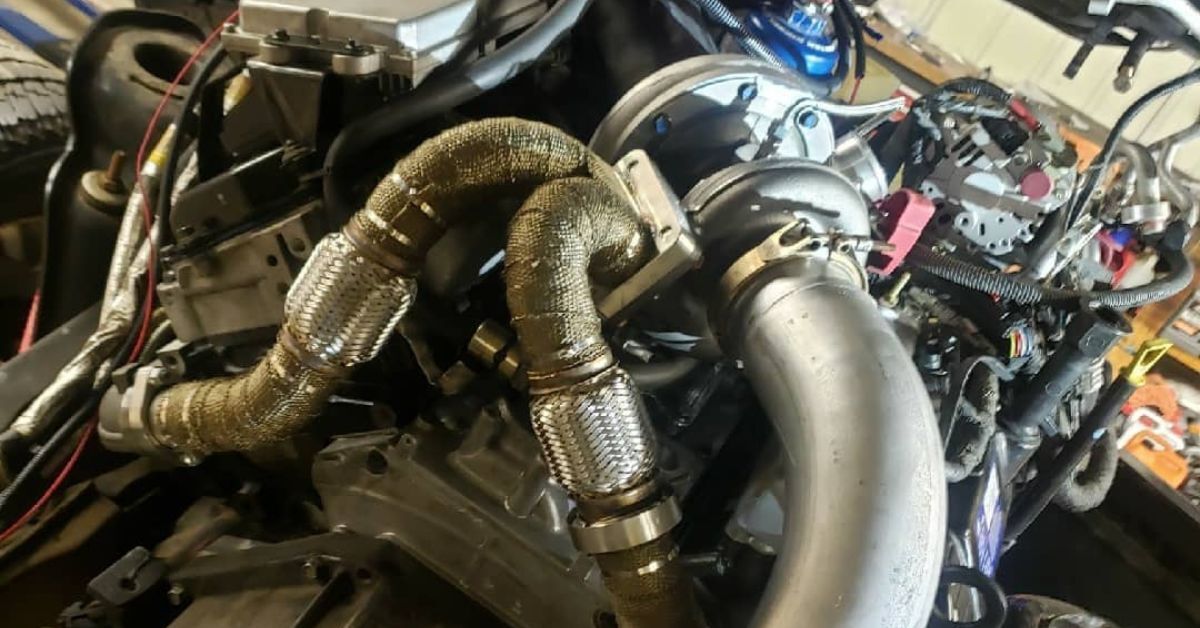
If you want to take engine performance to the next level, forced induction is the way to go. Installing turbochargers or superchargers is a popular method of compressing air into the engine, allowing it to burn more fuel and produce more power. Turbochargers use exhaust gases to spin a turbine, while superchargers are belt-driven from the engine itself.
Both have their merits; turbochargers are more efficient and provide boosts at high RPM, while superchargers offer immediate power gains, regardless of engine speed. Understanding forced induction is essential for anyone considering performance upgrades or dreaming of track-day domination.
The Impact of Engine Size and Configuration
Other considerations in engine performance are size and layout. Engine displacement, measured in liters or cubic inches, indicates the total volume of air-fuel mixture that the cylinders can hold. Large engines produce more power than smaller models because they can burn more fuel during each cycle. That’s why V8s and V12s have a reputation for jaw-dropping performance.
Technological advancements mean smaller engines, such as turbocharged inline-4s, are closing the gap and offering impressive power outputs and fuel efficiency. It’s no longer about the biggest engine but how effectively it uses its resources.
The Influence of Modern Engine Electronics
Modern engines are marvels of technology, and much of that comes down to electronics. Engine control units (ECUs) are the brains of the operation, regulating ignition timing and fuel injection and maintaining optimal operating conditions. Sophisticated ECUs can adapt to changing environmental conditions, such as altitude or temperature, to fine-tune performance on the go.
ECU tuning, or “re-mapping,” is a common aftermarket modification that allows you to unlock hidden potential in your vehicle’s engine. Whether increasing boost pressure on a turbocharged engine or refining throttle response, electronic enhancements have made modern engines exponentially smarter and more capable.
Weight and Aerodynamics Play Their Part
Weight and aerodynamics play critical roles in engine performance. No matter how powerful the engine is, it has to contend with the laws of physics. A vehicle with a lightweight engine will accelerate quickly, while streamlined aerodynamics minimize drag for better efficiency and top-end speed.
Performance cars feature lightweight materials, such as carbon fiber and aluminum, and sleek designs crafted in wind tunnels to reduce resistance. Engineers know that extracting every ounce of performance doesn’t just happen under the hood but across the entire build!

Maintenance for Peak Performance
No discussion of engine performance is complete without addressing maintenance. Even the most powerful engines require consistent care to run at their best. Regular oil changes, air filter replacements, and spark plug maintenance ensure your engine performs as designed. Neglecting these basics can reduce efficiency and power and cause damage.
Investing in the right tools and diagnostic equipment can help you identify issues before they worsen. For the DIY mechanics out there, understanding an engine’s needs can save time and money while preserving performance.
Bringing It All Together
Understanding the basic factors of engine performance is all about balancing power, efficiency, and reliability. Whether you’re gearing up for a weekend track session or want a smoother ride to work, understanding these factors can guide your decisions.
The next time you pop the hood, remember that the engine is an intricate system designed to deliver speed and power. By appreciating what goes into its performance and taking care of the fundamentals, you’ll keep it running strong.