Understanding the Parts of a Powerstroke Engine
Estimated 0 min read
The Powerstroke engine has long been a favorite among truck enthusiasts and professionals, thanks to its unmatched combination of durability and performance. To truly appreciate what makes these engines so efficient, we must examine their components and understand how each one contributes to the overall system. Together, these parts power some of the most impressive vehicles on the road.
Powerstroke engines are renowned for their robust design and efficiency, especially in heavy-duty applications. This guide takes you deeper into understanding the parts of a Powerstroke engine, its anatomy, and functionality as an engineering marvel.
The Block
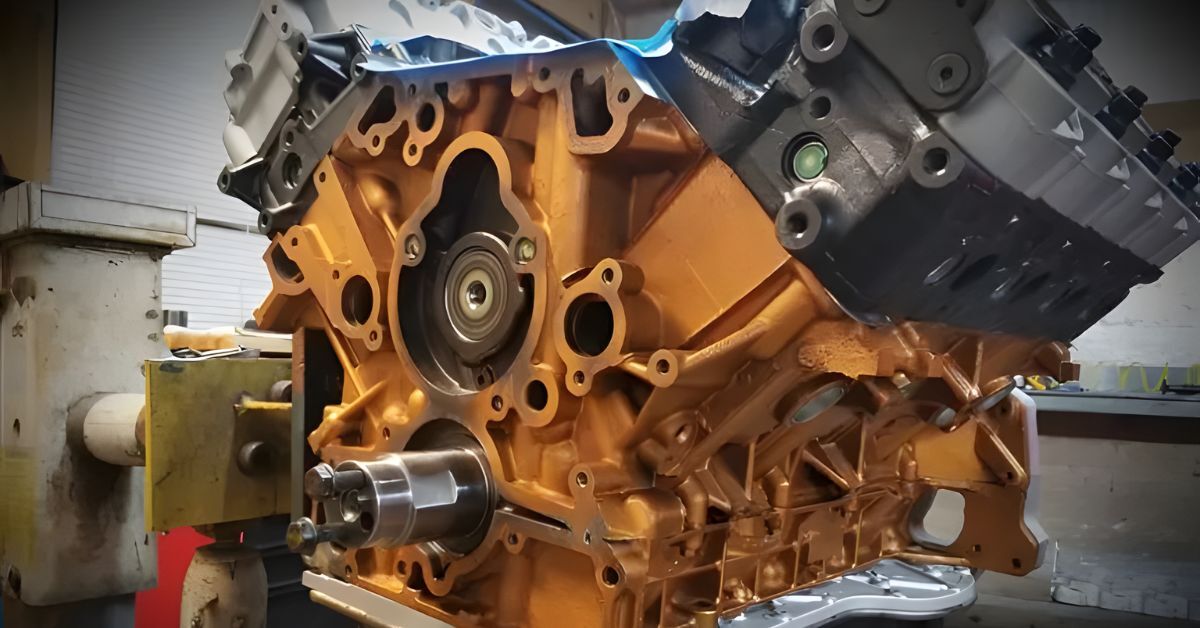
Every great engine starts with its block, and the Powerstroke is no exception. The block serves as the foundation, housing critical components such as cylinders, pistons, and cooling passages. Built from high-strength materials, the block ensures the entire engine can withstand immense pressure and heat.
For instance, when hauling heavy loads, the block prevents deformation, allowing the engine to maintain its integrity. This toughness is among the reasons Powerstroke engines are trusted in demanding situations, from towing trailers to enduring off-road conditions.
Pistons and Cylinders
Within the block sit pistons and cylinders. Cylinders serve as the combustion chambers, where diesel fuel is ignited to generate energy. The pistons move up and down to convert this energy into linear motion. This motion eventually transforms into rotational energy, which powers the truck’s drivetrain.
To illustrate, imagine the pistons in a Powerstroke engine firing rhythmically, generating incredible amounts of torque. Whether accelerating onto the highway or powering through uneven terrain, the pistons and cylinders work tirelessly to ensure the vehicle moves with purpose.
The Crankshaft
Connected to the pistons, the crankshaft converts motion into the rotational force that turns the wheels. Positioned at the lower part of the engine, the crankshaft features specific balancing mechanisms to handle vibrations and high-speed rotations smoothly.
For example, in a well-maintained Powerstroke engine, you’ll notice minimal vibrations even at higher RPMs, thanks to a perfectly balanced crankshaft. This results in a smoother ride for the driver, even when carrying heavy payloads.

Turbocharger
A standout feature of any Powerstroke engine is its turbocharger. Compressing more air into the cylinders, the turbo enhances combustion efficiency and boosts power output. This enables the engine to produce greater horsepower without requiring an increase in engine size.
Picture driving up a steep incline with a full trailer in tow. The turbocharger ensures your engine has the added power to climb effortlessly, while maintaining fuel efficiency. For those driving vehicles powered by a 6.0 Powerstroke motor, the turbocharger plays a crucial role in supporting performance under pressure.
Fuel Injection System
The fuel injection system delivers diesel fuel to the engine with precise timing and accuracy. Modern Powerstroke engines employ advanced direct injection technology, ensuring fuel is atomized and distributed uniformly within each cylinder.
Consider a scenario where accurate fuel delivery ensures efficient combustion. Not only does this enhance engine performance, but it also minimizes emissions, making Powerstroke engines an environmentally conscious choice compared to older models.
Oil System
Lubrication is critical in maintaining the performance and longevity of a Powerstroke engine. The oil system ensures all moving parts are adequately lubricated, reducing friction and preventing premature wear. Additionally, it facilitates heat dissipation, maintaining stable internal temperatures during operation.
Envision a long-distance trip with constant engine use. The oil system works diligently to circulate oil, ensuring that every moving component stays protected and performs flawlessly, regardless of the drive’s duration or intensity.
Air Intake and Exhaust Systems
The air intake and exhaust systems are like lungs for the Powerstroke engine. The intake system ensures a steady supply of fresh, oxygen-rich air to the cylinders, while the exhaust system efficiently expels gases, maintaining clean combustion cycles.
For instance, an efficient air intake system coupled with a high-functioning exhaust reduces back pressure. This not only enhances fuel economy but also allows the engine to perform optimally over extended periods.
Engine Control Module
The Engine Control Module (ECM) serves as the brain of the Powerstroke engine, coordinating all its functions. It gathers data from various sensors and adjusts parameters such as fuel delivery, turbo boost, and ignition timing to achieve peak performance.
Imagine driving through a range of conditions, from city streets to open highways. The ECM dynamically adapts engine settings to provide the best balance of fuel efficiency, power, and emissions control.
Cooling System
The cooling system plays a vital role in preventing the engine from overheating by actively regulating its temperature throughout operation. It works by circulating coolant through the engine block, where the fluid absorbs excess heat generated by combustion and friction. This heated coolant then flows to the radiator, where it releases the heat into the air before returning to the engine to repeat the cycle. This continuous loop ensures that the engine maintains an optimal operating temperature, preventing damage to internal components and preserving performance.
The importance of the cooling system becomes especially apparent under demanding conditions. Consider a hot summer day in North Carolina, and you're towing a trailer uphill or sitting in heavy traffic with the air conditioning running full blast. In these scenarios, your Powerstroke engine produces extra heat and stress, but thanks to the cooling system, it can continue running efficiently and reliably. Without a properly functioning system, these situations could quickly lead to overheating, warped components, or even complete engine failure.
Glow Plugs
Diesel engines, such as the Powerstroke, rely on glow plugs to ensure efficient ignition, especially in cold weather. They preheat the cylinders, making the initial combustion process smoother and quicker.
Glow plugs are essential because diesel fuel requires higher temperatures to ignite compared to gasoline, particularly when ambient conditions are low. Without them, starting the engine can be delayed or result in incomplete combustion, leading to rough idling or excessive emissions.
Think of a chilly winter morning. While other engines might struggle to start, the glow plugs in your Powerstroke ensure smooth ignition, showcasing their importance in reliable diesel performance.
The Transmission Connection
Lastly, the connection between the Powerstroke engine and the transmission cannot be overlooked. Together, they form a seamless power delivery system, ensuring that the vehicle responds aptly to the driver’s demands.
For instance, when you’re merging onto a highway, the partnership between the engine and transmission delivers both the power and control needed for confident acceleration.
Powerstroke engines combine innovation, precision design, and durability, making them a top choice among heavy-duty vehicles.
By understanding the parts of a Powerstroke engine and their roles, you gain a deeper appreciation of the engineering behind these machines. It’s this detailed orchestration that enables Powerstroke engines to deliver exceptional performance on the road, at the job site, or wherever adventure takes you.