Ways To Reduce CO2 Emissions From Your Powerstroke
Estimated 0 min read
Your truck’s performance is about more than torque and horsepower. Part of responsible ownership means ensuring your vehicle has fewer negative effects on the environment. While Powerstroke engines are remarkable and well-loved for their power and durability, they significantly contribute to CO2 emissions while in operation.
Fortunately, there are several ways to reduce CO2 emissions from your Powerstroke without sacrificing power or efficiency. If you’re driving a model like the Ford 6.0 Powerstroke, these adjustments also improve your driving and working experience, making your truck eco-friendlier and cost-effective. Here’s a guide to helping your Powerstroke pump out less CO2 without compromising its capabilities!
Understanding CO2 and Your Powerstroke
So how does your engine contribute to emissions? Diesel engines offer great efficiency. Unfortunately, they also release plenty of CO2 (and other gases) as they burn fuel. The key to reducing emissions lies in enhancing fuel efficiency, optimizing combustion, and implementing upgrades that minimize the gaseous waste produced. Here are several steps that clean up your truck’s emission profile while keeping it running strong.
Upgrade Your Tuning With the Right Tools
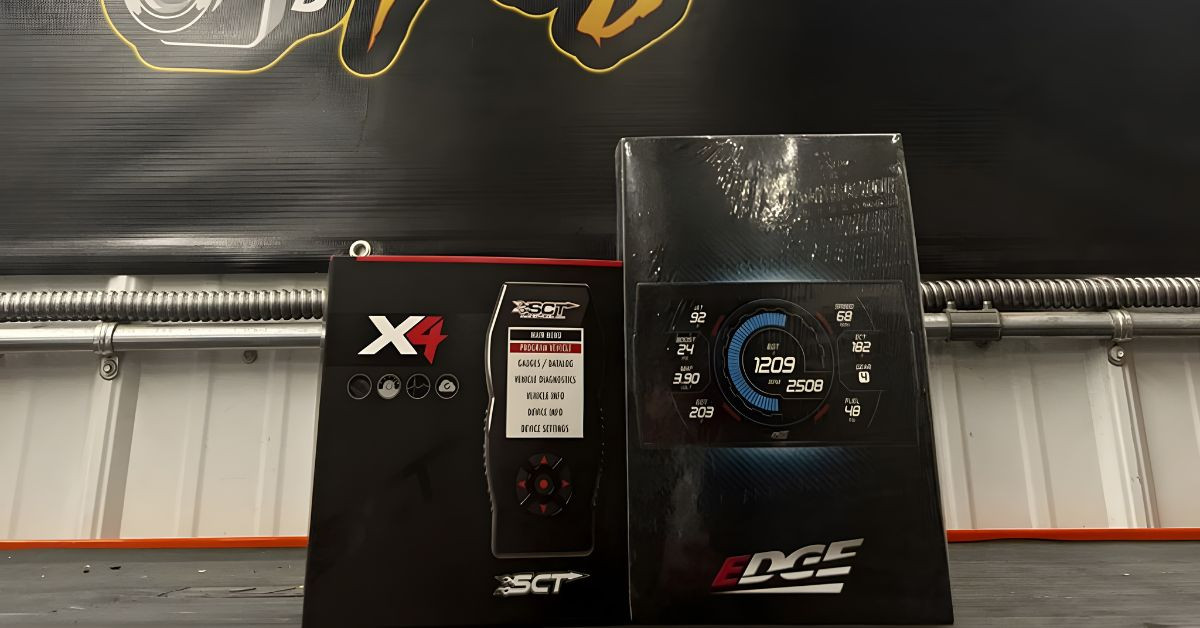
Proper engine tuning lowers emissions while boosting performance. Tuning involves changing the factory presets in your truck’s onboard computer, which dictates levels of fuel use and more. Modern tuners let you adjust your vehicle’s settings for optimal efficiency. Tuners like the 2007 6.0 Powerstroke tuner grant greater control over engine parameters, optimizing air-fuel mixture to ensure cleaner combustion. A quality tuner modifies engine performance with precision, ultimately diminishing emissions, increasing mileage, and extending the life of your engine. Be careful in your tuner choice, however, as not all tuners are the same. Consult with your mechanic to find and install the right tuner.
Use High-Quality Diesel and Additives
Fuel quality directly influences how much CO2 an engine emits. Premium diesel burns cleaner than its cheaper counterparts, producing fewer pollutants. Take things a step further and employ diesel fuel additives to enhance combustion. Several additives improve fuel burn efficiency while cleaning your fuel injectors. This minimizes or prevents deposits that lead to inefficient operation. Cleaner burning fuel means less carbon exiting your tailpipe in the form of CO2. Optimizing fuel quality keeps emissions down while protecting your engine from extra wear and tear, extending its lifespan and saving you money on maintenance and repairs.

Maintain the EGR System
The exhaust gas recirculation (EGR) system is an important component for reducing emissions. The EGR system recirculates a portion of your exhaust gases back into the combustion chamber. This keeps nitrogen oxide levels down while lowering the amount of unburned fuel emitted. Over time, deposits clog the EGR system, causing inefficiency and higher emissions output. Regularly cleaning your EGR valve and upgrading to a high-performance kit boosts your truck’s ability to not flood the ecosystem with CO2. A noticeable decrease in mileage, black smoke from the exhaust, and poor engine performance are common signs of a dirty EGR system. Keep your system in top shape—it’ll drive and work better while helping the environment.
Switch to a Low-Resistance Air Filter
Aid fuel efficiency and lower emissions by improving the airflow in your engine. A steady supply of clean air improves throttle response and horsepower—perfect for truck enthusiasts who want great performance and cleaner emissions. Standard air filters are often restrictive and become clogged quickly. High-performance, low-resistance air filters, on the other hand, permit more oxygen to enter the combustion chambers. This optimizes the air-fuel mixture and promotes cleaner burning. What’s more, high-performance air filters last longer and are reusable, cutting down on waste and saving money.
Stay on Top of Regular Maintenance
If you want to destroy your vehicle, don’t take care of it. Skipping basic maintenance and not adhering to a maintenance schedule is a sure way to hurt your engine. Perform basic maintenance on time. Otherwise, you risk inefficient combustion and higher CO2 emissions. Routine maintenance ensures every part of your truck operates at peak efficiency. Focus on key procedures, such as:
- Oil changes. Use only high-quality oil grades to enhance engine performance.
- Cleaning and inspecting fuel injectors so they produce a better spray.
- Regularly replacing oil and air filters, which ensures clean operations.
- Maintaining tire pressure. Underinflated tires increase drag and fuel consumption, increasing CO2 production through overworked engines.
A properly maintained engine is good for the environment and your bank account as well!

Upgrade to a Performance Exhaust System
A performance exhaust system enhances your engine’s sound while also improving its emissions output. A high-performance exhaust system eliminates back pressure and improves flow. That means your engine expels waste gases more efficiently and burns fuel more completely, resulting in fewer emissions. Consider upgrading the catalytic converter and diesel particulate filters as well to help Powerstroke engines reduce CO2 and clean up emissions. Explore and ensure you pick systems that are compatible with Powerstroke models, like the 2007 6.0, to get maximum benefits.
Consider Bio-Diesel and Other Renewable Diesel Options
Biodiesel and renewable diesel have become far cleaner and more accessible alternatives to traditional diesel. Running your Powerstroke on biodiesel decreases the amount of CO2 your engine generates, as the fuel itself emits lower amounts of greenhouse gases. Before you make the switch, check with your manufacturer or mechanic to ensure your engine is biodiesel-compatible. However, many modern diesel trucks, including many Powerstroke models, can handle bio-diesel blends without issue. As a bonus, renewable diesel produces better engine performance in addition to being eco-friendly.
Drive Smarter
Driving habits significantly influence how much CO2 your truck generates. Aggressive acceleration, heavy towing, and high-speed driving lead to greater fuel consumption and higher emissions. Be smarter and safer in your driving habits. Maintain steady throttle control and avoid frequent stops and starts. Also, while you may want to test your truck’s towing capacity, you should keep loads light or at least below the limits. If your vehicle has cruise control, use it to maximize fuel use. Small adjustments to driving habits make a difference to the environment, your expenses, and your vehicle’s condition and performance.
Those are just a few ways to reduce CO2 emissions from your Powerstroke. Sustainability doesn’t mean sacrificing power—it’s about driving smarter. Take the first steps today and watch both your performance and eco-consciousness soar!