What To Know About 6.0 Powerstroke Turbo Lag
Estimated 0 min read
Turbo lag is a term familiar to many diesel truck enthusiasts, particularly for those who drive Ford 6.0 Powerstroke engines. The delayed response after hitting the throttle can feel like an eternity when you need immediate power, whether you're towing a heavy load, overtaking another vehicle on the highway, or tackling off-road terrain. While the 6.0 Powerstroke engine is renowned for its reliability and power, here’s what you need to know about 6.0 Powerstroke turbo lag, including why it occurs and how to reduce it to maximize your truck's performance.
What Is Turbo Lag?
Turbo lag refers to the delay between pressing the accelerator and the turbocharger delivering the intended boost of power; for the Ford 6.0 Powerstroke, turbo lag refers to the noticeable delay caused by the time it takes for exhaust energy to spool up the turbocharger. Unlike a naturally aspirated engine, which delivers power instantly, a turbocharged engine needs to build pressure through exhaust gases before providing a surge in horsepower and torque.
This delay is more pronounced in larger diesel truck engines, as the turbocharger components have to manage significant airflow and exhaust. While turbo lag is common in turbocharged engines, the unique design of the 6.0 Powerstroke turbo introduces a set of challenges that can exaggerate the delay.
Exploring the Variable Geometry Turbocharger
The 6.0 Powerstroke is equipped with a variable geometry turbocharger (VGT) designed to enhance overall performance across a range of engine speeds. Unlike fixed-vane turbos, the VGT adjusts its internal vanes to optimize airflow according to the engine's specific needs, providing both low-end torque and high-end power.
While this design adds flexibility, it also creates potential problems, particularly when the vanes become stuck due to soot or carbon buildup. This sticky vane scenario means that the turbo cannot adjust as smoothly as it should, resulting in reduced responsiveness and extended lag. For Powerstroke drivers, this sticking issue is one of the more common culprits that can intensify turbo lag over time.
How Does Turbo Lag Impact Everyday Driving?
Turbo lag can significantly impact your overall driving experience, especially when a quick throttle response is required. Imagine pulling away at a stoplight or merging onto a busy highway, and there's a significant pause before your truck surges forward. This delay not only reduces performance but can affect safety in high-stakes driving situations.
Beyond this, turbo lag adds frustration when hauling heavy trailers or equipment. Drivers often rely on the immediate punch of torque that the Powerstroke is known for, but turbo lag slows that momentum, forcing drivers to anticipate throttle input earlier. Additionally, prolonged turbo lag can cause wear on other components by requiring them to compensate for power delays, thereby further increasing maintenance costs.

What Causes Turbo Lag in the Ford 6.0 Powerstroke?
Turbo lag is multifaceted, influenced by mechanical design, driving behavior, and maintenance practices. The primary causes include the points below.
- Turbo vane buildup: Over time, soot and carbon accumulate in the turbo's vanes, leading to restricted movement and slower spool times.
- Exhaust restrictions: Poor exhaust flow, resulting from clogged catalytic converters or exhaust particulate filters, can negatively impact turbo performance.
- Air intake issues: Insufficient or poorly filtered airflow reduces the efficiency of air entering the turbocharger, limiting its ability to compress air effectively.
- Oil impurities: Contaminated or degraded oil can affect the bearings within the turbo, creating friction that reduces its responsiveness.
Understanding these causes is the first step in reducing turbo lag. Identifying issues early can not only restore performance but can also prevent costly damage to the turbo and related components.
Addressing Turbo Lag Through Maintenance
Routine maintenance plays a significant role in minimizing turbo lag, especially for diesel engines like the 6.0 Powerstroke. Cleaning the turbocharger is essential to ensure that the VGT vanes move freely. This can be achieved by manually removing the turbo and scrubbing away soot deposits or using fuel additives designed to clean the system during operation.
Ensuring your exhaust system is free of blockages also helps eliminate backpressure, improving turbo response. Regular oil changes with high-quality oil prevent contaminants from damaging turbo bearings, while upgrading air intake systems ensures unrestricted airflow. By diligently maintaining these components, drivers can reduce turbo lag and enjoy a more responsive driving experience.
Performance Enhancements To Reduce Turbo Lag
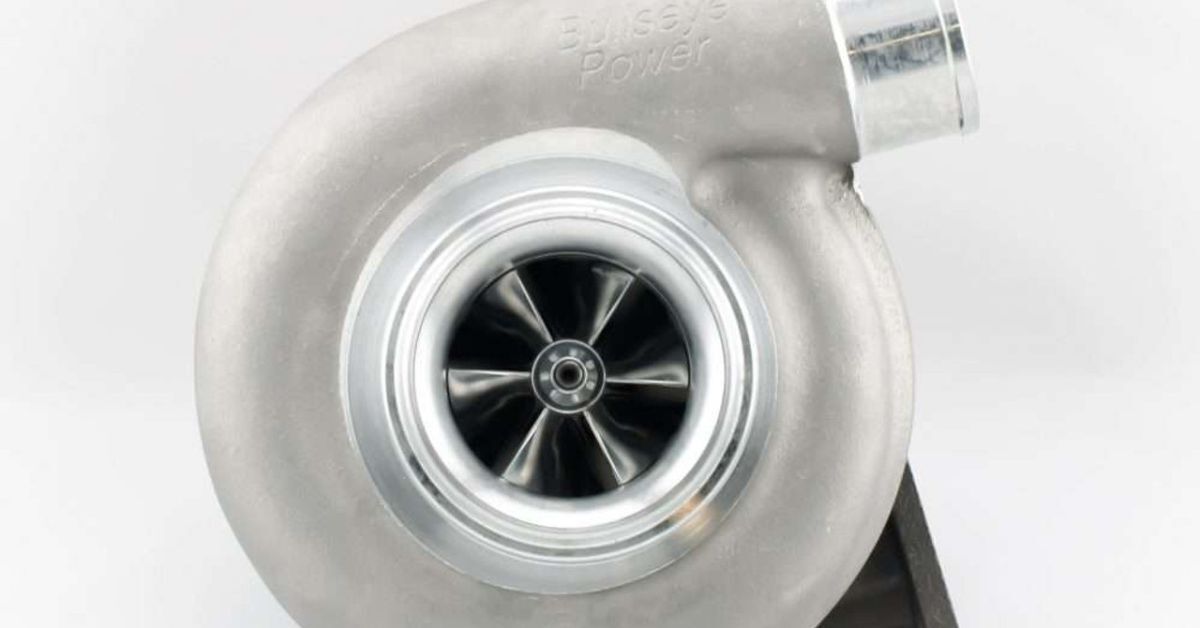
For those seeking to go beyond routine maintenance, performance upgrades provide an effective way to minimize turbo lag in the 6.0 Powerstroke. One popular option is replacing the stock turbo with a performance-focused Ford 6.0 turbo upgrade. These upgrades typically include larger turbines or improved vane designs, allowing for quicker spooling and reduced lag.
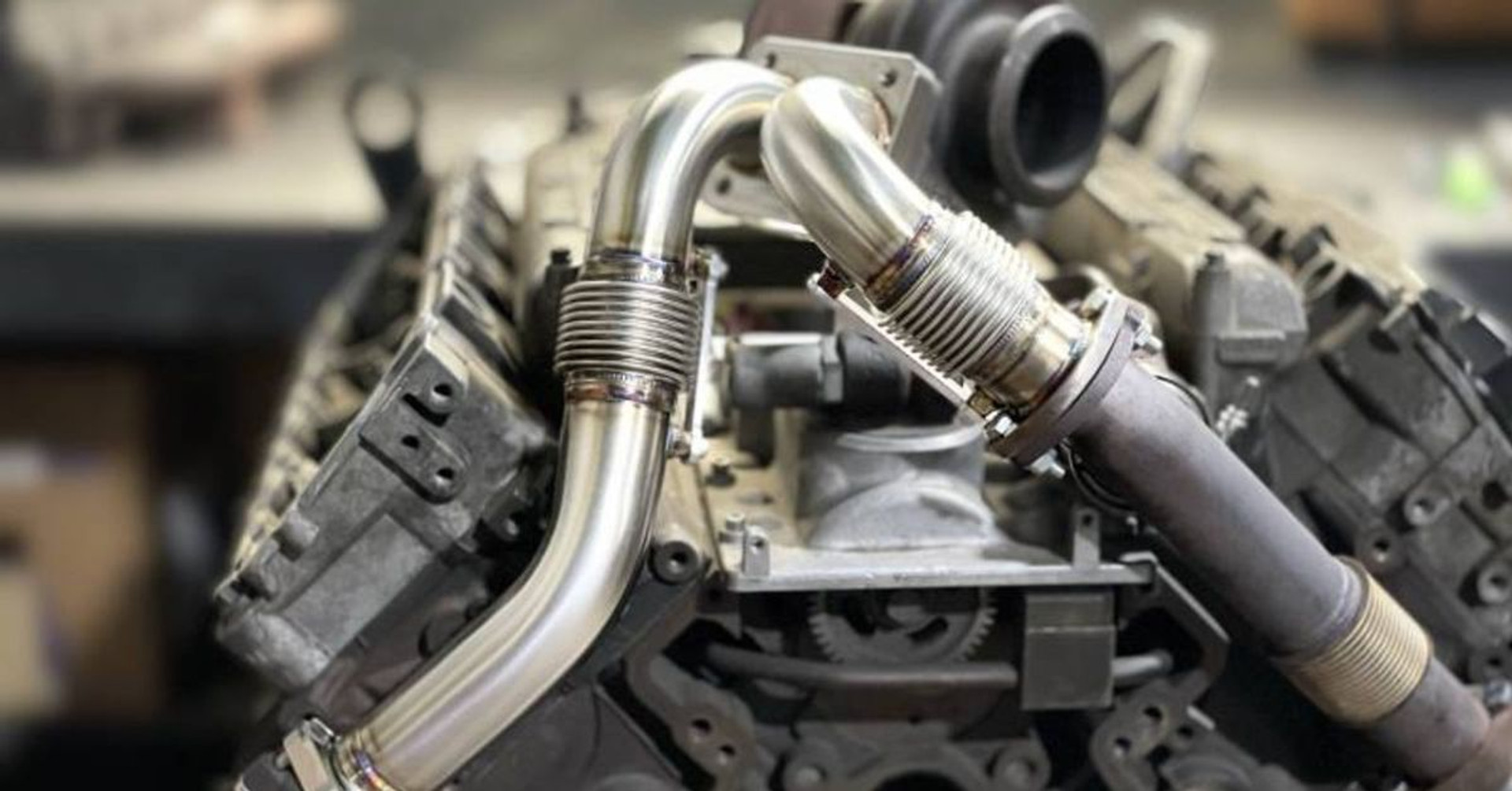
Additionally, tuning the ECU (engine control unit) can optimize fuel delivery and timing, further enhancing turbo efficiency. Paired with aftermarket exhaust systems and high-flow intake kits, these changes can significantly reduce lag while unlocking more power and torque. While upgrades involve investment, the results are often well worth it for drivers keen on maximizing performance.
The Role of Driving Behavior in Managing Lag
How you drive also plays a critical role in mitigating turbo lag. Smooth, consistent throttle inputs allow the turbocharger to build boost more predictably, reducing the perception of lag. Avoiding aggressive stop-start driving, where the turbo must spool multiple times within a short period, can also improve response time over an extended drive.
While towing or hauling heavy loads, remember to gradually build power instead of flattening the pedal, which will help maintain smooth performance and prevent excessive strain on turbo components. For many Powerstroke owners, simply adjusting driving habits can make a noticeable difference in turbo responsiveness.
Practical Ways To Reduce Lag
6.0 Powerstroke owners can overcome turbo lag by combining regular maintenance, upgrades, and more efficient driving practices. For example, you may notice a dramatic reduction in lag if you replace the stock turbo with an aftermarket VGT model designed for quicker response. Additionally, simply cleaning out the vanes can eliminate sticking issues and restore performance.
Different solutions may work for you, depending on your truck usage and desired performance. For those uncertain about where to start, consulting a diesel performance specialist can provide tailored advice and recommend upgrades that deliver long-term results.
Should You Be Concerned About Turbo Lag?
While turbo lag is a standard characteristic of many turbocharged engines, it becomes concerning when it starts significantly impacting your truck's performance or convenience. A prolonged lag often signals underlying issues that, if left unaddressed, can damage your 6.0 Powerstroke turbo and its surrounding systems. Taking proactive steps to understand, maintain, and enhance your turbocharger can help you stay ahead of problems and enjoy a more refined driving experience.
Final Thoughts on Turbo Lag in the 6.0 Powerstroke
Managing turbo lag is essential for optimizing the performance of your Ford 6.0 Powerstroke. By understanding all there is to know about 6.0 Powerstroke turbo lag, including its causes and why dedicating time to proper maintenance is so crucial, you can minimize lag and restore your truck's responsive power. Whether it's cleaning the turbo, upgrading components, or refining your driving technique, each step helps unlock smoother and more satisfying acceleration.
If turbo lag is holding your 6.0 Powerstroke back, consult with the pros at Blessed Performance about how to get the boost you need.