12V Cummins vs. 24V Cummins: What’s the Difference?
Estimated 0 min read
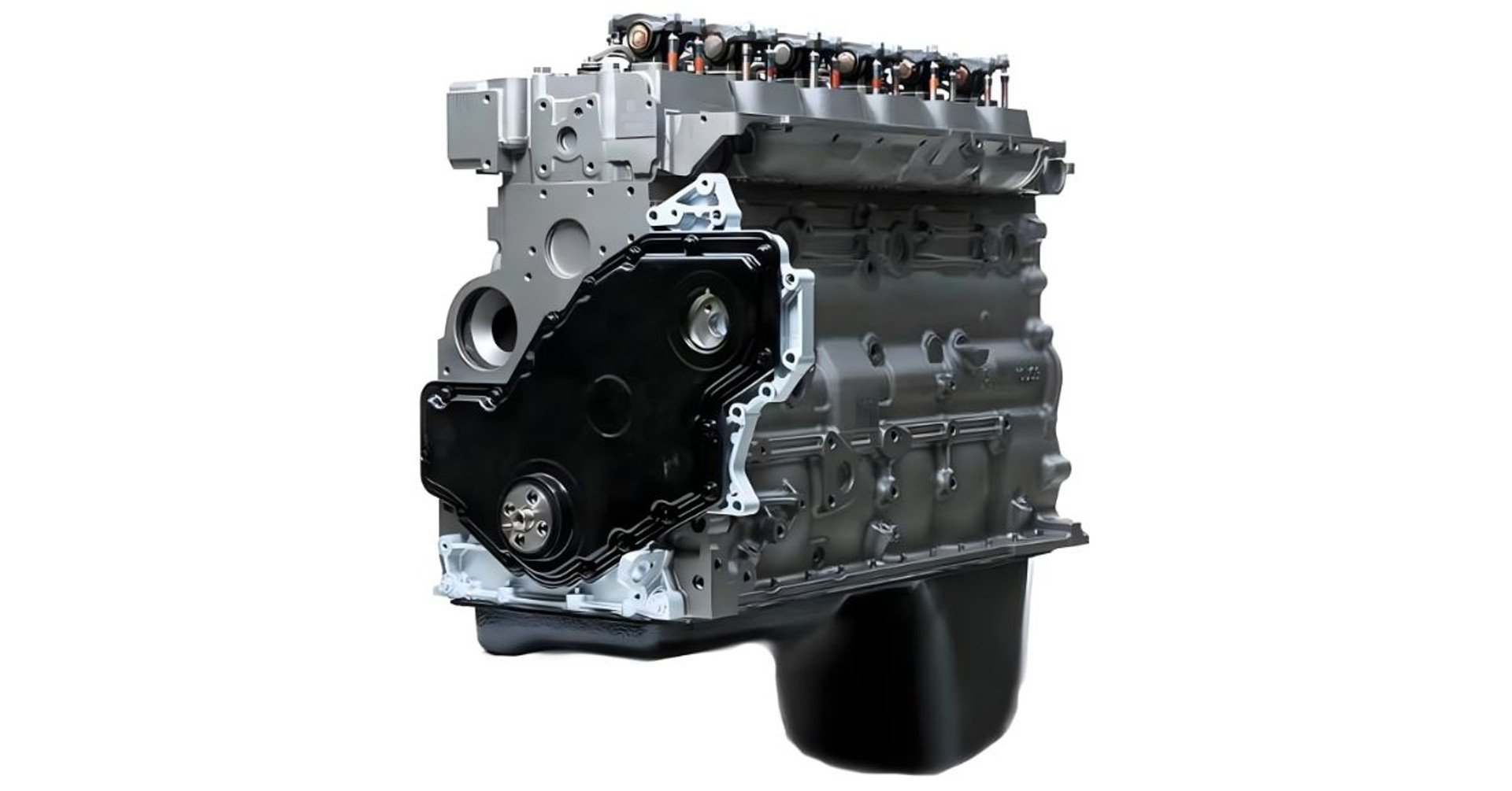
Regarding diesel engines, particularly those in Dodge Rams, few names spark as much passion and debate among enthusiasts as the 12V and 24V Cummins. These 5.9L inline-six engines are legends in their own right, known for reliability, power, and performance. But which one is better? Like most great debates, the answer is: it depends. Let’s look at the differences between the 12V versus the 24V Cummins engines, their similarities, and what makes each one special.
Start With the Valves
Before we dig into the differences, it’s worth understanding what we mean by “12V” and “24V.” These numbers refer to the number of valves in the engine. The 12V Cummins has two valves per cylinder, whereas the 24V has four. This difference in design influences various factors, including airflow, fuel efficiency, and performance potential. But as you’ll see, there’s far more to this story than just valve count.
The 12V Cummins Legacy
The 12-valve Cummins engine, also known as the 6BT engine, was offered in Dodge Rams from 1989 to 1998, with its most refined version appearing between 1994 and 1998. Renowned for its simplicity and durability, this engine has become the gold standard for mechanics who value straightforward, mechanical engineering.
One of the standout features of the 12V is the Bosch P7100 injection pump, affectionately called the “P-pump.” This mechanical marvel offers incredible versatility; you can tune it for higher performance with relative ease. For enthusiasts looking to push their engines to jaw-dropping horsepower figures, the 12V is an obvious choice.
Its single Holset turbocharger, high-strength pistons, and cast-iron block make it a robust workhorse. However, even the 12V isn’t without its quirks. The infamous “killer dowel pin,” a small piece in the timing case that can vibrate loose, poses a significant risk if not addressed. Despite this, the 12V is a favorite for DIY mechanics because it’s almost entirely mechanical, with minimal electronics to troubleshoot.
Enter the 24V Cummins
The 24-valve Cummins, introduced in 1998.5 and produced until 2002, brought the Cummins platform into the electronic age. While it maintained the same sturdy cast-iron block as its predecessor, the addition of electronic fuel injection via the Bosch VP44 injection pump marked a significant evolution. This engine is often called the ISB (Interact System B).
The move to electronic controls allowed for finer tuning and improved throttle response compared to the 12V. The 24V also boasted higher horsepower and torque out of the factory, with figures ranging from 215 to 245 hp and 440 to 505 lb-ft of torque, depending on the year and transmission. These enhancements made the 24V a more refined option for daily driving and towing.
But with modernization came new challenges. The VP44 injection pump, while powerful, is notorious for its complexity and susceptibility to failure, often linked to issues with the lift pump. Additionally, manufacturers built an unfortunate number of early 24V engines with “53 blocks,” which usually crack. For these reasons, some enthusiasts view the 24V as less durable than its predecessor.
Performance Potential
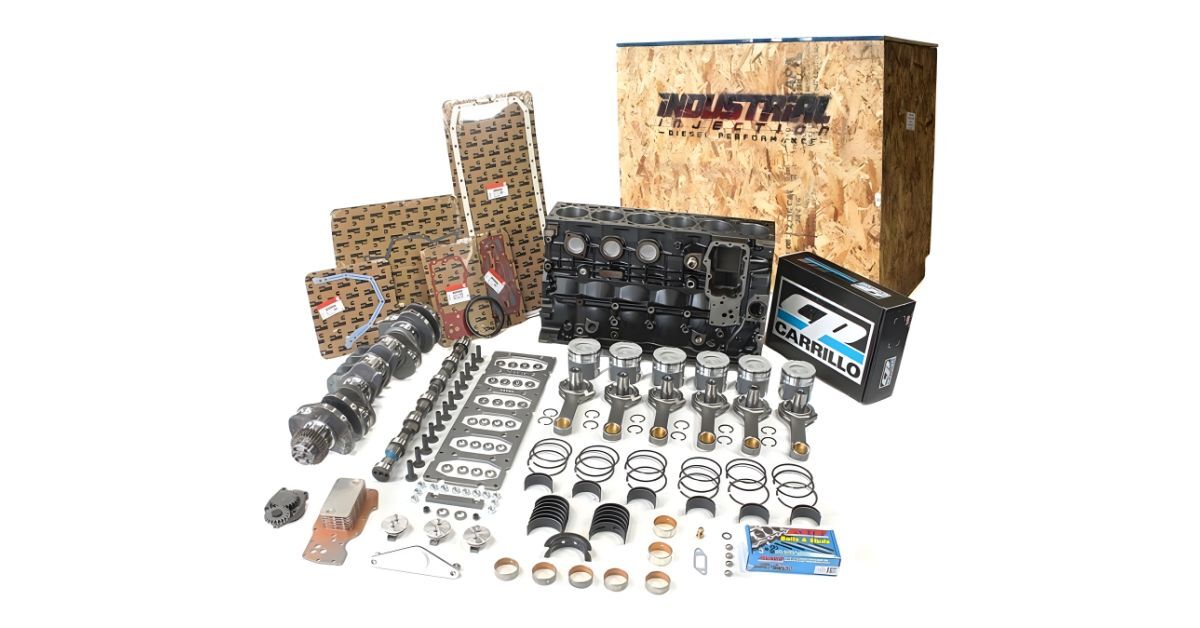
If you’re dreaming of a truck that can obliterate zero to sixty times and tow mountains, the 12V Cummins is the choice for maximum horsepower modification. The P-pump’s mechanical design allows it to be upgraded with aftermarket parts easily, pushing the 12V to over 1,000 horsepower with the right setup. For diesel racers and those who love to tinker, the 12V is the ultimate blank canvas.
The 24V, on the other hand, offers a more balanced approach to performance. Thanks to the electronically controlled injection pump, tuning with a handheld programmer is easier. You’ll sacrifice some of the mechanical simplicity of the 12V, but you’ll gain the ability to fine-tune performance without pulling the engine apart.
Maintenance and Repairs
Regarding upkeep, the 12V’s straightforward mechanical design makes it a favorite among DIY mechanics. With minimal sensors or electronic components, diagnosing and repairing issues is straightforward. However, its age means finding parts in good condition can be tricky, especially for components like the P-pump or turbocharger.
Meanwhile, the 24V’s advancements bring both conveniences and complications. Electronic diagnostics help identify problems quicker, but repairs often require specialized tools or knowledge. Additionally, the VP44 injection pump is a known weak point and can be costly to replace. If you’re serious about owning a 24V, upgrading the fuel system (especially the lift pump) is a smart preventive measure to avoid pump failure.
Drivability and Practicality
Thanks to its electronic controls, the 24V offers smoother power delivery and better throttle response for daily driving or towing. Its higher factory torque ratings make it more capable of handling heavy hauling tasks. If you’re looking for a practical option straight out of the box, the 24V is a solid contender.
The 12V, while capable, feels more like a truck from its era. It’s rough around the edges, with a distinct mechanical vibe that appeals to purists. Modifications can improve its drivability, but it won’t have the same refinement as the 24V.
Fuel Efficiency
Fuel economy isn’t the primary focus for most Cummins enthusiasts, but it’s still worth mentioning. Both engines are relatively fuel-efficient for their class, but the 24V edges out the 12V slightly, thanks to its more precise electronic fuel injection system. Upgrading to a modern engine may be a better option if you’re chasing fuel savings.
Longevity and Reliability
Both the 12V and 24V Cummins engines have earned reputations for their durability, but they excel in different ways. When properly maintained, the 12V’s mechanical simplicity means fewer failure points and unparalleled reliability. It’s common to see 12V engines with over a million miles still going strong.
The 24V, while robust, has more electronic components that can fail over time. If you’re buying a used 24V, it’s essential to inspect the injection pump, lift pump, and block number (to avoid the dreaded “53 block”). The 24V can still have an impressive lifespan with proper care and upgrades.

Which Should You Choose?
Choosing between the 12V and 24V Cummins ultimately depends on your priorities. If you value simplicity, ease of repair, and limitless performance potential, the 12V is your engine. It’s a legend for a reason and its raw, mechanical charm appeals to many.
On the other hand, if you’re looking for modern refinements, better stock performance, and smoother drivability, the 24V might be the better fit. Just be prepared to invest in preventive upgrades to ensure long-term reliability.
Closing Thoughts
The 12V vs. 24V Cummins differences and similarities debate has no definitive winner because both engines excel in their ways. It’s less about which is better and more about which aligns with your needs and goals. Whether you’re restoring a classic Dodge Ram or upgrading your work truck, both engines have the potential to provide miles of reliable, diesel-powered performance.
Whichever you choose, one thing’s for sure—the 12V and 24V are legendary examples of Cummins’ engineering excellence. If you’re ready to upgrade or start a new build, finding a 5.9 Cummins engine for sale puts you one step closer to owning a piece of that iconic diesel legacy. Shop trusted, high-performance options at Blessed Performance and power your project with confidence.