A Complete Maintenance Schedule for Powerstroke 6.0
Estimated 0 min read
Owning a truck with a 6.0L Powerstroke engine provides incredible power and performance, and maintaining it is essential to keep it operating at its best. With timely servicing, you can extend the engine’s life, prevent costly repairs, and ensure optimal performance. Here’s a complete maintenance schedule for 6.0 Powerstroke engines.
Understanding the Importance of Routine Maintenance
Maintenance is essential for the 6.0 Powerstroke due to its complex design and high-performance demands. Neglecting scheduled service can lead to clogged oil coolers, blown head gaskets, or exhaust gas recirculation (EGR) failures. Staying on top of maintenance protects your investment and keeps your truck running reliably.
Routine care prevents breakdowns, enhances fuel efficiency, and extends component life. Whether you use your truck for work, towing, or daily driving, regular upkeep guarantees smooth performance and long-term dependability on the road.
Every 5,000 Miles – Oil Change and Filter Check
The first step in maintaining your 6.0 Powerstroke engine upgrades is changing the oil and filter every 5,000 miles. Diesel engines need clean oil to lubricate internal components and minimize wear. Neglecting this task may result in sludge buildup, reduced efficiency, and engine damage. Use premium diesel-rated oil, and replace the oil filter during every oil change to protect the engine.
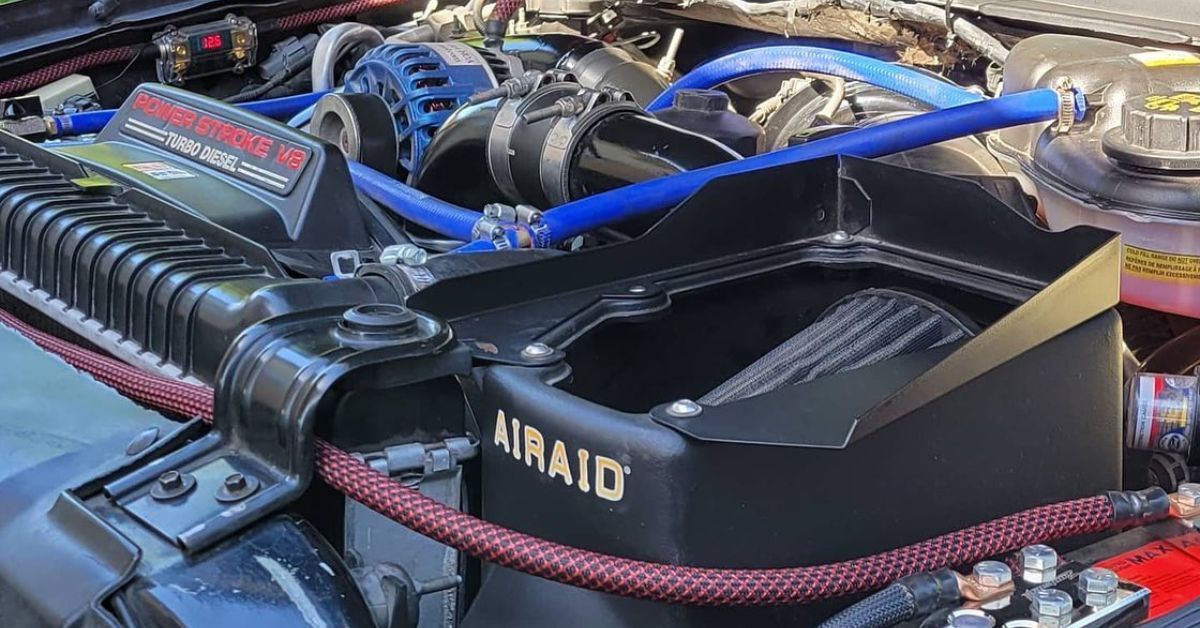
The Powerstroke’s turbocharger and engine require a steady, clean air supply for optimal performance. A clogged or dirty air filter can choke airflow, compromise fuel efficiency, and stress the turbocharger. Frequent replacements may be necessary if you regularly drive in dusty environments.
Every 10,000 Miles – Monitor Tire Condition
Did you know that the condition of your truck’s tires can affect engine performance? Every 10,000 miles, check tire pressure, tread depth, and wear patterns. Misalignment can cause the truck to pull to one side, making steering more difficult and increasing driver fatigue. Over time, poor alignment puts extra strain on suspension components, leading to premature wear and costly repairs. Rotate the tires to promote even wear, extend their lifespan, and improve fuel economy. Additionally, check alignment to prevent handling issues.
Every 15,000 Miles – Fuel Filter Replacement
Diesel engines are sensitive to the cleanliness of their fuel supply. Every 15,000 miles, replace the primary and secondary fuel filters. Contaminated fuel can clog the injectors, damage the fuel system, or reduce performance.
The two-filter system on the 6.0 Powerstroke—one under the truck and one on top of the engine—removes water and debris before the fuel reaches the injectors. Always use high-quality filters that are compatible with Powerstroke engines.
Additionally, high-quality filters trap dirt, debris, and contaminants that could damage engine components. They consist of durable materials that withstand high pressure and extreme conditions, prevent clogging, and maintain oil and fuel flow.
Every 20,000 Miles – Check and Flush Coolant
The cooling system affects the longevity of the Powerstroke 6.0. Every 20,000 miles, check the coolant’s condition, and top it off if necessary. The mixture should match the manufacturer’s specifications: usually a 50/50 blend of coolant and distilled water.
Additionally, do a full coolant flush and refill every 40,000 miles to prevent scale or debris from accumulating in the cooling system. Neglecting this task can lead to overheating and damage to vital components, such as the EGR cooler and oil cooler.
Every 25,000 Miles – Inspect the Serpentine Belt
The serpentine belt on a 6.0 Powerstroke powers the alternator, water pump, and air conditioning system. Inspect the belt every 25,000 miles for signs of wear, such as cracks, fraying, or glazing. A failing belt can lead to engine failure and leave you stranded. Replace it promptly if you notice damage or excessive wear.
Every 30,000 Miles – Transmission Fluid and Filter Service
Maintaining the automatic transmission is essential for smooth shifting and extended transmission life. Every 30,000 miles, replace the transmission fluid and filter. Neglecting this service can lead to hard shifts, slipping gears, or complete transmission failure. If you have a Ford truck, use the transmission fluid recommended by the automaker to meet the Powerstroke’s needs.
Every 50,000 Miles – Differential and Transfer Case Maintenance
Pay attention to the differentials and transfer cases in your four-wheel-drive Powerstroke truck. Drain and refill the fluid every 50,000 miles to protect the gears and bearings. Clean fluids reduce wear and extend the lifespan of these components. If you use your truck for off-road driving or heavy hauling, more frequent servicing may be necessary to maintain optimal performance.
Every 100,000 Miles – Glow Plug Check
Glow plugs heat the combustion chamber, which is essential for cold starts. At approximately 100,000 miles, inspect the glow plugs for wear or malfunctions. Failing glow plugs can cause difficulties starting the truck, especially in freezing conditions.
Replacing faulty plugs is crucial for maintaining engine performance. Worn plugs can cause misfires, poor fuel efficiency, and starting issues. Over time, this can lead to engine hesitation, rough idling, and increased emissions.

Maintaining the EGR System for Long-Term Reliability
The exhaust gas recirculation system recirculates exhaust gases to reduce emissions. However, it is a weak point in the 6.0 Powerstroke. Carbon buildup within the EGR valve or cooler can disrupt engine performance and cause head gasket failures. Cleaning or replacing the EGR valve as needed keeps the system functional and prevents damage.
Keep Track of DTC Codes and Perform Diagnostics
Modern Powerstroke engines have advanced onboard diagnostics to monitor performance and flag issues. Use an OBD-II scanner to read Ford-specific diagnostic trouble codes (DTCs) routinely or whenever warning lights appear on the dashboard. Early detection of potential problems encourages you to perform timely maintenance.
Common Mistakes To Avoid in Powerstroke Maintenance
Many Powerstroke owners unintentionally shorten their engine’s lifespan by making maintenance mistakes. Using the wrong oil or filters, skipping scheduled services, and neglecting small problems are a few examples. Always consult the owner’s manual or seek advice from a diesel engine mechanic if you’re unsure about your truck’s requirements.
Follow a Maintenance Routine
Following a complete maintenance schedule for your Powerstroke 6.0 engine ensures you get the most out of your investment. From oil changes to coolant flushes, every task plays a vital role in extending the life of your truck’s engine and maintaining its legendary reliability.
As a trusted provider of high-quality aftermarket parts and expert advice, Blessed Performance is dedicated to helping you optimize your truck’s performance. Whether you’re using your truck for work or play, Blessed Performance can provide the tools and knowledge to keep your truck running at its best.