Comparing the Benefits of Diesel Trucks vs. Gas Trucks
Estimated 0 min read
One of the most important factors when choosing a truck is to select a diesel or gas engine. Each engine offers performance, fuel efficiency, and durability advantages for drivers. Understanding how gas and diesel engines work will help you compare their benefits and choose the one that best fits your lifestyle.
Understanding Diesel and Gas Engines
Diesel engines rely on compression combustion. The air inside the cylinder compresses until fuel ignites spontaneously. This process delivers high torque and efficiency, making diesel engines ideal for towing.
The 6.0 Powerstroke engine exemplifies this capability in diesel vehicles because it provides immense power at low revolutions per minute (RPMs). Industries like construction and agriculture rely on diesel engines, reinforcing the importance of these trucks for heavy-duty jobs.
Meanwhile, gas engines use spark ignition, where a spark plug ignites an air-fuel mixture for smooth, quiet operation. With consistent power across a wide RPM range, gas engines offer versatility for various driving conditions.
Towing and Hauling Capabilities
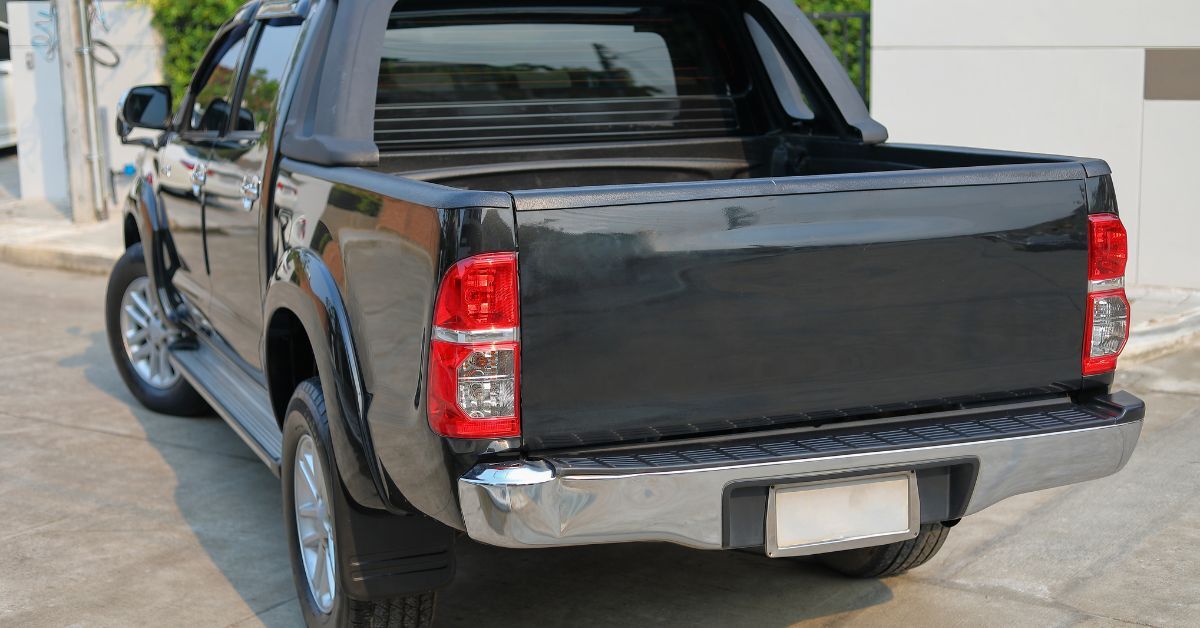
When towing long distances, diesel engines ensure the truck is stable and effective. This makes them the preferred option for hauling large trailers or equipment.
While less powerful for towing, gas trucks offer faster acceleration and better handling for everyday driving. They perform well for light loads and short-distance hauling. Therefore, gas engines are ideal for drivers who occasionally tow but don’t require a heavy-duty truck.
Fuel Efficiency
Diesel engines offer better fuel efficiency than gas engines due to their combustion process. Diesel fuel contains more energy per gallon, allowing trucks to travel farther on less fuel. This advantage makes diesel trucks cost-effective for long-distance drivers and commercial operations.
Gasoline is typically cheaper than diesel, making gas trucks a more economical choice for those who don’t drive long distances or tow heavy loads regularly. While diesel trucks save on fuel in the long run, their initial purchase price and maintenance costs can offset these savings for some drivers.
Maintenance and Longevity
Diesel engines last longer due to their robust construction and can withstand higher compression ratios and intense workloads. They feature durable components like reinforced cylinder walls, allowing them to operate for hundreds of thousands of miles with proper maintenance.
However, maintaining a diesel truck is more expensive. Diesel engines require frequent maintenance, and repairs—such as fuel injector replacements or turbocharger servicing—can be costly.
Gas engines generally have a shorter lifespan than diesel models. Not to mention, gas vehicles are simpler and cheaper to maintain. The low repair costs appeal to those who prioritize affordability over longevity.
Performance in Cold Weather
Gas trucks perform better in cold weather because their spark ignition system starts reliably in freezing temperatures. Diesel engines, requiring high compression to ignite fuel, often struggle in cold climates. Diesel fuel can also gel in extreme cold, making starting difficult without a block heater.
Despite this, once diesel engines warm up, they supply consistent power in snowy or icy conditions. Investing in winterization equipment like block heaters can mitigate starting issues if you live in a cold region but need a diesel truck.
Ride Quality and Noise
Gas trucks deliver a quiet, smooth ride due to their spark ignition system, which generates less noise and vibration. This makes them preferable for daily commuting, urban driving, and long road trips where comfort is a priority. The reduced engine noise in gas trucks allows for a more pleasant cabin experience because of the reduced fatigue on extended drives.
Diesel engines, known for their distinctive rumble, produce more noise and vibration, which some drivers appreciate the rugged, powerful feel. Advancements in diesel engine technology, such as improved insulation and refined fuel injection systems, have immensely decreased noise levels.
Nevertheless, gas engines still provide a more refined and comfortable ride overall. For drivers who favor smooth handling and quiet operation, gas engines are the better option.
Environmental Impact
Gas trucks emit less nitrogen oxide (NOx) and particulate matter than diesel trucks. However, diesel engines are more fuel-efficient and produce less carbon dioxide per mile, which helps reduce overall greenhouse gas emissions.
Technological improvements for both engine types have enhanced each design’s environmental performance through advanced emissions control systems. Many diesel trucks feature particulate filters and selective catalytic reduction (SCR) to reduce NOx emissions. The choice between diesel and gas depends on whether you prioritize lower fuel consumption or reduced air pollutants.
Cost Considerations
Diesel trucks cost are more expensive investments due to their complex engine construction and additional components like turbochargers and intercoolers. However, they provide long-term savings through superior fuel efficiency and durability. This investment can pay off over time for those requiring a truck for heavy-duty applications.
If cost-effectiveness and ease of maintenance are your top concerns, a gas truck might be the better option. Being more affordable initially, gas trucks also have lower maintenance and repair costs. This makes them a more practical choice for drivers who don’t need maximum towing capacity.
Resale Value
Diesel trucks generally retain their value better than gas trucks. Their durability and demand in industries such as agriculture and transportation contribute to high resale prices. Well-maintained diesel trucks fetch premium prices in the used market, especially in agricultural and industrial regions where heavy-duty vehicles are in demand.
Additionally, gas trucks tend to depreciate faster due to their decreased durability and short lifespan compared to diesel models. However, they still appeal to buyers looking for budget-friendly options. If long-term resale value is a priority, a diesel truck offers a better return on investment.
Choose What Works Best for You
After comparing the benefits of diesel trucks and gas trucks, the final decision depends on your lifestyle, professional and personal demands, budget, and driving habits. Diesel trucks provide superior towing power, fuel efficiency, and longevity, making them ideal for heavy-duty applications. On the other hand, gas trucks are suitable for daily use because they’re affordable, easy to maintain, and deliver a smooth ride.
After you’ve made a decision, visit Blessed Performance to conduct regular maintenance and purchase high-quality parts for your truck. We offer expert advice and premium accessories to enhance your truck’s capabilities. If you need tools to give your truck a high-quality, long-term performance, explore our selection of top brands to get the most out of your diesel or gas truck.