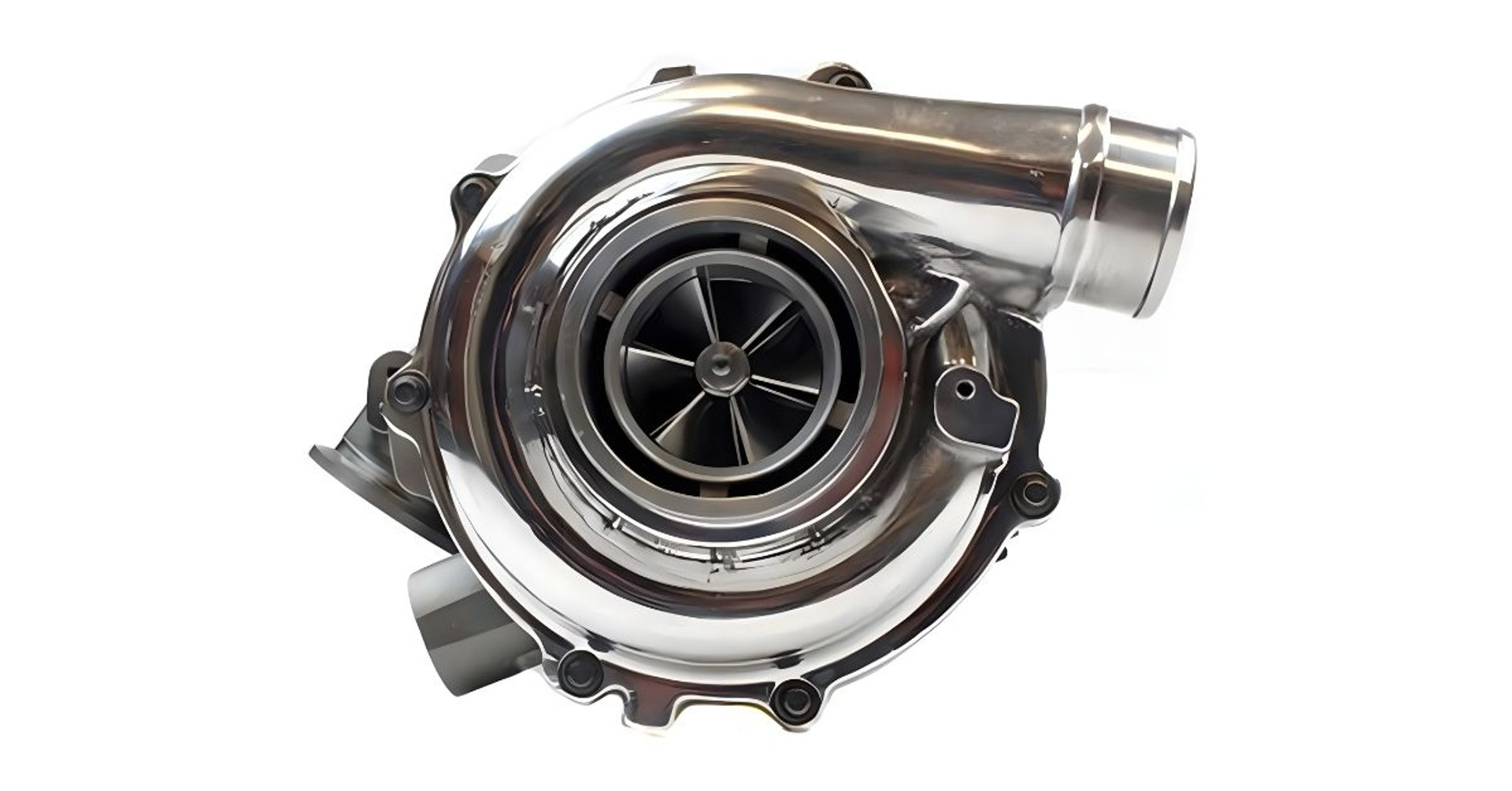
Tips for Choosing the Right Turbo for Your Diesel
Estimated 0 min read
Picking the right turbo for your diesel build isn't rocket science, but it's not exactly a walk in the park either. You've got power goals, budget constraints, and about a million different turbo options staring you down.
Some guys jump straight to the biggest turbo they can find, thinking more boost equals more glory. That's one way to do it, just not always the smartest way.
The truth is, choosing the wrong turbo can result in a laggy throttle response, disappointing performance, and a wallet that's considerably lighter than it needs to be. These tips for choosing the right turbo for your diesel will help you find the right match for your setup, driving style, and performance goals, thereby avoiding expensive mistakes along the way.
Know Your Power Goals Before You Shop
You need to determine what you actually want from your truck before browsing turbo specs. Sounds obvious, right? However, many individuals skip this step and end up with a turbocharger that doesn't align with their goals.
Perhaps you're looking for a reliable daily driver that offers decent fuel economy but also has some extra power when needed. Or maybe you're building a competition truck that'll live at the track and rarely see street duty. These are entirely different scenarios that require different turbos.
Start by setting a realistic horsepower target. If you're running a stock bottom end, you have limits, whether you like them or not. Push too hard and you'll find yourself shopping for internal engine parts real soon.
Most stock diesel engines handle mild to moderate power increases just fine, but there's always a ceiling. Research what other people with your specific engine make reliably. Forums and build threads are your friends here.
Your driving style matters too. If you regularly tow heavy trailers, you need a turbo that builds boost low in the RPM range. A laggy race turbo might make big peak numbers, but it'll be useless when you're trying to pull a load up a hill from a standstill.
On the other hand, if you're chasing quarter-mile times, you can sacrifice some low-end response for top-end power. The turbo that works for your buddy's setup might be completely wrong for yours, even if you've got the same truck. Think about how you actually use your vehicle, not just how you want it to sound at the local meet.
Understand Turbo Sizing and Compressor Maps
Turbo sizing can get technical quickly, but you don't need an engineering degree to understand the basics. The compressor wheel and turbine wheel sizes determine how much air your turbo can move and how efficiently it does it. Bigger isn't always better; it's about matching the turbo's capabilities to your engine's airflow requirements.
Compressor maps look intimidating at first glance. All those lines and numbers seem designed to confuse people. But they're actually pretty useful once you know what you're looking at.
The map shows you where your turbo operates efficiently and where it doesn't. You want your engine's operating range to fall within the "island" of efficiency on the map. Stay outside that zone and you're building heat instead of power.
Here's the thing about turbo lag that nobody tells you upfront: it's a trade-off, not a problem you can eliminate. Larger turbos move more air and make more peak power, but they take longer to spool up.
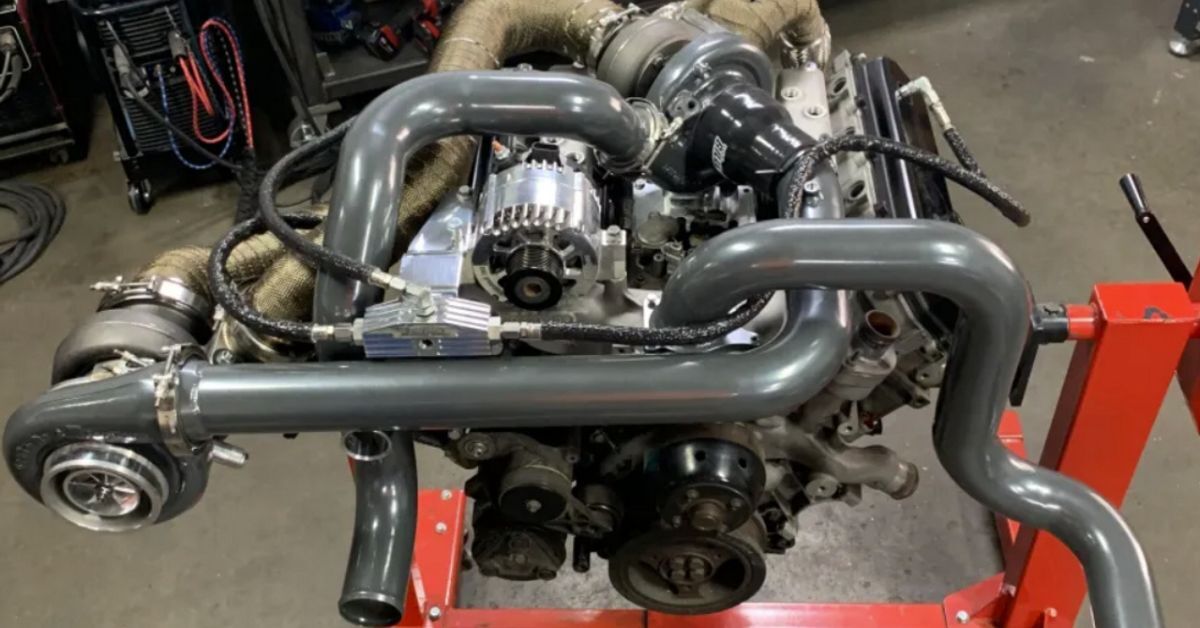
Smaller turbos respond quickly but run out of breath at higher RPMs. You're always balancing response against peak power. Some people run compound turbo setups to achieve the best of both worlds: a small turbo for quick response and a larger turbo for high-end power. That's getting into serious money and complexity, though.
The A/R ratio (area over radius) on the turbine housing affects spool time and exhaust flow. A smaller A/R spools faster but can choke the engine at high RPM. A larger A/R flows better up top but spools slower.
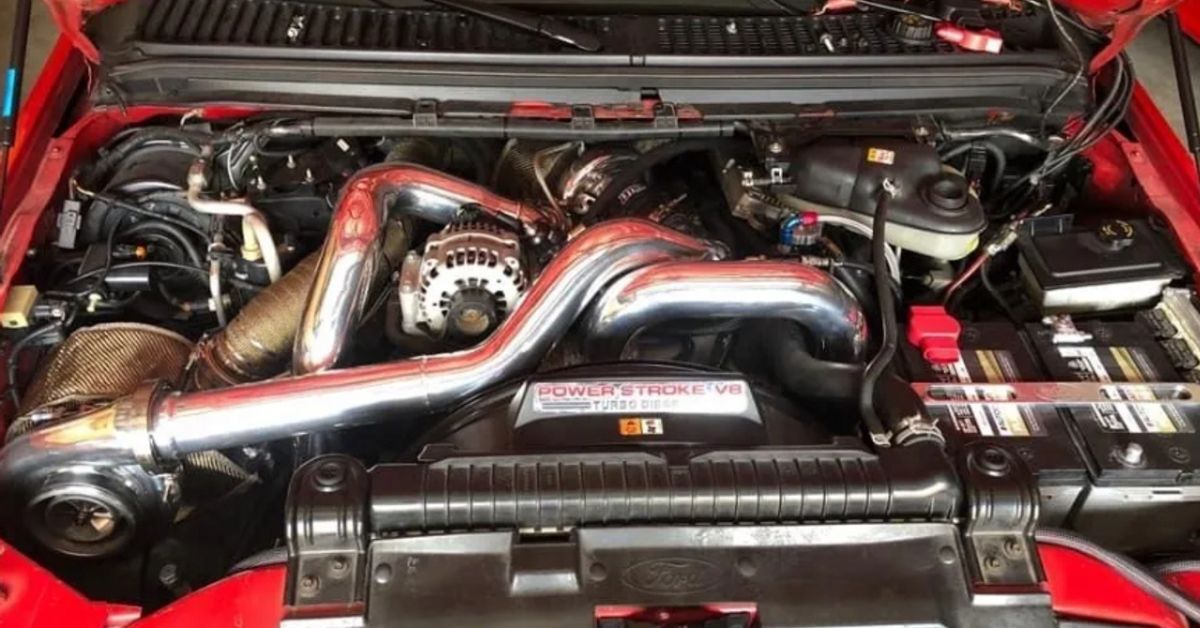
Most street trucks perform well with a moderate A/R that strikes a balance between these characteristics. If you're replacing a component like a Ford 6.0 Powerstroke Turbo, consider whether staying close to stock performance or going significantly larger is the best option.
Consider Your Supporting Modifications
Your turbo doesn't work alone. It's part of a system, and that system is only as strong as its weakest link. You can bolt on the best turbo money can buy, but if your fuel system can't keep up, you're wasting your time and cash.
Fuel delivery is usually the first bottleneck you'll hit. Your injectors need to supply enough fuel to match the air your turbo crams into the cylinders. Stock injectors are fine for mild builds, but once you start pushing serious boost, you'll need bigger injectors or dual high-pressure fuel pumps. The fuel system upgrades can cost as much as the turbo itself, so factor that into your budget from the start.
Your intercooler matters more than most people realize. A turbocharger compresses air, and the compressed air becomes hot. Hot air is less dense, which means it contains less oxygen and, therefore, has less power.
A good intercooler lowers those intake temps and allows you to run more boost safely. If you're sticking with a stock intercooler on a built motor with a big turbo, you're leaving power on the table and risking engine damage from detonation.
Don't forget about the exhaust side either. A restrictive exhaust system will kill your turbo's efficiency and limit your power gains. You need adequate flow from the turbo all the way out the tailpipe.
That usually means at least a four-inch exhaust for modified diesels, sometimes larger depending on your power level. And while you're at it, ensure your intake system can flow sufficient air. A stock airbox and filter might work fine at stock power levels, but they'll suffocate a big turbo trying to gulp massive amounts of air.
Match the Turbo to Your Transmission and Drivetrain
Power is useless if you can't put it to the ground. Your transmission and drivetrain need to handle whatever your turbocharged engine throws at them. This aspect is where many builds go sideways, both literally and figuratively.
Stock transmissions in most diesel trucks are the weak point in the drivetrain. They can handle factory power levels with some safety margin, but that margin disappears quickly when you add boost.
An automatic transmission that works fine at stock power will slip, overheat, and eventually fail with a big turbo pushing serious power. Manual transmissions generally hold up better, but even they have their limits. Clutches wear out, synchros break, and input shafts twist when you throw enough torque at them.
Budget for transmission work if you're doing a serious turbo upgrade. That might mean a built automatic with upgraded clutch packs, a beefier torque converter, and better cooling. For manual trucks, you're looking at a heavy-duty clutch at minimum, possibly a whole new transmission if you're going really big. Yeah, it's expensive. But it's cheaper than replacing a destroyed transmission on the side of the road.
Put It All Together and Build Smart
Choosing the right turbo for your diesel requires an honest assessment of your goals, budget, and how you actually use your truck. The biggest turbo in the catalog might look impressive on paper, but it's worthless if it doesn't match your setup.
Take time to research your specific engine platform, talk to people who've done similar builds, and don't skip the supporting modifications that make everything work together. Start with realistic goals, do your homework on sizing and supporting mods, and build a setup with performance parts from Blessed Performance.