KC Turbos for Powerstroke Builds: What to Know Before Upgrading
Estimated 0 min read
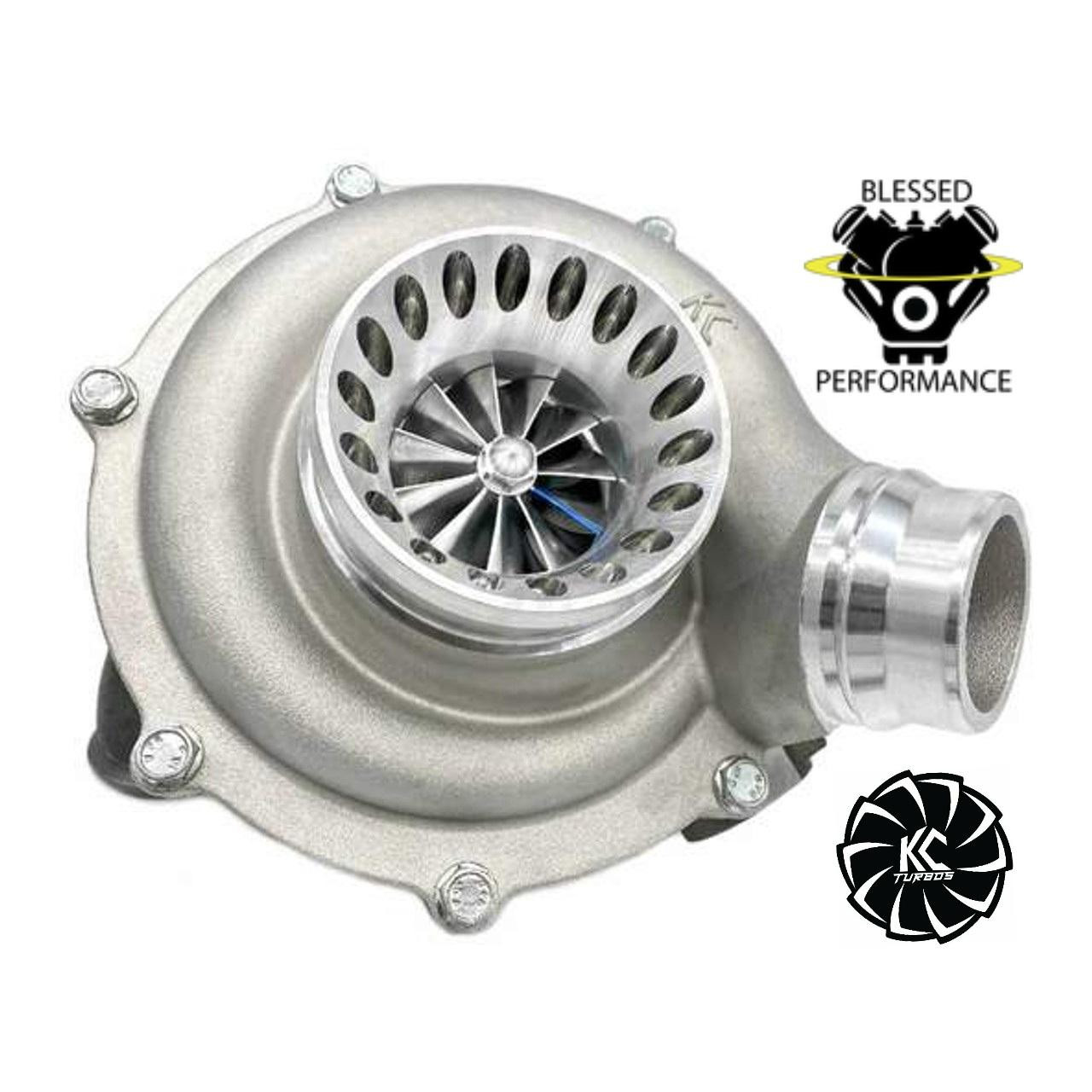
Powerstroke owners upgrade their turbochargers for different reasons. Some need to replace the worn factory unit in their Ford diesel pickups after years of hard use. Others want better responsiveness for towing and daily driving. Depending on the truck’s condition and your build goals, a Powerstroke turbo upgrade may provide a practical replacement path or support a broader performance build.
A KC Turbo Powerstroke upgrade is one option to compare when you want a replacement path, different response characteristics, or more airflow for a modified build. The right choice still depends on the engine generation, model year, truck condition, intended use, and supporting modifications.
KC Turbo availability and product type vary across 7.3L, 6.0L, 6.4L, and 6.7L Powerstroke applications. Some platforms have complete turbo options, while others may have conversion kits, rebuild parts, or more limited coverage. Start with the exact application instead of assuming each engine has the same stage choices.
This guide covers the factors you should consider before upgrading so you can get more bang for your buck. You’ll learn what to look for and how to choose the right part for your build goals.
Why Powerstroke Owners Consider a KC Turbos Upgrade
Factory turbochargers eventually wear out, especially if you’ve racked up hundreds of thousands of miles on your motor or spent long days towing heavy loads. When replacing a failing turbo, you can install a same-as-stock option or upgrade to something a little more robust.
Many owners upgrade their original turbo before it fails because they want their truck to perform better. Here are some common goals for an early upgrade:
- Faster throttle response
- Improved towing
- A broader usable power range
- Better airflow to support future modifications
- Improved durability
- A turbo that matches your workload
While it can be tempting to choose the strongest turbo with the most output, that’s not where you should be focusing. Instead, go with an upgrade that will make daily driving, work, or play more enjoyable.
Start With Powerstroke Generation and Model Year
Start by narrowing the search to the truck’s Powerstroke generation and model year. Mounting, controls, turbo configuration, and supporting systems change across 7.3L, 6.0L, 6.4L, and 6.7L trucks, and current KC Turbo availability is not identical for every platform.
Browse Ford Powerstroke parts by engine generation before comparing individual turbo options.
7.3L Powerstroke
The KC Turbo 7.3 Powerstroke line includes turbos specifically for the legendary 7.3L motor. It remains one of Ford’s most popular diesel motors ever built. Many of these trucks are still on the road after decades of service.
For a 7.3L truck, compare stock-oriented replacement, drop-in, and conversion paths by exact year break, injector and tuning requirements, response goals, and the other parts already on the truck. A louder whistle or higher stage number should not be the only reason to choose a turbo.
6.0L Powerstroke
KC Turbo options for 6.0L Powerstroke trucks can differ in compressor size, response, intended power range, injector support, tuning requirements, and core or installation details. Compare the product-level specifications and supporting modifications instead of choosing by whistle or stage label alone.
6.4L Powerstroke
KC Turbos offers products for select 6.4L applications, but availability differs from other Powerstroke platforms.
Select options are available, but it’s important to verify your model year, product type, and supporting hardware requirements. Not all of these units are plug-and-play, so you may need to make some additional upgrades. If you have questions, reach out to the knowledgeable team at Blessed Performance.
6.7L Powerstroke
A KC Turbo 6.7 Powerstroke upgrade may be worth comparing when your goals include different response characteristics, additional airflow, or support for other planned modifications.
Ford has updated the 6.7L engine several times over its production run, which means turbocharger compatibility varies by model year. Ford changed 6.7L turbo configurations across production years, so compare the model-year-specific 6.7 Powerstroke turbo options and confirm mounting, controls, and supporting hardware before ordering.
Match the Turbo to How You Drive Your Truck
Filtering available turbos by motor is the easy part. Once you’ve narrowed down your options, you’ll need to think about how you drive your pickup and what you expect out of your engine. Here are a few factors to consider for different driving habits.
Daily Drivers
For a daily driver, prioritize response, drivability, fitment, and the amount of supporting work the product requires. A lower-stage or stock-oriented option may fit those goals, but verify the exact tuning, fuel, mounting, and installation requirements before assuming it is a simple upgrade.
Tow Rigs
Towing places unique demands on both the engine and the turbocharger. If towing is your focus, look for a turbo that offers:
- Strong response under load
- Broad, usable power
- Consistent airflow during extended pulls
- Stable performance
The configuration of your truck and the weight you’ll be towing also come into play.
Work Trucks
For a work truck, prioritize consistent response, usable power, and compatibility with the truck’s normal load and duty cycle. Choose the specific KC Turbo application that supports those goals instead of defaulting to a stage number.
High-Output Builds
For a higher-output build, compare the turbo’s airflow range with the tuning, fuel system, transmission condition, and other supporting modifications already planned. Stage 2 or Stage 3 may be appropriate for some applications, but the product specifications and complete build should drive the decision.
Stage, Supporting Mods, and Buying Checklist
KC Turbo stage options vary by Powerstroke application. Therefore, the stage numbers don’t mean the same thing across every engine and use case. Review each product’s intended use, fitment, and supporting component requirements before you finalize your order.
Before ordering, confirm:
- Exact engine, model year, and vehicle configuration
- Daily driving, towing, work, or higher-output goal
- Product-specific stage description and intended power range
- Tuning, fuel-system, airflow, transmission, and mounting requirements
- Kit contents, core requirements, and additional hardware
- Installation support and any product-specific restrictions
Ready to compare options? Shop KC Turbos by Powerstroke application and product type, or contact Blessed Performance for help matching a turbo to your model year, use case, and supporting modifications.
Frequently Asked Questions
What KC Turbos Stage Is Right for a Daily-Driven or Towing Powerstroke?
Do not choose by stage number alone. For a daily-driven or towing truck, compare response under load, usable power range, model-year fitment, tuning and fuel requirements, and the product’s stated intended use. A lower-stage option may fit some trucks, but the exact product should determine the recommendation.
Does a KC Turbos Upgrade Require Custom Tuning?
Not every KC Turbo requires custom tuning, but some products do, and others may need fuel-system, injector, mounting, or airflow changes. Follow the requirements in the exact product listing instead of assuming all Stage 1 turbos install without tuning.
Are KC Turbos Available for 7.3L, 6.0L, 6.4L, and 6.7L Powerstroke Trucks?
KC Turbo products are available for several Powerstroke generations, but the selection and product type vary by engine and model year. Confirm current availability and whether the listing is a complete turbo, conversion kit, rebuild part, or supporting component before ordering.
Should I Rebuild My Turbo or Replace It With an Upgraded Unit?
The answer depends on the turbo’s condition, available rebuild parts, and your long-term build goals. A rebuild may be practical when the existing unit is serviceable and the correct kit is available. A complete replacement or upgrade may make more sense when major components are damaged, the current unit is no longer a good match for the build, or your airflow and response goals have changed.