Truck Tow Hooks: What to Check Before Buying Recovery Hardware
Estimated 0 min read
If you use your truck for work, towing, off-road travel, hunting, or outdoor recreation, recovery hardware deserves the same attention as any other component on your pickup. When it comes to tow hooks for trucks, there are many options out there, which can make it tough to narrow down your search to just one product.
Before ordering, confirm the hook’s vehicle application, mounting design, published rating, and compatibility with the recovery gear you plan to use. Receiver-mounted hooks also need the correct shank size for the truck’s receiver, while vehicle-specific hooks may use different mounting points.
Start with the attachment style and vehicle fitment, then compare construction, finish, published ratings, clearance requirements, and the other product-specific details that matter for your intended use.
This guide provides a detailed overview of tow hooks for trucks to help you make an informed decision before placing your order. If you already know the attachment style and application you need, browse Blessed Performance tow hooks while using the checks below to compare current products.
What Truck Tow Hooks Are and Where They Fit in a Recovery Setup
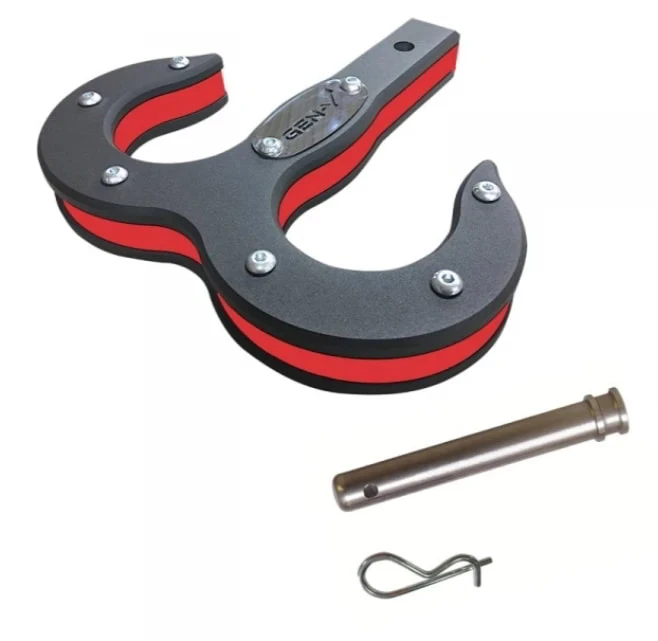
Tow hooks for trucks provide an attachment point for compatible, rated recovery equipment such as recovery straps or ropes. The correct design depends on the vehicle, mounting location, attachment method, and the other recovery gear in the setup.
Some tow hooks are receiver-mounted, while others use vehicle-specific front or rear mounting points. For receiver-mounted products, confirm the receiver opening and shank size. For bolt-on or vehicle-specific hooks, verify the intended mounting location and application against the manufacturer’s specifications before ordering.
Tow hooks are only one product path within a broader towing and recovery equipment setup. The right option depends on the truck, available mounting point, published ratings, compatible recovery gear, and intended use.
What to Check Before Buying Tow Hooks
Start with vehicle fitment and mounting design. Confirm whether the product is receiver-mounted or vehicle-specific, then verify the required receiver size or mounting location, clearance, and any product-specific hardware requirements.
For receiver-mounted hooks, common truck receiver sizes include 2-inch, 2.5-inch, and 3-inch openings, but do not assume a size based on truck class alone. Measure or verify the receiver and match it to the product’s shank and published application.
If you are still determining which receiver size applies to your truck, review our 2-inch vs. 2.5-inch receiver hitch comparison before choosing receiver-mounted recovery hardware.
Then review the manufacturer’s published rating and the ratings or requirements of the mounting point and compatible recovery gear. Towing capacity is not a substitute for a recovery-hardware rating, and one highly rated component does not increase the limits of the rest of the recovery setup.
Tow Hooks vs. Receiver Shackles and Other Recovery Hardware
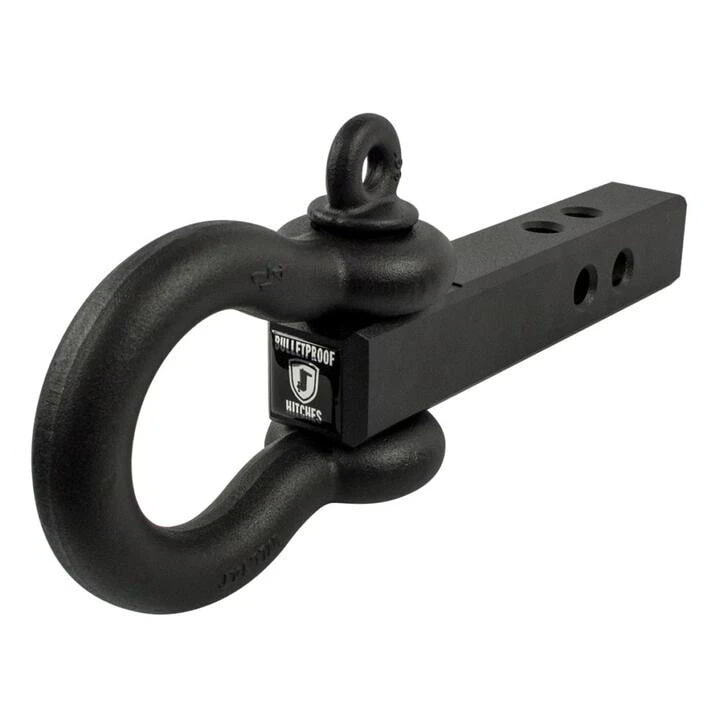
Tow hooks and receiver shackles can both provide recovery attachment points, but the designs and connection methods are different. A tow hook uses an open, hook-shaped connection, while a receiver shackle creates a closed shackle connection through a compatible hitch receiver. Neither design is automatically right for every truck or recovery setup.
An open tow hook can be a practical option when the hook design, mounting point, and compatible recovery gear fit the intended use. Because the connection remains open, pay particular attention to the hook opening, the type of recovery gear being connected, the product rating, and the manufacturer’s guidance.
A receiver shackle provides a closed receiver-mounted attachment point. If that type of connection better matches your setup, compare Blessed Performance receiver shackles by receiver size, construction, published rating, and compatible recovery gear. Receiver-mounted shackles still require the correct receiver size, hitch pin or mounting hardware, and product-specific compatibility.
A winch serves a different purpose from either a tow hook or receiver shackle. Instead of providing only an attachment point, a winch provides powered pulling capability and comes with its own mounting, rating, electrical, and compatibility requirements. If you are comparing a more complete recovery setup rather than only an attachment point, browse winches and recovery accessories as a separate product path.
Build a Compatible Recovery Hardware Shopping Path
Before ordering, confirm:
- Vehicle application and mounting location
- Receiver size or product-specific mounting requirements
- Published product rating
- Compatibility with rated straps, shackles, or other recovery gear
- Clearance, construction, and intended use
Browse Blessed Performance tow hooks for current options and product specifications. If fitment, mounting, product rating, or recovery-gear compatibility is unclear, contact Blessed Performance for help before ordering.
FAQ
What Should I Look for When Buying Tow Hooks for a Truck?
First, confirm the vehicle application and mounting method. Then verify the receiver size or mounting location, published rating, construction, clearance, and compatibility with the rated recovery gear you plan to use.
Are Truck Tow Hooks Universal?
No. Tow hooks use different mounting designs and vehicle applications. Some are receiver-mounted in specific shank sizes, while others use vehicle-specific mounting points. Confirm the current product specifications before ordering.
What Is the Difference Between a Tow Hook and a Receiver Shackle?
A tow hook uses an open hook-shaped attachment, while a receiver shackle uses a closed shackle connection in a compatible receiver. A closed connection may reduce the chance of compatible recovery gear slipping free, but both products still need to be properly matched, rated, and used according to manufacturer guidance.
How Do I Know Whether a Tow Hook Is Rated for My Recovery Setup?
Use the manufacturer’s published rating for the intended recovery application and verify the ratings and requirements of the mounting point and other recovery components. Do not assume the truck’s towing capacity determines the appropriate rating for recovery hardware.
When Should I Consider a Receiver Shackle or Winch Accessory Instead of a Tow Hook?
A receiver shackle may be worth comparing when you want a closed receiver-mounted attachment point. A winch is a different recovery-equipment category that provides powered pulling capability. Choose among them based on the truck, mounting options, rated gear, and intended recovery use.