What Is a Sway-Control Hitch, and When Should You Use One?
Estimated 0 min read
If you regularly tow a trailer, you may have noticed sway, or lateral side-to-side movement of the trailer, under certain road, wind, or loading conditions.
The amount of sway you’re forced to deal with will vary based on trailer size, how fast you’re traveling, road conditions, wind, and how the cargo is loaded. A trailer hitch with sway control can help limit this lateral movement and make for a smoother driving experience. What is a sway-control hitch, and what does it do?
A sway-control hitch (also known as a sway-control system) is designed to manage unwanted side-to-side trailer movement. A tow hitch sway control isn’t a substitute for a proper towing setup or safe driving practices, and the system doesn’t eliminate sway completely. However, it can be a helpful means of controlling movement while hauling.
What a Sway-Control Hitch Does
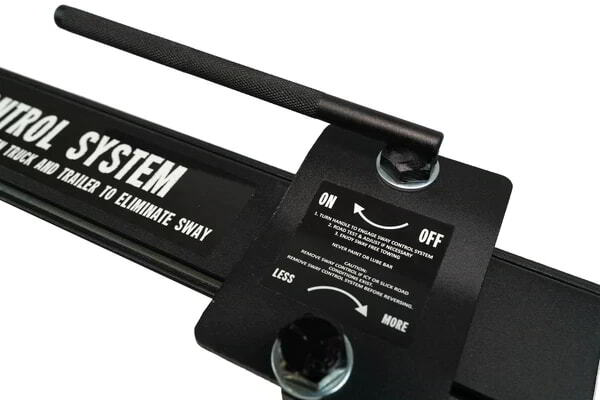
So what is a sway-control hitch, exactly? And, just as importantly, how does it work?
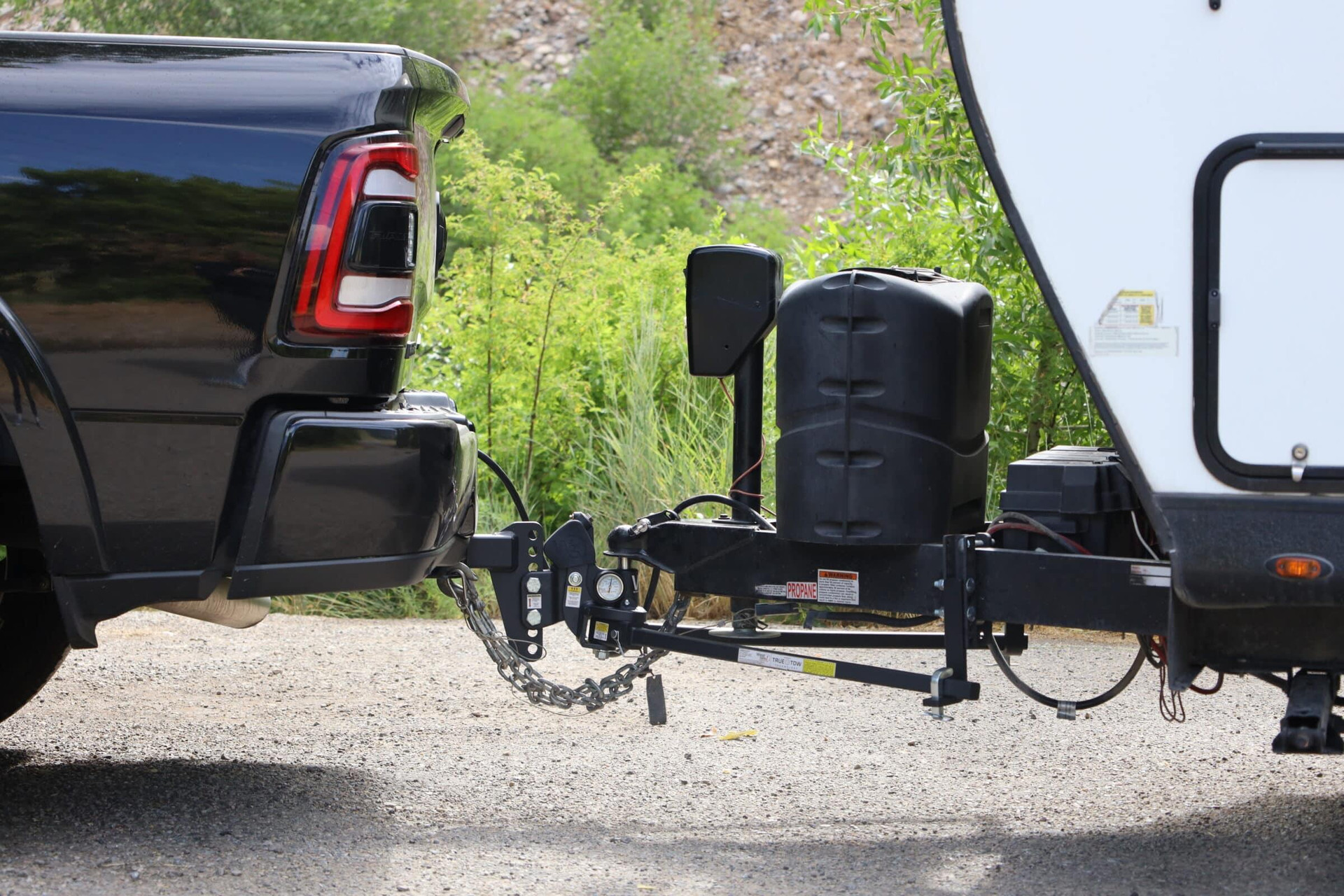
A sway-control system goes between your vehicle and the trailer to help resist or manage lateral trailer movement. When the trailer starts to drift relative to the tow vehicle, the system provides additional resistance that helps reduce the movement.
Uncontrolled trailer sway can destabilize your vehicle while driving. Several factors can make sway worse, including:
- Your driving habits
- Trailer design
- Load placement
- Trailer and cargo weight
- Tongue weight
- Road conditions
- Crosswinds
Weight distribution, tongue weight, load placement, and the tow vehicle and trailer ratings all affect how a trailer behaves. Follow the vehicle, trailer, and equipment manufacturers’ loading and tongue-weight guidance rather than relying on sway control to correct an improperly loaded setup.
A tow hitch sway-control system focuses specifically on side-to-side movement. There are a few different types of systems, some of which rely on rigid sway bars and others that apply mechanical friction to cut down on lateral motion.
Sway control can be a useful addition to a compatible towing setup, but it does not eliminate trailer sway or guarantee stability. Safe towing practices and the vehicle, trailer, and equipment manufacturers’ requirements still apply.
When to Consider Sway Control
There is no single trailer-weight threshold that determines when every driver needs sway control. Start with the tow-vehicle, trailer, hitch, and sway-control manufacturer recommendations, then consider how the trailer behaves in the conditions where you normally tow.
Sway-control products may be worth evaluating when the trailer is especially affected by crosswinds or passing traffic, when it has a large side profile, or when the manufacturer recommends sway-control equipment for the setup. Compatibility still has to be confirmed for the hitch, trailer, and complete towing system.
Sway Control vs. Weight Distribution and a Standard Hitch Setup
A standard hitch simply connects the trailer to your vehicle. That point of connection allows you to haul the trailer, but it doesn’t provide meaningful resistance against side-to-side movement.
When assessing your tow setup, two important points you’ll need to consider are sway control and weight distribution. Both characteristics impact the stability of your vehicle and trailer, but they refer to different things.
A weight-distribution hitch is designed to redistribute a portion of tongue weight through the towing system to help manage how the load is carried across the tow vehicle and trailer. That is a different function from sway control, even though some systems combine weight-distribution and sway-control features.
Sway control doesn’t address weight distribution but instead provides mechanical resistance against side-to-side trailer movement. Keeping your trailer from drifting side-to-side is vital for safety and control, as well as comfort while driving.
How to Compare Sway-Control Options
Once you start comparing sway-control products, focus first on compatibility. Confirm that the system is designed for your hitch and trailer configuration and that the manufacturer’s published application limits, required components, and mounting requirements match your setup. A sway-control component does not increase the ratings of the truck, receiver, hitch, trailer, or other towing components.
If you are comparing other hitch or trailer components at the same time, browse Blessed Performance towing products separately for the rest of the setup.
Next, look at product ratings. Manufacturers typically provide specifications that explain which towing use cases their products are best suited for. Don’t select a product based solely on how it looks or its price.
You should also pay attention to the mounting requirements. Some sway-control systems work with specific hitch configurations or require particular components. Check to see what the product includes and what you have in your current setup before ordering.
Receiver size can also affect which hitch-mounted components fit your truck. If you are still confirming your receiver setup, review our 2-inch vs. 2.5-inch receiver hitch comparison before ordering compatible towing equipment.
Choose Sway Control for Your Specific Setup
Choose sway-control equipment for the specific tow vehicle, hitch, and trailer combination rather than treating it as a universal fix for trailer movement. A compatible system may help manage unwanted lateral movement, but it does not replace proper loading, equipment condition, manufacturer guidance, or safe towing practices.
Browse Blessed Performance sway-control products for current product types and specifications.
If product compatibility, required components, or the correct towing setup is unclear, contact Blessed Performance for help before ordering.
FAQ
What Does a Sway-Control Hitch Do?
A sway-control hitch provides resistance to unwanted side-to-side trailer movement. It functions as part of a compatible towing setup, but it doesn’t eliminate sway or correct an unsafe towing configuration.
Is Sway Control the Same as Weight Distribution?
No. Sway control addresses lateral trailer movement, while weight distribution helps manage how the trailer tongue weight affects the vehicle and trailer. Some products can serve both functions, but the terms refer to different principles.
When Should I Consider Sway Control for a Trailer?
Sway control may be worth evaluating when your trailer is especially affected by crosswinds or passing traffic, has a large side profile, or when the vehicle, trailer, or hitch manufacturer recommends it. Confirm that any sway-control product is compatible with the specific towing setup before ordering.
Can Sway Control Be Added to Any Trailer and Hitch Setup?
No. You need to verify that the sway-control system is compatible with your trailer and hitch. Always check the manufacturer’s specifications before purchasing a given component.
How Do I Choose Compatible Sway-Control Components for My Towing Setup?
Start with the manufacturer’s compatibility guidance for your tow vehicle, trailer, hitch configuration, and the sway-control product you are considering. Compare the published application limits, mounting requirements, and required components, and contact Blessed Performance if you need help narrowing down compatible options.