Wheel and Tire Packages vs. Buying Separately for Your Truck
Estimated 0 min read
New wheels and tires can change a truck’s appearance, ride, clearance, towing behavior, and off-road capability, but the result depends on choosing components that fit the truck and how it is used. Buyers can either purchase a coordinated wheel and tire package or select each component separately.
A package can reduce the number of fitment and purchasing decisions when the seller has verified the combination. Buying separately gives you more control over brand, sizing, design, budget, and timing. Neither route is automatically cheaper or better for every truck.
When a Wheel and Tire Package Makes Sense
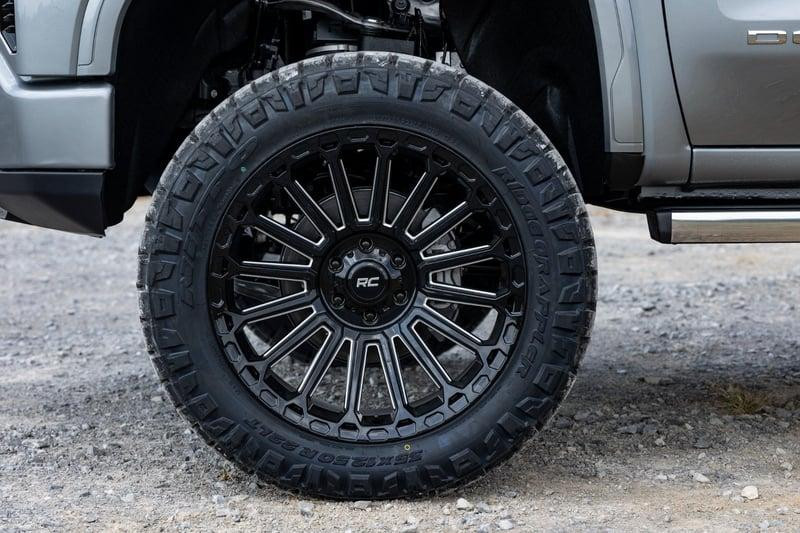
A coordinated package can simplify the process when the seller has verified the wheel width, tire size, load rating, and other fitment details for the truck. It can also reduce the number of separate orders and make it easier to compare the total cost.
Do not assume every package is pre-verified, mounted, balanced, or ready to install. You still need to confirm bolt pattern, offset, backspacing, brake and suspension clearance, tire specifications, load ratings, TPMS requirements, and compatibility with your truck.
The perks of ordering a wheel and tire package include:
- Fewer separate purchasing decisions
- Components can be coordinated before ordering
- Package pricing may make total-cost comparison easier
- Mounting, balancing, sensors, and hardware may be available depending on the seller
Even if you are leaning toward wheel and tire packages vs. buying separately, it’s important to remember that not all packages are the same.
Some bundles include extras like mounted assemblies, balancing, and TPMS components. Others only include wheels and tires. Shipping methods, turnaround times, and shipping costs also vary between retailers.
Before comparing prices, make sure to account for the following add-ons:
- Mounting
- Balancing
- TPMS sensors and valve stems
- Lug nuts or hardware
- Center caps
- Shipping
- Installation services
A few surprise upcharges can erase the savings you thought you were getting by ordering a complete wheel and tire package. Looking beyond the advertised price gives you a more realistic look into what it will cost you to drive out of the shop with your new tires and wheels.
When Buying Wheels and Tires Separately Makes Sense
Buying separately can be a good choice if you want maximum flexibility. You can mix brands, choose specific tire models, and compare multiple wheel styles. You can also upgrade one component before replacing the other, which can spread out the costs and lighten the load on your wallet.
That flexibility helps when you're building a truck for a specific purpose or chasing a certain look.
Here are a few scenarios when buying wheels and tires separately may be the better choice:
- Your tires have plenty of tread left, and you want to break up your costs
- You want to match a specific wheel design with your preferred tire brand
- Separate promotions or availability may lower the total cost
- You’re building a highly customized pickup
If you are going this route, carefully verify that every component works together before ordering. Check things like wheel offset, tire specs, brake clearance, and overall fitment. That way, you can avoid any installation headaches or last-minute surprises once your tires arrive.
When comparing wheel and tire packages vs. buying separately, make sure to account for every expense. The individual pricing of wheels and tires may look appealing until you add mounting, balancing, and shipping into the equation.
Fitment and Use-Case Checklist Before Buying
Getting the fitment right before ordering matters because wheel and tire returns can be expensive and time-consuming. Return policies, freight charges, and restocking terms vary, so review them before placing the order. Confirm the following:
- Bolt pattern
- Wheel offset
- Backspacing
- Tire size
- Wheel load rating
- Suspension and clearance
- TPMS compatibility
- Towing and hauling
- Dually wheels
If you are unsure about any of these variables, contact the seller to verify.
Which Option Is Right for You?
Choose a package when you value fewer purchasing decisions and the seller has clearly documented compatibility, contents, and total cost. Buy separately when you need a specific brand, size, design, or phased upgrade and are prepared to verify every fitment detail.
Compare the full installed cost either way, including mounting, balancing, TPMS components, hardware, shipping, and installation.
Shop With Confidence
Before ordering, verify the wheel, tire, and package specifications against your truck’s year, make, model, trim, suspension, brake clearance, and intended use. Browse Blessed Performance wheels and tires by available product group, and review each listing for exact fitment, available options, and included components.
For dually applications, compare DDC dually wheels and confirm rear-tire spacing, load requirements, and the correct inner and outer wheel configuration. Contact Blessed Performance when fitment, offset, load rating, tire size, or included services are unclear.
FAQs
Are Wheel and Tire Packages Usually Less Expensive Than Buying Separately?
Not always. You may be able to find competitive pricing by going with a wheel and tire package. However, if you shop for wheels and tires separately, you may be able to take advantage of current promotions that aren’t available as part of a bundle.
Do Wheel and Tire Packages Come Mounted and Balanced?
Some do, while others don’t. Never assume that the seller includes anything not specifically listed on the product page.
How Do I Confirm Wheel Offset, Tire Size, and Clearance for My Truck?
Start with your truck’s year, make, model, and trim level. If you’ve made any modifications, such as a lift or leveling kit, account for those changes as well. Then, verify wheel and tire specifications against your vehicle’s clearance before purchasing.
Will Factory TPMS Sensors Work With Aftermarket Wheels and Tires?
Sometimes. Compatibility depends on the truck’s sensor type, frequency, wheel design, and the components included with the package. Verify whether the factory sensors can be transferred or whether new compatible TPMS sensors and valve stems are required.
What Is Different About Choosing Wheels and Tires for a Dually Truck?
Dually fitment requires confirming the correct front, rear outer, and rear inner wheel configuration, rear-tire spacing, bolt pattern, offset, and load rating. Larger or wider tires may require additional clearance checks, so verify the complete setup before ordering.
For more application-specific guidance, review our dually truck wheels and wheel packages guide before comparing options.